From Mongolia to Anatolia to Europe—why have wise women always been feared? What is it about women who know, who heal, who speak to plants and spirits, that has sparked centuries of suspicion, demonization, and violence? This is the story of how women were systematically exorcised from their sacred role as healers. How witches and midwives became enemies of the state, and how patriarchal medicine made sure to put a price tag on every herb and every birth.
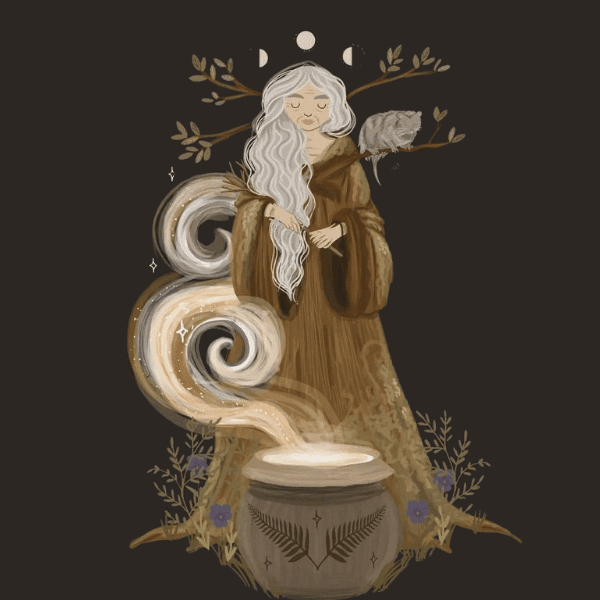
Let’s begin with a truth the Mongols never forgot:
All women are witches. Some are simply more witch than others.
The East: Where Shamans Were Born of Eagles
In Mongolian culture, every woman is born with an innate connection to nature and the supernatural. This isn’t just poetic—it’s cultural wisdom. Women, they believe, feel things that men cannot. The strongest shamans? Always women.
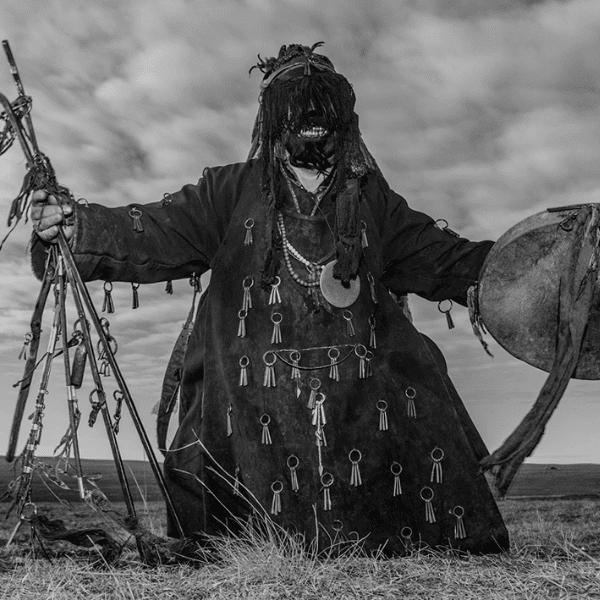
Across the mythologies of Asia, women aren’t just present—they’re central. Legends speak of sky maidens impregnated by eagle spirits who then birth the first shamans. This isn’t symbolic—it’s foundational. Shamanism in the East is, at its root, a woman-centered spiritual system. While men may have held worldly power, spiritual power remained female.
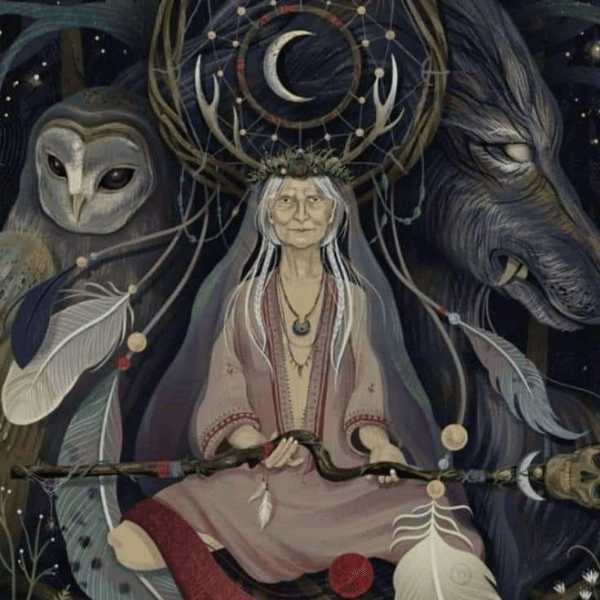
And in many Eastern societies, men actually listened to their wives because they knew—they knew women were closer to the unseen. In this worldview, the idea of witches and healers wasn’t contradictory. It was obvious.
The West: Where Witches Had to Burn
Now let’s pan west. In Europe, the witch became a symbol of disorder—political, moral, spiritual. A woman who healed without permission was a threat. A woman who didn’t obey was dangerous. And so the Church burned her. And the State watched.
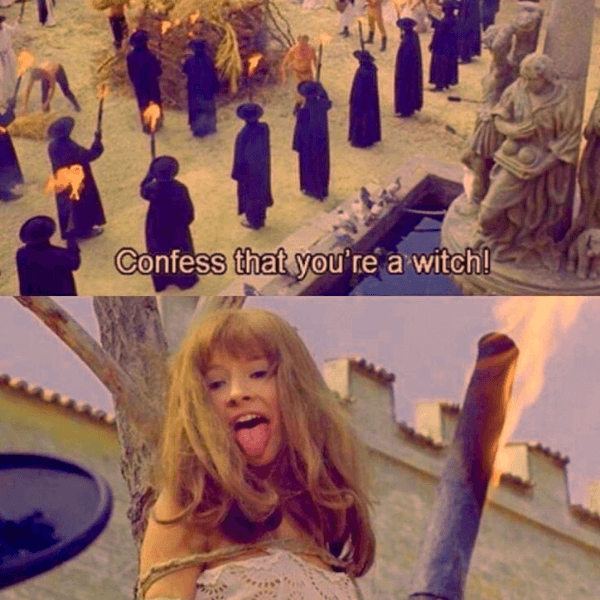
Even “good witches”—herbalists, midwives, local healers—were seen as subversive. Because healing without a license was more terrifying than illness. The Church began erasing both “white” and “black” magic under one category: heresy.
Enter the great witch hunts.
And yet, in all these fires and trials, one thing remained true: Almost no men were burned. Because the real crime wasn’t sorcery. It was womanhood.
Women Who Knew Too Much
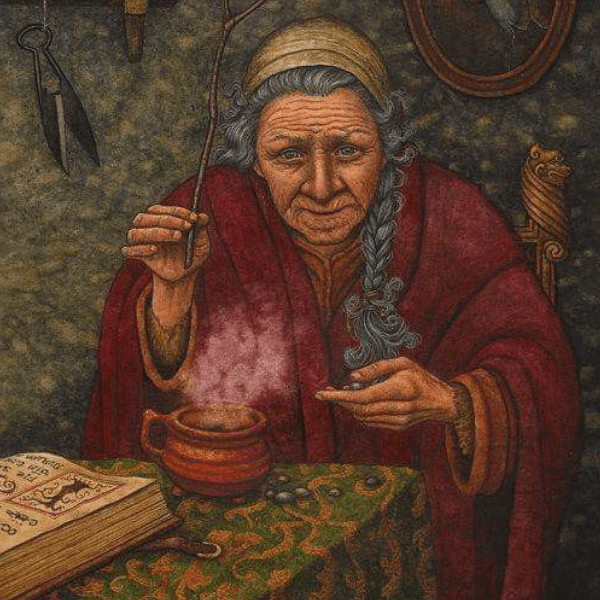
Across Anatolia and the Balkans, there has always been a name for her.
The old woman who knew too much. The one who helped bring life into the world, who brewed healing teas and reset broken bones and who whispered charms and treated fevers when no doctor was in sight.
In Turkey, she’s called the kocakarı—from koca (aged) and karı (woman)—a term that literally means “old woman,” but traditionally refers to a local midwife-healer, deeply rooted in folk wisdom.

In rural Albania, she might be known as plaka e urtë (the wise elder). In parts of Greece, similar roles were filled by magisses (folk witches) or maïes (traditional midwives). In Slavic cultures, she appears as the baba—a term of both endearment and mystical power (yes, think Baba Yaga, but without the man-eating house). In Bosnia and the Western Balkans, these women were called travarka or vidarica—the herb-woman, the seer, the village witch.
These women were never licensed by a state or trained in a university. Their knowledge was ancestral, intuitive, experiential. Passed from hand to hand. From mother to daughter. From dream to practice.
And in the West, that was precisely what made them dangerous.
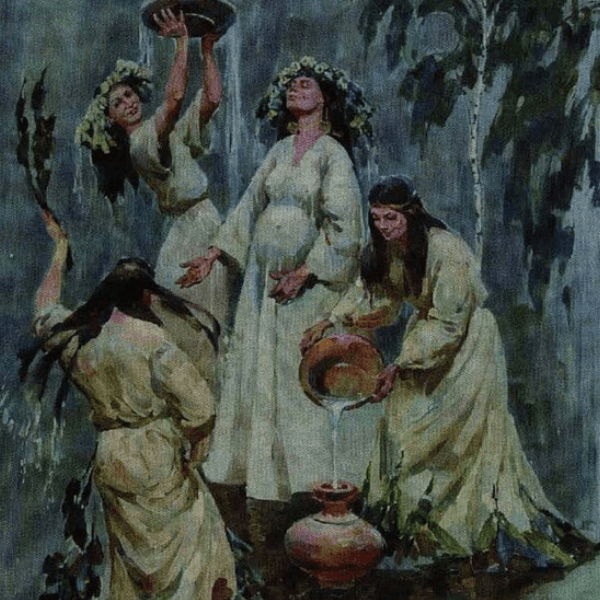
Witches and Medicine: When Healing Became a Man’s Job
Fast-forward to the 19th century. Medicine was becoming a “profession.” And guess who wasn’t invited?
Women had no access to universities—East or West. As medical schools rose in power, the ancient knowledge held by women was increasingly dismissed as superstition. Healing became institutionalized. Professionalized. Monetized.
Barbara Ehrenreich, in her iconic book Witches, Midwives, and Nurses, poses a searing question: “Was the myth of female weakness constructed right before women were kicked out of medicine?”
Her answer? Yes.
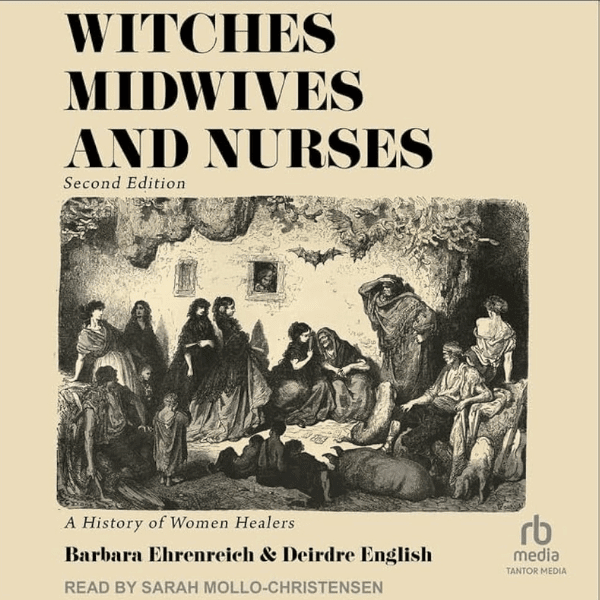
The more scientific medicine became, the more women were pushed out. And the more women were pushed out, the more “witch” became synonymous with uncredentialed healing.
The result? Midwives accused of witchcraft.
Witches accused of abortion.
Herbalists accused of homicide.
And entire generations of women—witches and healers—left out of the history of medicine.
Misogyny in a White Coat
This wasn’t just a loss of livelihood. It was a loss of knowledge. And in many cases—of lives.
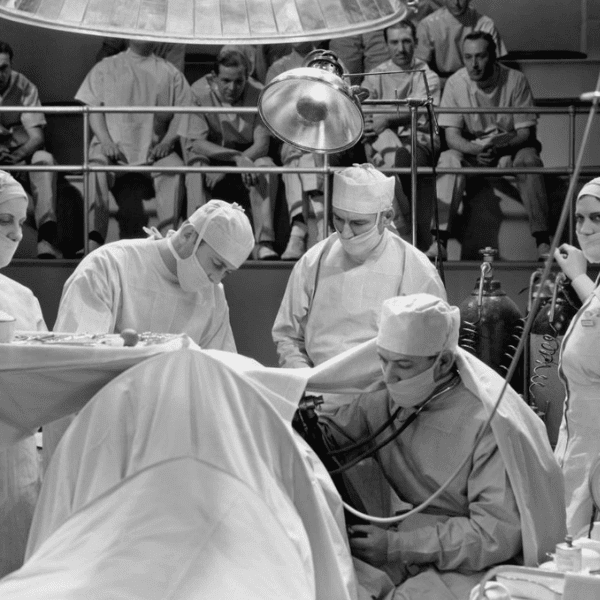
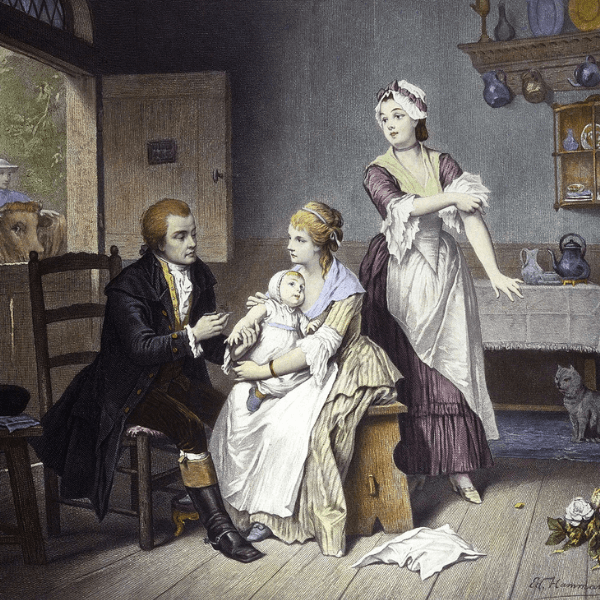
Male doctors didn’t just ignore women’s knowledge. They rewrote the manual on the female body.
Here are a few golden hits from Western medicine’s early days:
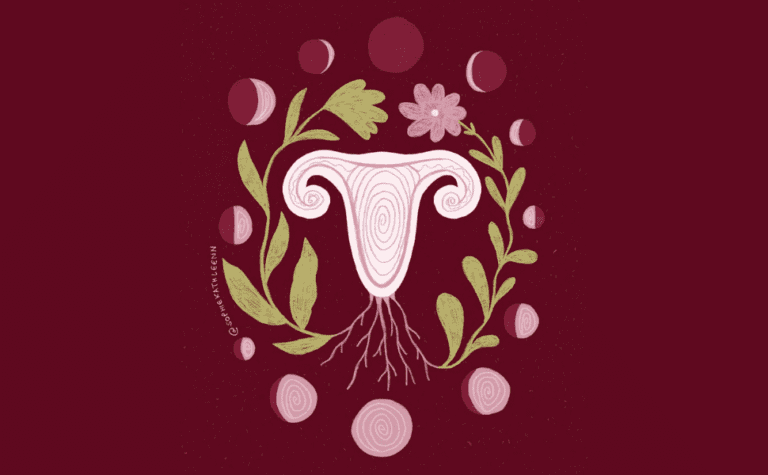
- “Hysteria” was believed to be caused by a wandering uterus
- Women were forced to give birth lying down—not because it helped them, but because it made things easier for the male doctor
- Herbs that helped regulate menstruation or induce abortion were rebranded as “black magic”
- Women who provided reproductive help were labeled witches—again
And here’s the kicker:
Even male midwives (a bizarre historical trend) had higher infant mortality rates.
But they were still seen as “more professional” than the women who’d been doing it for centuries.
So Who Were the Witches?
Not spellcasters. Not broomstick flyers. The witches were the women who knew things.
They were midwives, herbalists, wise women, doulas, bone-setters, and grief holders. They were hunted not because of potions, but because of knowledge. Not because they were witches, but because they were women who didn’t ask permission.
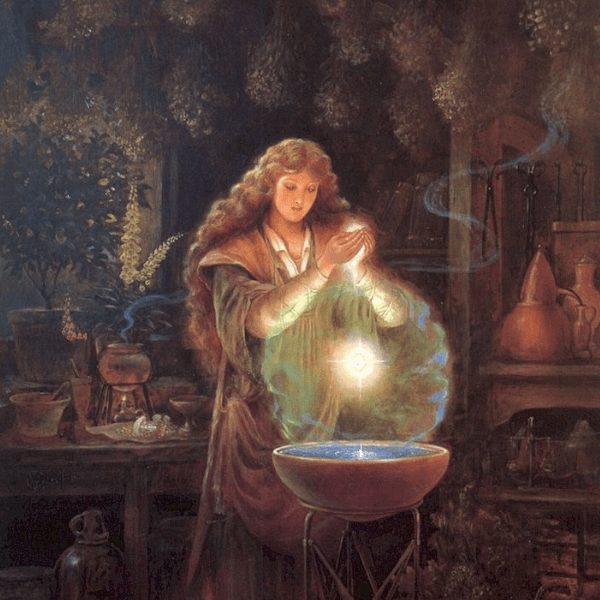
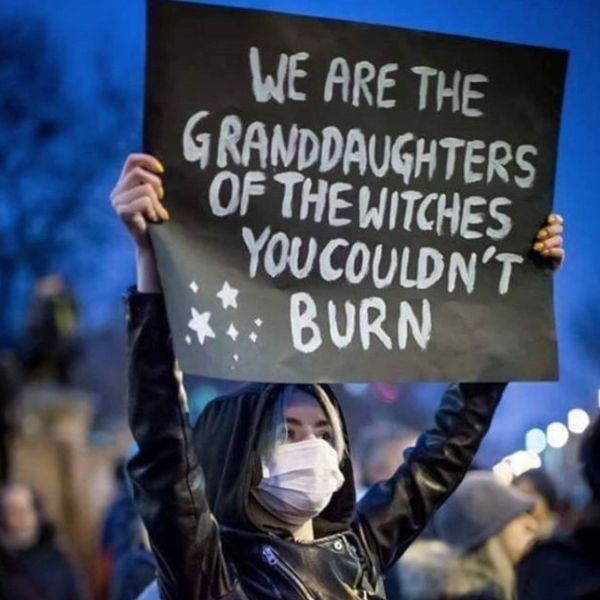
And now that academia has caught up with that fact, the witch is being reclaimed. We are, as the slogan goes, the granddaughters of the witches you couldn’t burn.
Medicine Wasn’t Always a Man’s World
Before male doctors wore white coats, women wore centuries of wisdom.
Before pharmaceutical companies patented remedies, women harvested herbs.
Before birth became a sterile, clinical procedure, it was a ritual—held by women, for women.
And perhaps, in remembering that, we can begin to heal something far older than just the body.