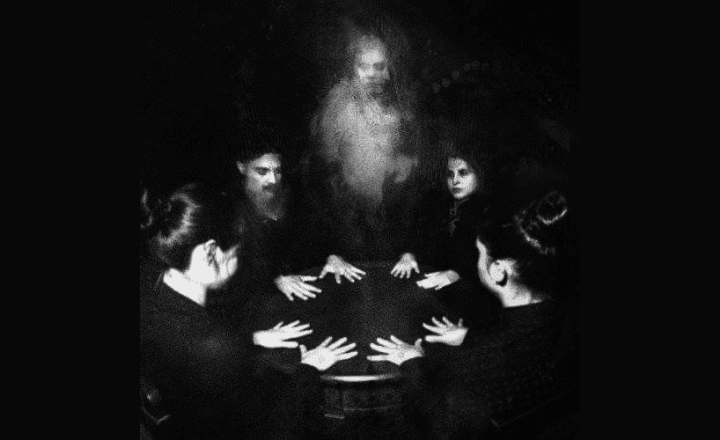
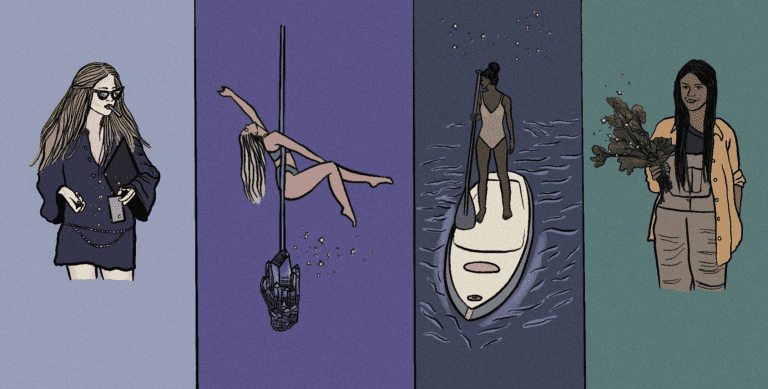
The figure of the “mad woman” was a strikingly popular motif in 19th-century literature and art. In literature, the most iconic figures of madness are almost always women.
From Ophelia’s quiet unraveling to Bertha Mason’s locked-away rage, from Miss Havisham’s suspended grief to Lady Audley’s calculated descent—fiction has long returned to the same image: madwomen myth.
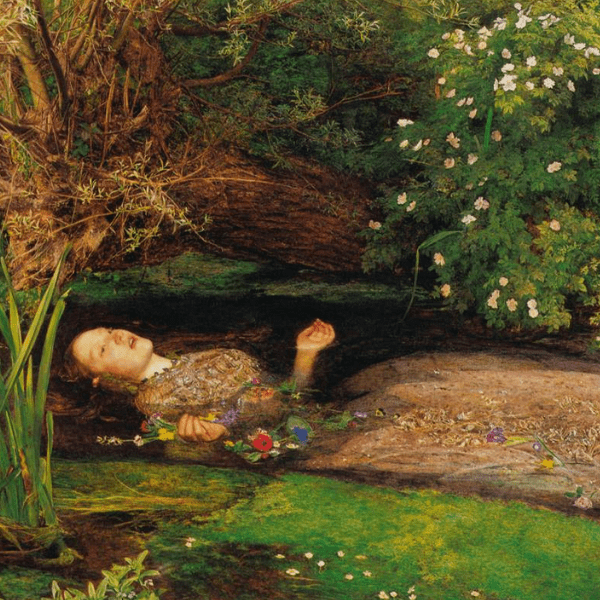
When a woman’s emotions exceed what society can contain, the story often resolves the tension by calling her insane. Sometimes she is driven mad to preserve order. Other times, she is labeled mad precisely because she exposes it.
The Fear of the Female Body
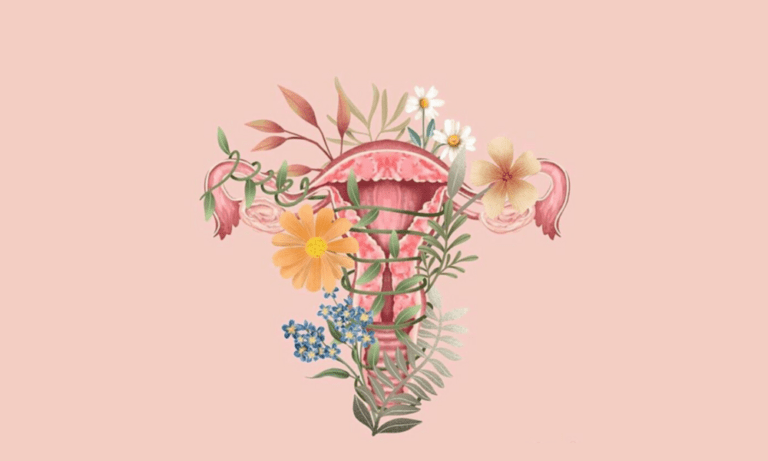
Throughout history, women’s “mental health” has rarely been treated as a mind-centered issue. Instead, it has been explained through the body—through hormones, cycles, and, above all, reproductive capacity. Menstruation, pregnancy, childbirth, postpartum, menopause. At every stage, the female mind was assumed to be fragile, unstable, and prone to losing control.
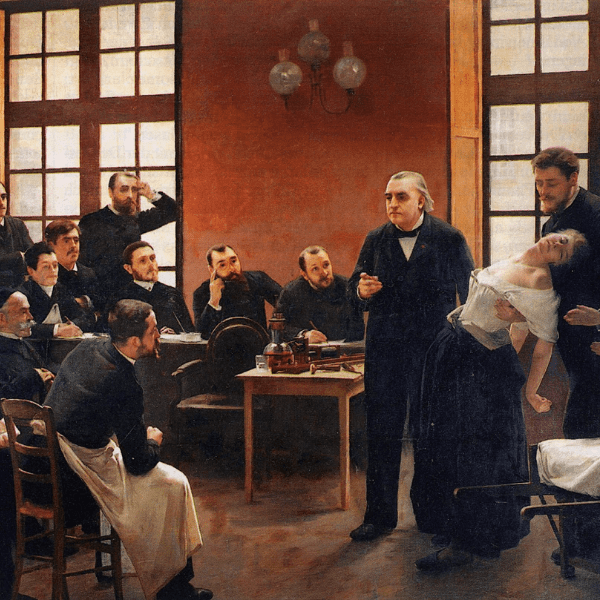
The female body—and what was labeled “feminine energy”—appeared frightening to the male mind precisely because it resisted understanding. Meanwhile, that same male mind declared itself stable, rational, and reliable. Women’s minds, by contrast, were described as fluctuating and breakable. With the rise of modern psychiatry, this worldview adopted a scientific vocabulary. In 19th-century England especially, severe depression and psychotic symptoms following childbirth were categorized under a single diagnosis: puerperal insanity—“madness of the mother.”
The Madwoman Myth: Tailored for Her
Blaming women’s biology has always been easier than examining the social conditions that produce suffering.
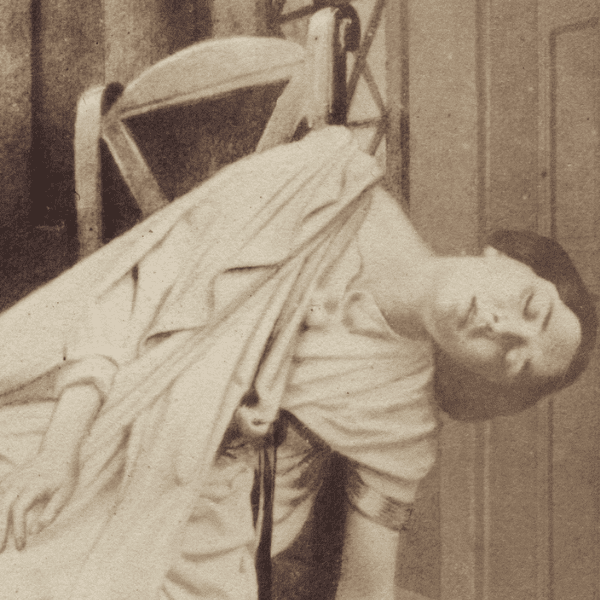
Perhaps the real issue was never postpartum depression as we define it today. Perhaps it was the myth of motherhood itself—an ideal drawn and enforced by patriarchy. An experience shaped by invisibility, by not being heard, by a deepening loneliness, and by an identity gradually erased under the single, suffocating label of “mother.”
Motherhood vs. Mothering
In her seminal work Of Woman Born: Motherhood as Experience and Institution, Adrienne Rich draws a vital distinction between motherhood and mothering.
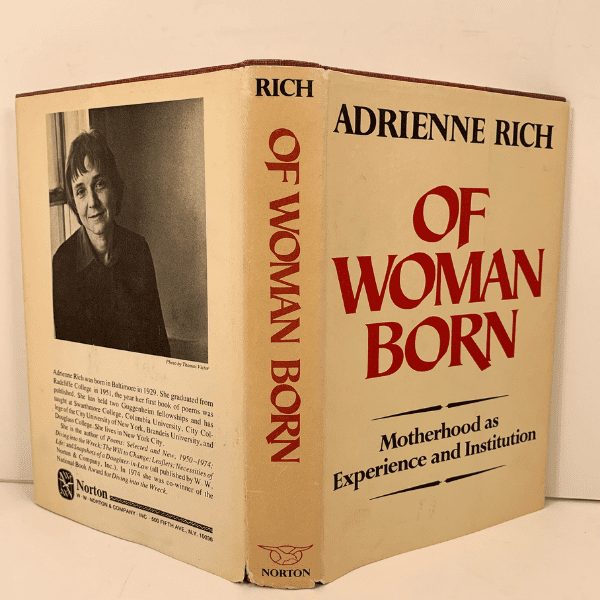
Motherhood, she argues, is an institution—defined, controlled, and enforced by men, used as a tool to discipline and regulate women. Mothering, on the other hand, is a lived practice—defined by women themselves, grounded in individual experience, and therefore potentially empowering.
Society, however, presents motherhood as an absolute good. Not just positive, but sacred. Marketed, idealized, and stripped of contradiction. When a woman experiences ambivalence after becoming a mother—when she does not float through her days in a haze of bliss—she learns to blame herself.
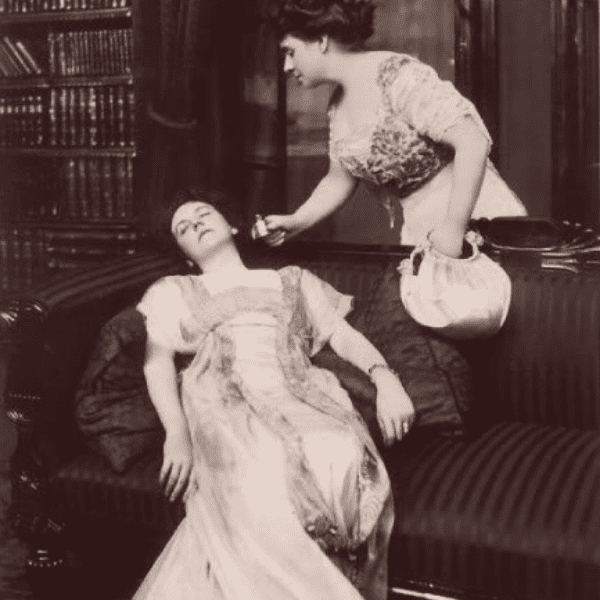
The moment her reality fails to align with the prescribed definition, guilt follows. Fear of being labeled a “bad mother” silences emotions that desperately need language: depression, anger, grief, loss of self.
Mothers Without Shadows
For decades, literature and art mirrored this silence. Mothers were either saintly figures or cruel stepmothers. There was no middle ground. No room for complexity. No space for darkness.
Even today, between baby showers, gender reveal parties, and pastel-colored social media narratives, there remains little space for the shadowed realities of motherhood. Celebration persists; truth hesitates.
Die My Love: A Curse on Your Bloodline
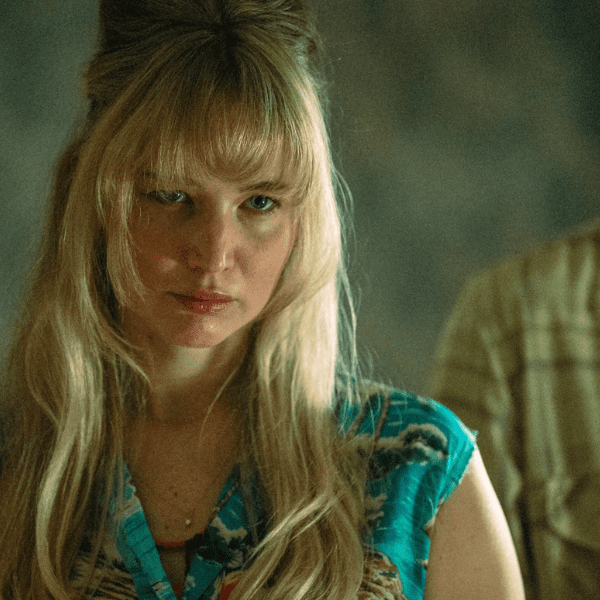
Adapted from Ariana Harwicz’s 2012 novel, Die My Love brings together Jennifer Lawrence and Robert Pattinson in a psychological drama that relentlessly tests emotional limits. The film reads like a modern incarnation of the madwoman myth, pulling the viewer in intuitively while refusing to soften the unseen violence of the postpartum female experience.
The story follows a couple who leave New York City for the isolation of rural Montana. After becoming a mother, Grace begins to unravel. Living in an old house, far from people, distance, and familiarity, her sense of reality slowly fractures. As imagination and perception blur, what unfolds is not a sudden break, but a gradual descent—one shaped by loneliness, confinement, and unspoken pressure.
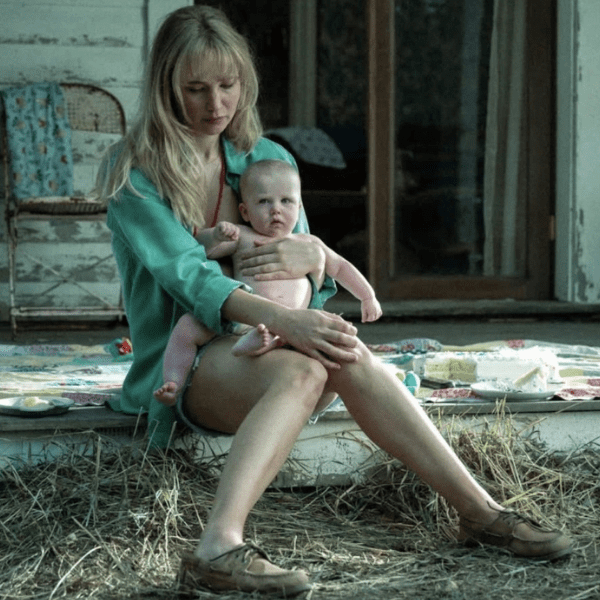
Grace’s struggle against the myth of motherhood is not new. It is as old as history itself. What the film dares to do is make visible a form of violence that often goes unnamed: the psychological erosion of women whose inner lives no longer fit the roles imposed on them.
Is Madness a Form of Clarity?
Perhaps in a world like this, madness carries its own internal logic. Perhaps what Grace experiences is not a break from reality, but an overexposure to it—raw, unfiltered, and unbearably naked.
Maybe losing one’s grip is not always a failure of reason. Sometimes, it is the cost of seeing too clearly.
Beyond the Roles
The madwoman myth does not end with motherhood. Society defines what it means to be a good daughter, partner, or friend, and guilt follows when we fail to fit the mold. But ideals are not reality. Listening to your own emotional truth matters more than performing a role. Awareness, not perfection, is where real freedom begins.