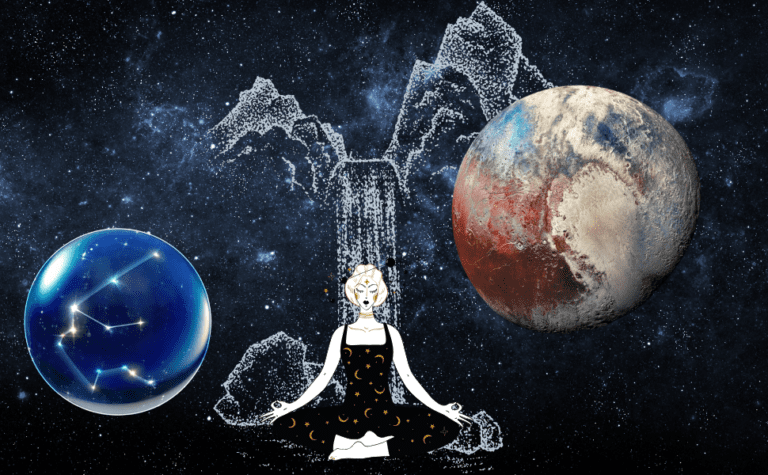
Eclipses have always unsettled humanity. Ancient civilizations paused wars for them. Kings feared, shamans read them. And astrologers still circle their dates in red. But before we talk about eclipses, we need to understand the stage they perform on.
Planets as Psychological Archetypes
In astrology, each planet represents a part of our inner architecture — aspects of our psyche that we carry and, to some degree, can consciously work with:
- The Sun symbolizes identity and life force.
- The Moon reflects our emotional body and instinctual patterns.
- Mercury governs communication and perception.
- Venus relates to love, attraction, and values.
- Mars expresses drive and action.
- Jupiter expands belief and opportunity.
- Saturn is often called the teacher — structure, responsibility, boundaries, karma.
- Uranus disrupts.
- Neptune dissolves.
- Pluto transforms.
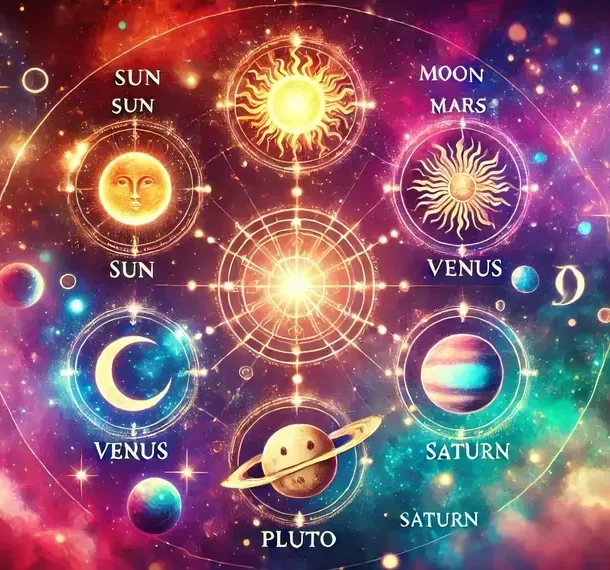
These planetary energies live within us. They describe psychological tendencies we can refine, mature, or consciously redirect over time.
But eclipses operate differently.
The Lunar Nodes: The Axis of Fate
Eclipses are not ruled by a planet. They are tied to the Lunar Nodes — the North Node and the South Node.
Astronomically, the Lunar Nodes are not physical bodies. They are the points where the Moon’s orbit intersects the ecliptic (the Sun’s apparent path across the sky). Invisible, mathematical points. However, astrologically, they carry enormous symbolic weight.
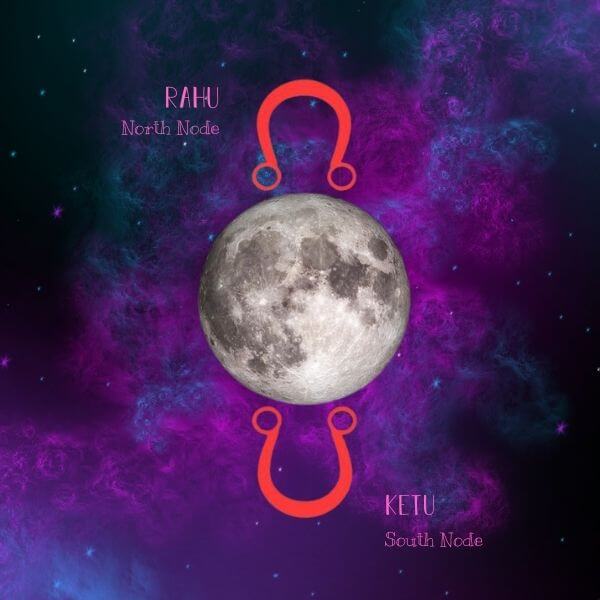
Because they are not planets — and because no single individual “owns” them — their influence often feels less personal and more collective. Less controlled. More fated.
Eclipses activate this axis. And when that axis is activated, life tends to accelerate.
Why Eclipses Feel So Intense
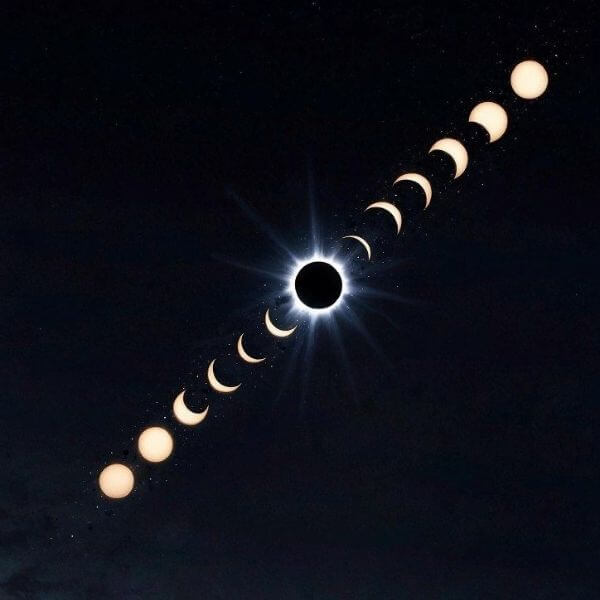
Eclipses occur approximately every six months. During these periods, the Sun, Moon, and Lunar Nodes align closely enough to create either a solar or lunar eclipse.
Unlike regular New Moons and Full Moons, eclipses are intensified lunations. You can think of them as concentrated New Moons and amplified Full Moons.
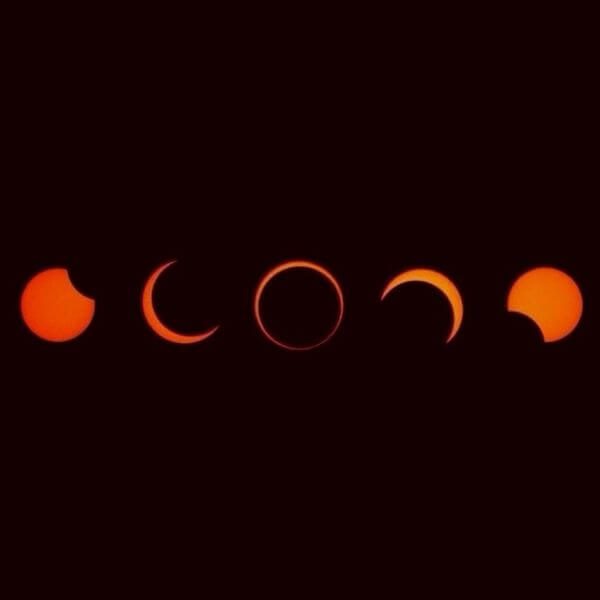
People who participate in moon circles, ritual work, or simply track lunar cycles often report that emotions run higher, insights come faster, and external events feel more catalytic during eclipse periods.
That’s because eclipses don’t gently suggest change. They trigger it and shake life where it has grown rigid. They reveal what was hidden and move timelines forward. And the zodiac signs involved matter deeply.
The Eclipse Axis: Why Themes Repeat
Eclipses occur in opposing sign pairs for roughly two to three years before shifting to a new axis. This means themes repeat, evolve, and deepen over time. The house placement of an eclipse in your natal chart shows where you are likely to feel the shift most strongly.
If you want to see this in your own chart, calculate your birth chart online and look at which house the eclipse degree falls into. The house represents the life area being activated — relationships, career, home, identity, finances, and so on.
What Does Eclipse Symbolism Mean in Astrology?
Symbolically, eclipses represent interruption of light — a temporary shadow passing over consciousness.
In astrology, this translates to moments when ordinary perception is disrupted. Something previously stable may feel uncertain. Something hidden may surface.
Eclipses are often associated with destiny, redirection, karmic turning points, and timeline shifts. Because they are linked to the Lunar Nodes — the axis of evolution — they tend to push us toward growth we may not have chosen voluntarily.
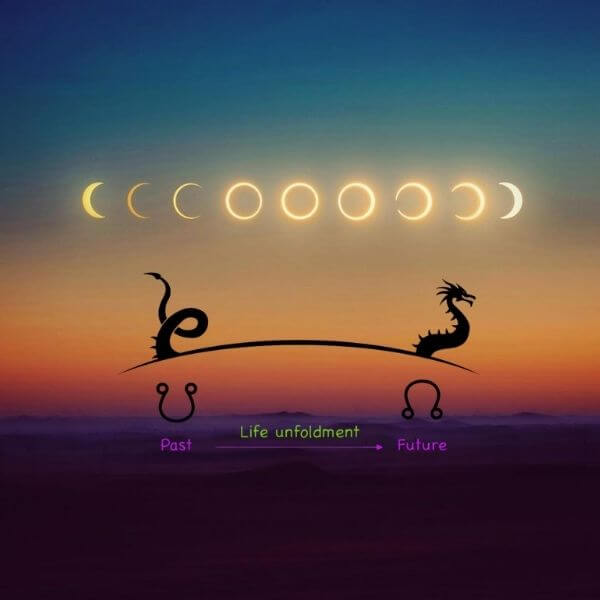
They are not inherently “good” or “bad,” just catalytic. They expose imbalance between where we have been (South Node) and where we are being asked to go (North Node). In essence, eclipses are course corrections.
What Should You Do During an Eclipse?
In astrology, manifestation during an eclipse is generally not recommended. Eclipse energy can be unstable, chaotic, and intense. Trying to consciously manifest in such a charged atmosphere may amplify more chaos rather than clarity.
Instead of starting something new or pushing your desires outward, focus on understanding what the eclipse is trying to teach you. Listen to the lesson the sky is offering and move through it consciously.
To do this, look at the sign of the eclipse and where it falls in your natal chart. This will help you identify what may need to be removed, released, or transformed in your life.
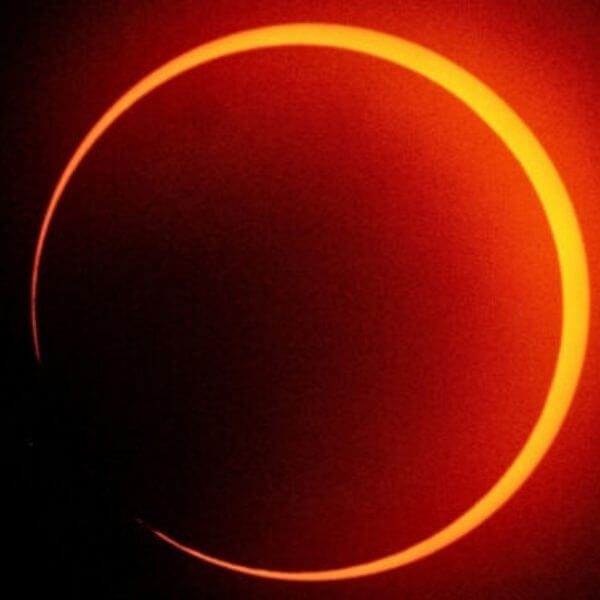
On February 17, 2026, the annual eclipse will occur in Aquarius, a.k.a the Ring of Fire eclipse. Beyond its personal message in your chart, it also carries a collective teaching for all of us.
To explore what this Aquarian eclipse means, you can read our full article here.