Black Moon Lilith is not a moon or a planet. It is a calculated point: the farthest place in the Moon’s path around Earth, written into the zodiac. The sign sketches at the end belong to astrological tradition, not to physics.

The name has been asked to cover more than one thing. There is a real asteroid called Lilith, named not for the folkloric figure but for the composer Lili Boulanger. There is the calendar’s “Black Moon,” a second new moon in a month, or a month without one — a nickname, not this natal point. And there is Waldemath’s dark moon, a second companion of Earth that was proposed, recorded, and never confirmed. The irony almost does the introducing: of all the figures to assign to a point that is not a body, and to a moon that declined to appear, astrology chose the one famous for refusing to stay where she was put.
Why This Point Inherited a Name
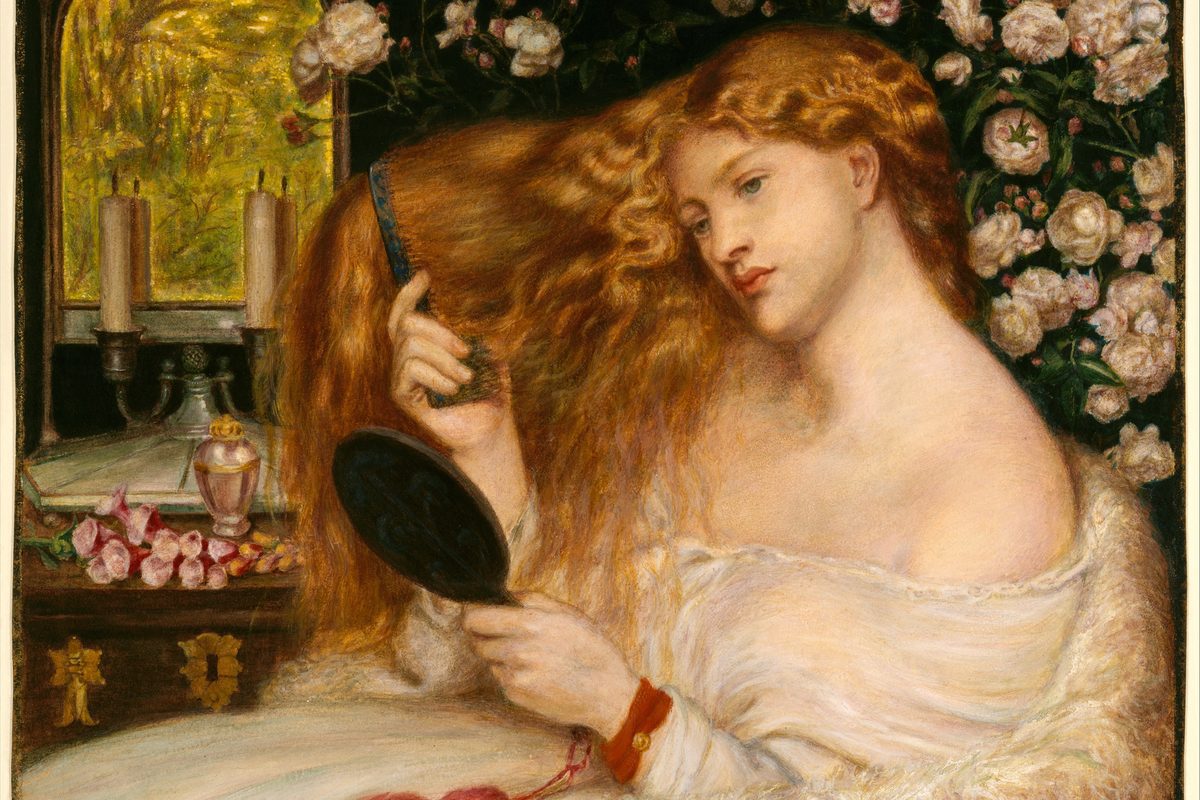
The astronomy does not require the name Lilith. Astrology reached for a figure already charged with exile, appetite, and refusal.
The name is usually traced to Mesopotamian lilītu and related wind or night demons. As Janet Howe Gaines writes in Bible History Daily, such figures were associated with open country and regarded as dangerous to pregnant women and infants. The Hebrew Bible uses the word once, in Isaiah 34:14 — a fleeting appearance, not a biography. The King James Version renders it “screech owl”; later translations often keep “Lilith.”
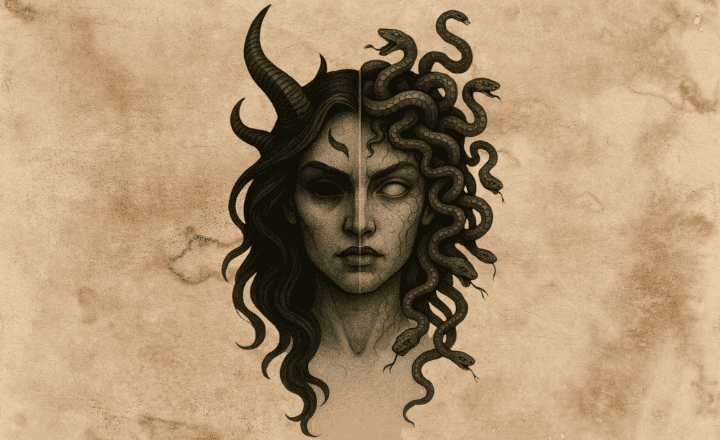
The story most people now mean — Lilith as Adam’s first wife, leaving Eden rather than accept a lesser place — does not come from Genesis. It appears in the medieval Alphabet of Ben Sira, which Gaines dates to sometime before the year 1000. Later folklore, and later still feminist retellings, enlarged the figure. These are layers, not one ancient creed. We have already followed Lilith’s mythic life and the modern sigil and the astrological glyph. The glyph — a crescent over a cross — is a shorthand for this far point, not a relic recovered from antiquity.
How Astrologers Read the Point
As Demetra George writes in Mysteries of the Dark Moon, Lilith belongs to the dark-moon and dark-goddess figures through which astrology talks about what is pushed out of the light. In a later note she distinguishes the Black Moon from the dark-goddess asteroids, so the calculated point and the rock are not asked to do the same work. Kelley Hunter, in Black Moon Lilith and again in Living Lilith, offers what her publisher calls “basic, suggestive interpretations”: not a verdict, and not a promise of power.
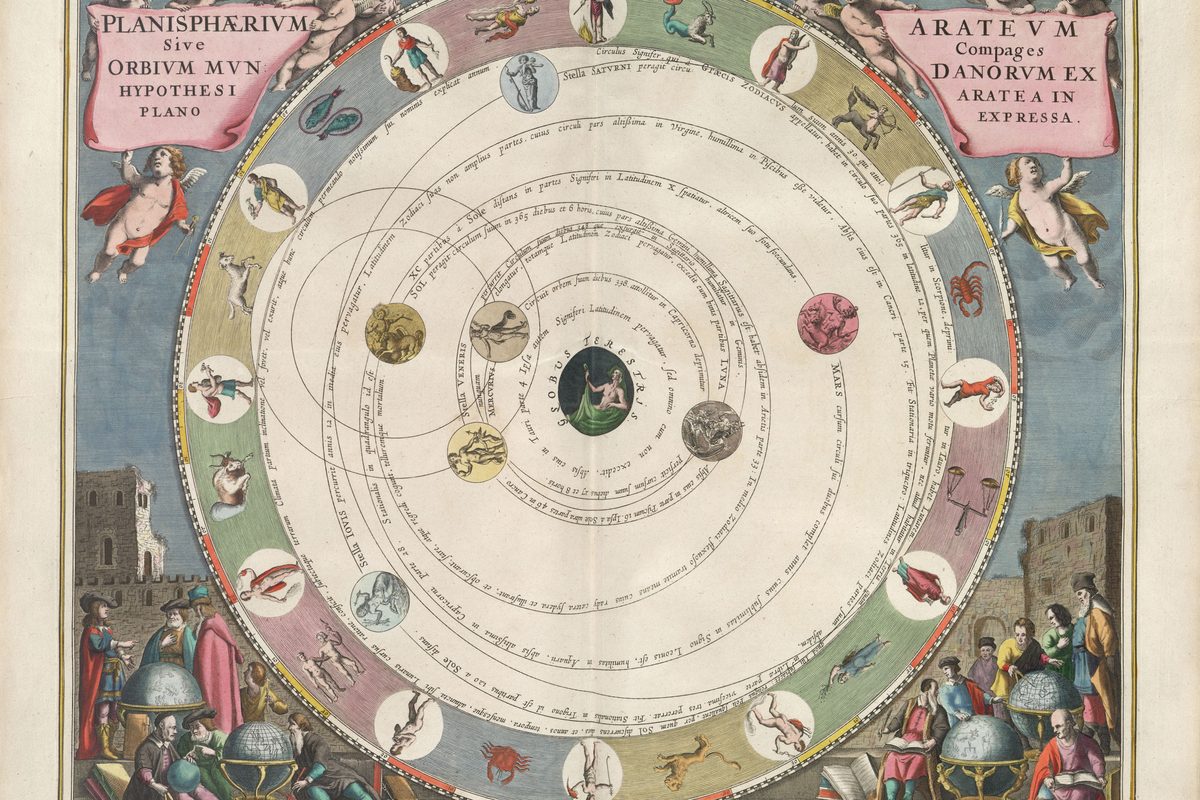
In this modern tradition, the point is often the place where a person was told they were “too much”: too angry, too hungry, too blunt, too sexual, too independent. It can show a raw appetite or a raw refusal — the part that will not be domesticated on schedule. That reading sits beside our earlier essay on Lilith as a dark-feminine figure, which belongs with the myth, not with the sky. None of it is a promise of luck or protection. The sign describes the style of the point, not the whole chart.
To find yours, you need a birth date, a birthplace, and a birth time if you have one. On Astrodienst (astro.com), open Extended Chart Selection, enter the birth data, and add Lilith from the additional objects. Some programs list more than one Lilith; choose the lunar point, not the asteroid and not Waldemath’s unconfirmed moon. Look first at the sign, then at the house if the chart includes one, then at tight aspects to the Sun, Moon, Venus, Mars, or Saturn.
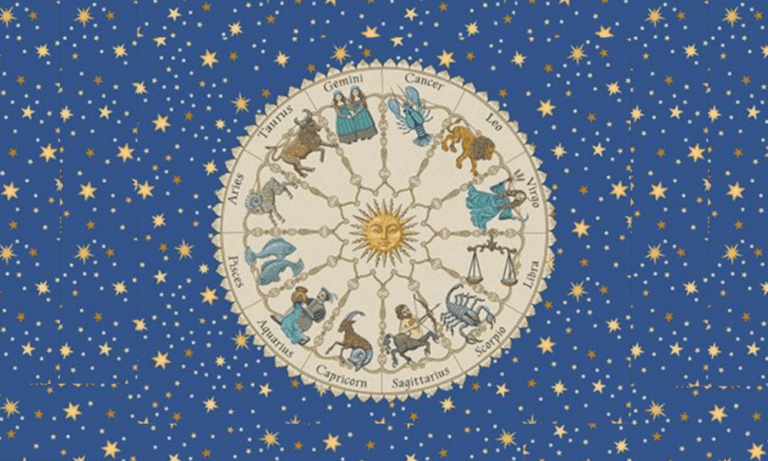
Black Moon Lilith Through the Signs
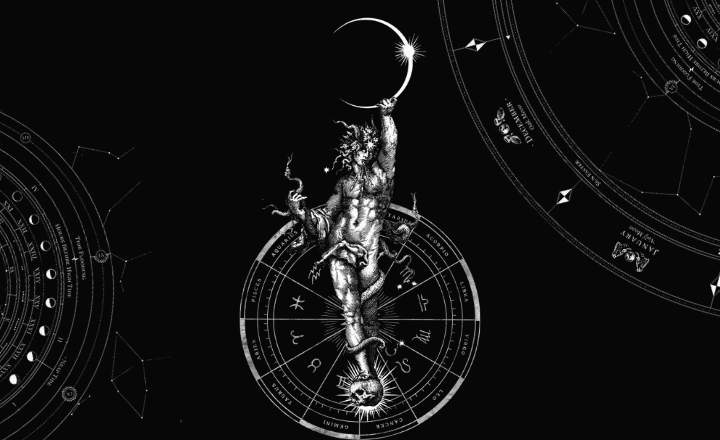
The sketches below combine the traditional temperament of each sign with the themes usually given to Black Moon Lilith: exile, refusal, unsanctioned appetite, the place one was taught to shrink. They are interpretive, not fact. Two people with Lilith in the same sign will not live it the same way.
Lilith in Aries
Traditional Aries wants a clean beginning and a direct yes. Lilith here is often read as a raw “I want” that was shamed as selfishness. Anger becomes information rather than a flaw, and waiting for permission can feel like a small death. The work, in this tradition, is not to become indiscriminately combative. It is to stop apologizing for having a will before the will has even spoken.
Lilith in Taurus
Taurus is appetite with a backbone: food, money, touch, time, the right to stay put. Lilith here is often described as a body that will not be bargained into smaller needs. Pleasure may have been treated as excess, or security as greed. The refusal is slow and hard to argue with. What this placement is thought to defend is not luxury for its own sake, but the dignity of a body allowed to want what it wants without having to justify it.
Lilith in Gemini
Gemini lives by language, curiosity, and the freedom to change its mind. Lilith here often points to the sentence that was not supposed to be said: the unsanctioned opinion, the joke that told the truth, the second story that complicated the official one. The person may have learned to be charming instead of precise. In this tradition, the work is not endless talking, but the recovery of a voice that can hold more than one fact — including the facts that make a room uncomfortable.
Lilith in Cancer
Cancer is the sign of belonging, memory, and care. Lilith here is frequently read as a conflict with the family script: the need that was called too much, or the independence that was called cold. Home can be both a hunger and a trap. The point does not reject care; it refuses care that requires self-erasure. The question is simple and difficult: what would it mean to belong without disappearing?
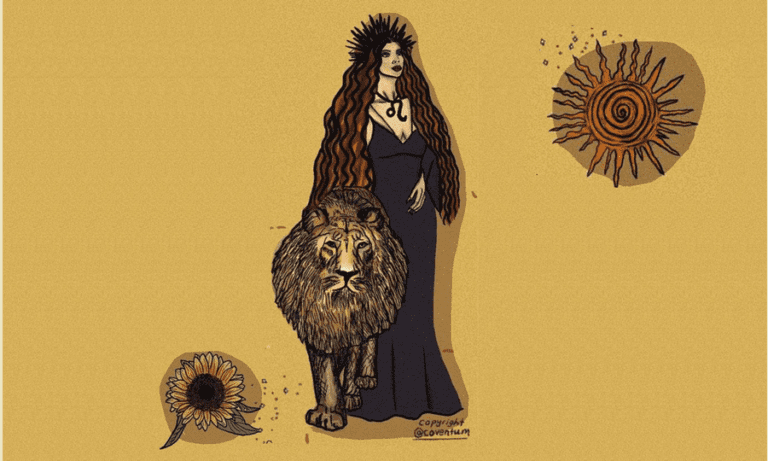
Lilith in Leo
Leo wants to be seen, and then to be seen accurately. Lilith here is often associated with a hunger for recognition that was named vanity, or with a creative heat told to dim itself for the room’s comfort. Pride, in this reading, is not the enemy; the enemy is the old instruction to be lovable instead of vivid. From the inside, the placement is usually quieter than it looks: a life allowed to have a center that does not apologize for glowing.
Lilith in Virgo
Virgo is devoted to usefulness, skill, and the improvement of what is already in front of it. Lilith here may show up as a revolt against being the helpful one who makes everyone else’s chaos look organized. Perfection can become both a hiding place and a weapon. In this tradition, the point is less about mess than about the unhelpful truth: the critique called unkind because it was accurate, or the body’s refusal to work like an instrument on command. Competence remains. Servitude does not.
Lilith in Libra
Libra seeks proportion, reciprocity, and the kind of beauty that makes a relationship livable. Lilith here is often read as the “no” inside a practiced “yes.” Harmony that depends on self-erasure is not harmony. The placement can look like charm that suddenly goes sharp, or a long career of keeping a peace that has become uninhabitable. The tradition is not anti-relationship. It is anti-counterfeit: fairness has to include the person who has been doing the balancing.
Lilith in Scorpio
Scorpio already has a reputation for intensity, which makes this placement easy to caricature. In this tradition, Lilith in Scorpio concerns the right to emotional honesty: desire, jealousy, grief, and appetite without the gothic postcard. What was exiled may be the need to know, or to be known, without punishment for either. The work is not to become mysterious on purpose. It is to stop treating one’s own depth as a problem managed for other people’s comfort.
Lilith in Sagittarius
Sagittarius wants a larger map: meaning, travel, a truth that still has air in it. Lilith here is often described as a hunger for belief that will not stay inside the approved curriculum. The person may have been told they were too much in their opinions, too restless, too unwilling to pretend a small answer was enough. The shadow is dogma in the other direction. The living version is plainer: the right to keep looking, and to say what the last honest look found.
Lilith in Capricorn
Capricorn understands structure, ambition, and the long effort of becoming someone a world can take seriously. Lilith here is frequently read as a refusal of the respectable ladder, or as authority that will not perform humility on cue. Ambition may have been shamed, or the person praised only for endurance. In this tradition, the point does not reject responsibility. It rejects being useful to a standard that never included them.
Lilith in Aquarius
Aquarius is loyal to principle, to the future, and to the strange consolation of not quite fitting. Lilith here is often the outsider who will not join the club that would have them, or the person whose difference was treated as a problem to be socialized away. Detachment can be a genuine gift and a practiced exile. In this tradition, the placement defends the unshared mind: the idea that was too soon, too cold, too unwilling to become agreeable in order to belong. Belonging, if it comes, has to come without a costume change.
Lilith in Pisces
Pisces dissolves edges: empathy, longing, imagination, the wish to merge. Lilith here is often associated with a boundary that was never allowed to form, or with a fantasy punished as weakness. Compassion can become a way of disappearing. The placement may also mark a refusal to be the world’s soft landing. In this tradition, the task is not to become less porous. It is to remain porous without offering oneself as the drain.
If this point keeps catching your eye, it may name a familiar fact: a part of you would not agree to be smaller. Coventum’s Lilith necklace keeps the story nearby.
References
- NASA Science. “Supermoons.” On the Moon’s farthest point. https://science.nasa.gov/moon/supermoons/
- Astrodienst. Free chart tools, including Extended Chart Selection. https://www.astro.com/
- Astrodienst, Swiss Ephemeris documentation. Waldemath’s unconfirmed Black Moon. https://www.astro.com/swisseph/swisseph.htm
- IAU Minor Planet Center. “(1181) Lilith.” https://www.minorplanetcenter.net/db_search/show_object?object_id=1181
- Lutz D. Schmadel. Dictionary of Minor Planet Names. Springer, 2007, entry “(1181) Lilith.” Naming for Lili Boulanger. https://doi.org/10.1007/978-3-540-29925-7_1182
- Janet Howe Gaines. “Lilith.” Bible History Daily / Bible Review, October 2001. Mesopotamian background, Isaiah 34:14, and the Alphabet of Ben Sira. https://www.biblicalarchaeology.org/daily/people-cultures-in-the-bible/people-in-the-bible/lilith/
- Demetra George. Mysteries of the Dark Moon: The Healing Power of the Dark Goddess. HarperCollins, 1992. https://www.harpercollins.com/products/mysteries-of-the-dark-moon-demetra-george
- Demetra George. “Mysteries of the Dark Moon.” Author’s later note distinguishing the Black Moon from dark-goddess asteroids. https://demetra-george.com/blog/mysteries-of-the-dark-moon/
- M. Kelley Hunter. Black Moon Lilith. American Federation of Astrologers, 2010.
- M. Kelley Hunter. Living Lilith: Four Dimensions of the Cosmic Feminine. The Wessex Astrologer. https://www.wessexastrologer.com/product/wall001/