What if the dead were never really gone? The ancestor cult is one of humanity’s most enduring spiritual systems—a worldview rooted in both reverence and fear. Across cultures and centuries, its echoes still linger. Even today, our rituals carry ancient DNA.
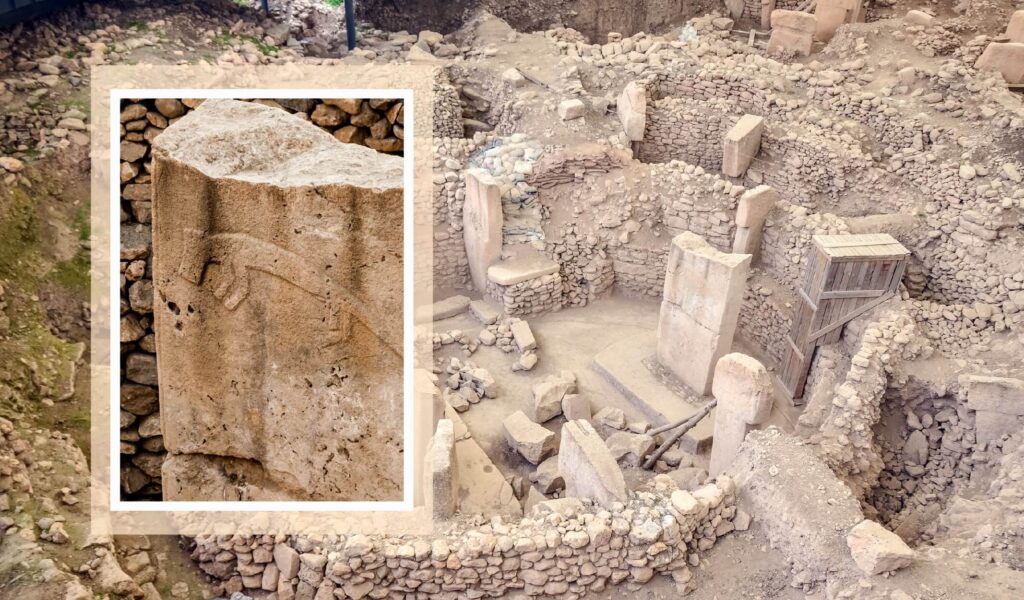
Some archaeologists suggest that the T-shaped monoliths of Göbekli Tepe, humanity’s oldest known temple site, may have represented deified ancestors. If so, this places the origins of ancestor worship not only within the framework of animism, but at the very foundation of civilization itself.
The concept of ancestor worship as a religious framework gained academic traction in the late 19th century, when thinkers like Edward Tylor and Herbert Spencer proposed it as a sub-branch of animism. While their early formulations were imprecise, this interpretation of ancestral belief systems evolved and solidified throughout the mid-20th century.
Altered States and Sacred Spaces
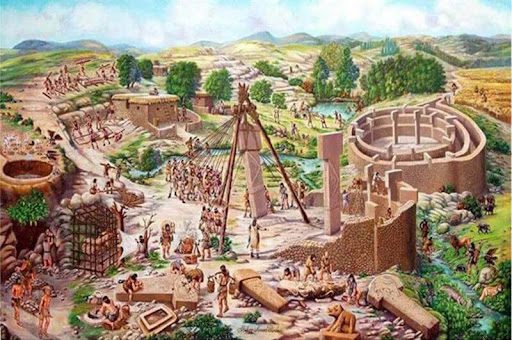
Trying to understand temples like Göbekli Tepe through a modern lens is a bit like analyzing dreams with a calculator. These people didn’t just think differently—they perceived differently. Even the most basic truths we take for granted (Why does the sun rise? What causes storms?) were unknown to them.
Myth and beliefs rushed into this void of explanation. And sometimes, so did mind-altering substances. Evidence suggests the use of intoxicating drinks, fermented plants, and even animal gland extracts—often consumed communally, even by children. Beer and wine, it seems, were more popular than water.
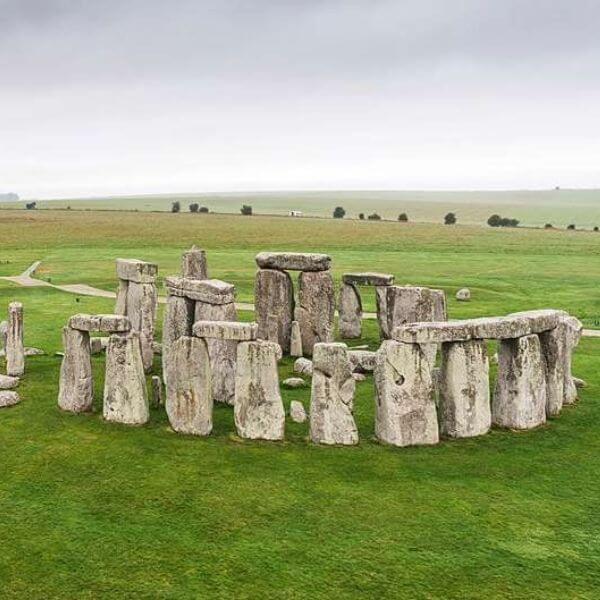
With consciousness altered and imagination unleashed, sacred spaces became not just possible, but necessary. These were liminal zones—portals between worlds. Just like Stonehenge, built millennia later, these sites reflect a shared archetypal cognition: one foot in this world, one in the next.
From Daimons to Dead Ancestors
In animism, every natural element contains a daemon—a non-divine but potent spirit that occupies the space between nature and deity. Far from being evil or angelic, daemons are intermediaries, with their own agency and influence.
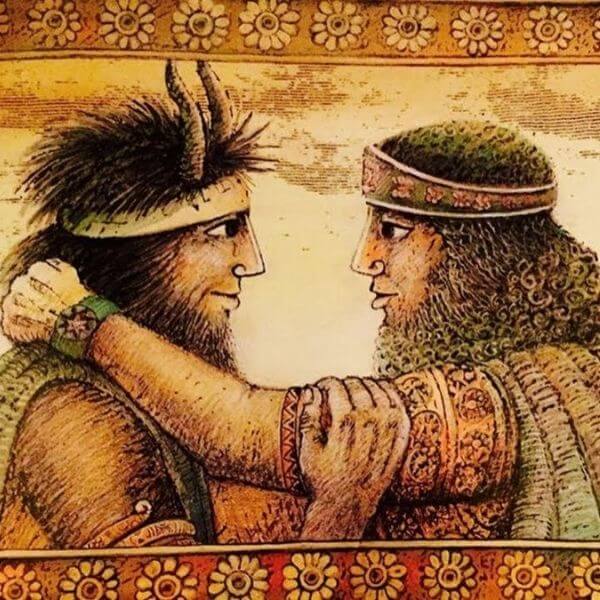
Even Socrates spoke of his “inner daemon”—a guiding voice he claimed offered wisdom and restraint. The ancestor cult builds on this worldview, projecting daimonic power onto the souls of the dead. Ancestors weren’t simply remembered; they remained present, residing in a shadowy realm that brushed against our own.
This threshold between the living and the dead is called a liminal space—and it’s permeable. The dead can visit us, and theoretically, we can visit them. That’s why rituals exist: to maintain this sacred boundary. Call them when needed, block them when not.
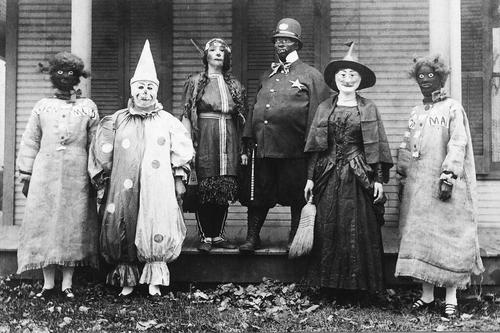
Rituals like these embody the human psyche’s dual nature. We worship what we fear, and fear what we revere. Some ceremonies are welcoming—like spring festivals that invite ancestors back. Others, like Samhain, serve to protect the living from those same returning spirits.
The Mythic Mind of Modernity
Many contemporary practices echo these ancient beliefs. Lighting candles for the dead, preserving saints’ bones, and performing annual rites are all modern masks of the ancestor cult.
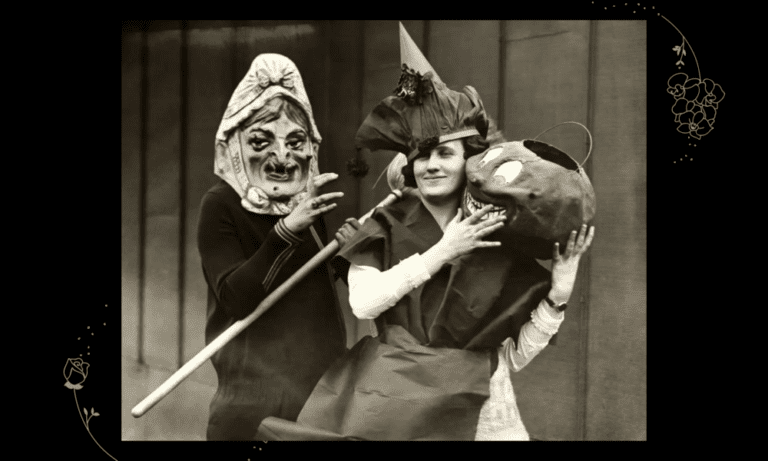
Even April Fool’s Day has roots in ancestral fear. Ancient traditions held that when spirits crossed into our world, people wore masks or told lies to confuse them. The joke, it turns out, is deeply serious.
The modern mind may be tech-savvy, but it still leans mythic. Even secular folks celebrate cycles like birthdays, New Year’s Eve, and childbirth with rituals that stretch back into prehistory. We are, as ever, ritual creatures in denial.
Dusty Afterlives
In the ancestor cult, the afterlife wasn’t paradise—just a different kind of existence. The Epic of Gilgamesh, one of the oldest surviving myths, describes the underworld as a dim, dusty place. Still, a moral order prevailed: good souls fared better than bad ones.
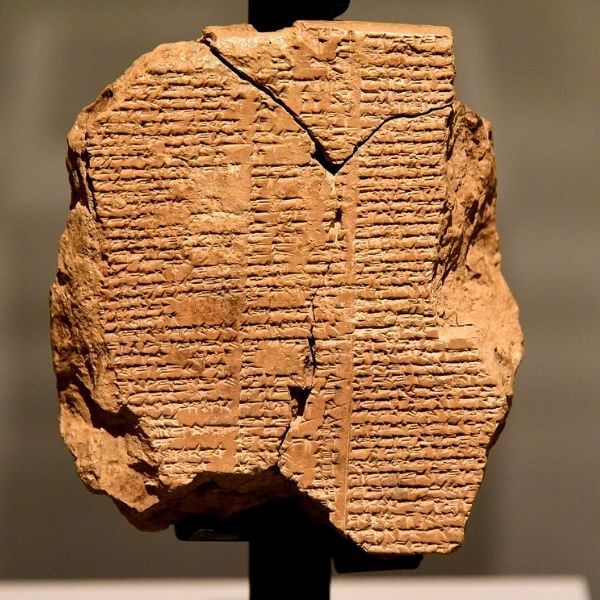
That’s why food, drink, and tokens were left in graves. The dead still needed sustenance. This notion of post-mortem care carried into Egyptian religion, where entire civilizations built economies around the comfort of the dead.
Gender, Power, and the Right to Ritual
One lesser-known (and disturbing) aspect of ancient ancestor worship is its gender politics. In Mesopotamia, it was believed that a man needed a male heir to be ritually cared for after death. Without a son, his soul would suffer.
To solve this, men often adopted male children for the sole purpose of performing these rites. If the adopted son failed to carry them out, it was his burden to bear.
Women, meanwhile, were largely excluded from these rituals—rendering them spiritually irrelevant in the eyes of the culture. Neolithic skeletal remains support this: female bones show signs of severe labor, while male remains often do not. This suggests not only social, but spiritual inequality.
And so, even the oldest myths of ancestry and legacy are laced with the earliest roots of patriarchal systems—ones we’ve yet to fully outgrow.
References:
- “Gathering of the Dead? The Early Neolithic Sanctuaries of Göbekli Tepe” – Cambridge University Press
- “2.4: From Animism to Ancestor Worship” – LibreTexts (Knockemus, Introduction to Religion)
- “The art from Göbekli Tepe and the belief in rebirth” – Academia.edu
- “The Greeks and their daimones” – TeemingBrain.com