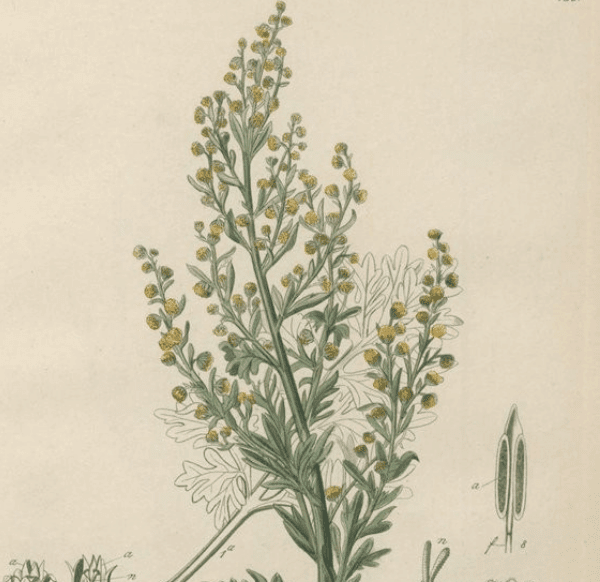
We’re setting our witchy sights on an unsung hero of the herb world: Tarragon. Known as the “Little Dragon” (Artemisia dracunculus), this fiery-leafed wonder is more than just a culinary companion—it’s a botanical powerhouse packed with medicinal benefits and deep spiritual symbolism. So grab your mortar and pestle, because we’re diving into the magic, meaning, and many uses of tarragon, both in the kitchen and in the craft.
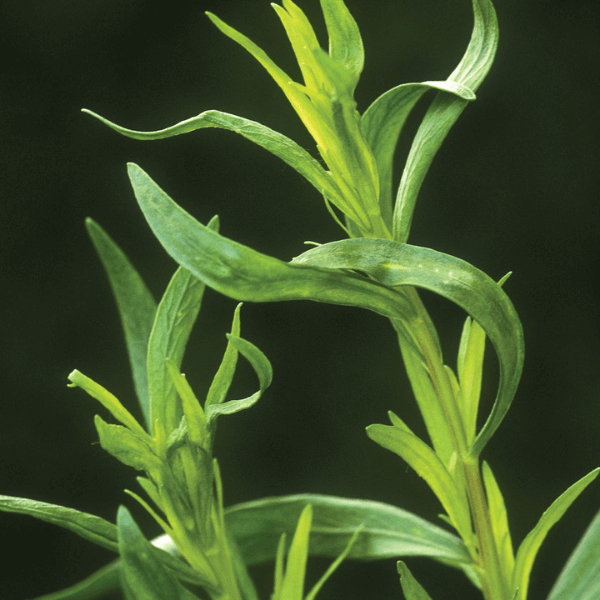
The Physical Aspects: Tarragon in the Kitchen
Known as ‘Little Dragon’ due to its fiery flavor and serpentine shape, Tarragon is a culinary delight. The French variety, with its delicate anise-like flavor, is a star in many classic dishes. It can elevate a simple chicken roast, transform a vinaigrette, and even add a refreshing twist to your favorite cocktail. But beyond the kitchen, Tarragon holds a wealth of health benefits.
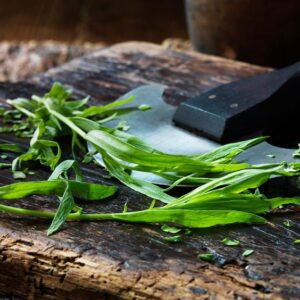
What does tarragon taste like?
Tarragon has a unique flavor that’s both sweet and slightly peppery, often compared to anise or licorice. Its distinctive aroma and taste are why it’s so beloved in French cuisine.
French tarragon, in particular, is prized for its smooth flavor and is often considered the most desirable culinary variety. You’ll find it at home in creamy sauces, herb butters, egg dishes, and even cocktails. If you’re looking to grow your own, keep an eye out for French tarragon seeds or tarragon seeds suitable for culinary use.
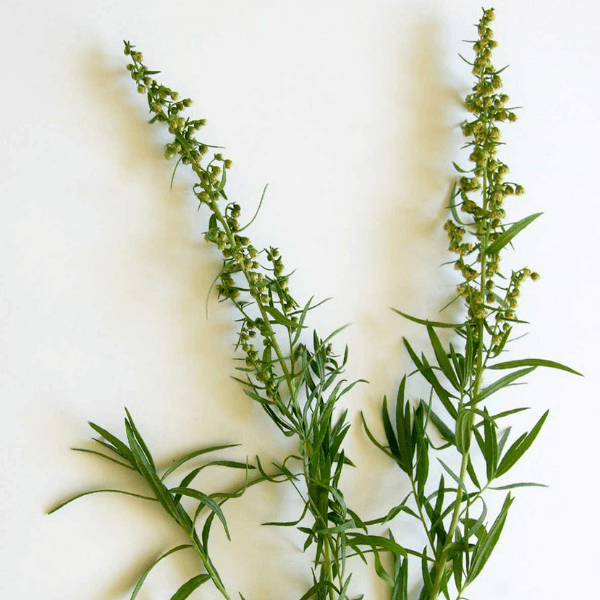
Can you eat tarragon raw?
Yes! Fresh tarragon leaves can be eaten raw and are a delicious addition to salads, vinegars, and as a garnish for fish or poultry. However, dried tarragon is more concentrated in flavor and better suited for stews and slow-cooked meals.
Why is tarragon called the king of herbs?
In French cuisine, tarragon is revered as one of the “fines herbes” alongside parsley, chervil, and chives. Its bold ability to transform even the simplest dish has earned it the royal title.
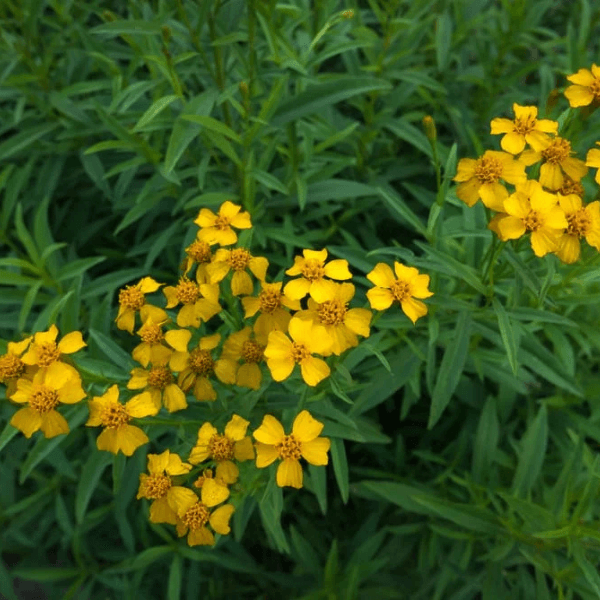
Healing Properties: Benefits of Tarragon Herb
The health benefits of tarragon tea and fresh leaves go far beyond flavor. Tarragon is packed with:
- Vitamins A, C, and B-complex, supporting overall wellness
- Antioxidants like beta-carotene and lutein for eye and skin health
- Potassium, for heart and kidney support
- Trace amounts of iron, aiding in red blood cell production
Traditionally, tarragon was used to relieve toothaches due to its mild numbing effect. It has also been used to support digestion, improve appetite, reduce water retention, and even promote restful sleep. Brewing a warm cup of tarragon tea before bed is a time-tested herbal ritual in folk medicine.
The Spiritual Aspects: Tarragon in Magic
Now, let’s explore Tarragon’s spiritual and magical properties. Associated with the planet Mars and the element of Fire, Tarragon is a herb of protection and invigoration.
Protection Magic
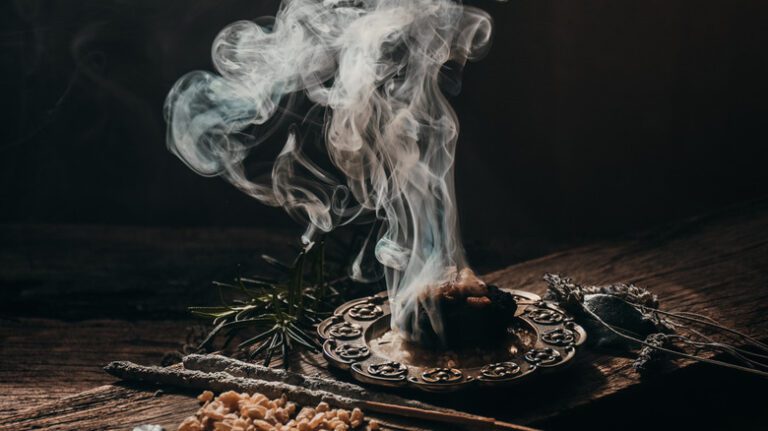
Tarragon can be used in protection spells and home blessings. Sprinkle dried tarragon along thresholds or windowsills to ward off unwanted energies, or burn it as incense to clear psychic debris.
Courage and Confidence
Tarragon’s link with Mars, the planet of courage, makes it an excellent herb for spells and rituals aimed at boosting confidence and courage. Carry a sprig of Tarragon or wear Tarragon-infused oil when facing challenging situations or when you need an extra dose of bravery.
Dream Work
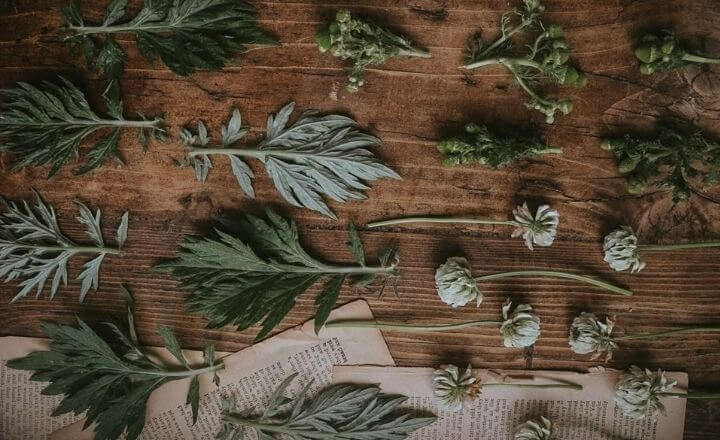
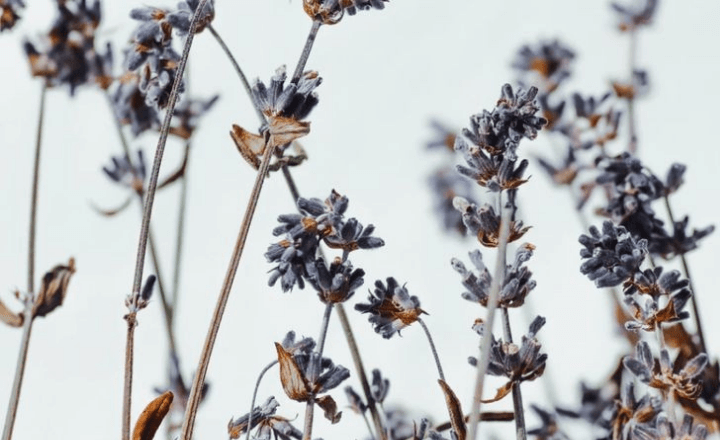
Tarragon has a subtle but fascinating link to dreams. Place a small bundle of fresh tarragon under your pillow to encourage lucid dreaming and enhance dream recall. Pair with mugwort or lavender for added dreamwork depth.
Love and Lust
Need a spark in the romance department? Tarragon is sometimes used in love spells and aphrodisiac potions, believed to stoke the flames of desire and rekindle passion.
Growing Tarragon: From Seed to Spell Jar
Growing tarragon at home is easier than you think—and it means having this magical herb ready whenever you need it.
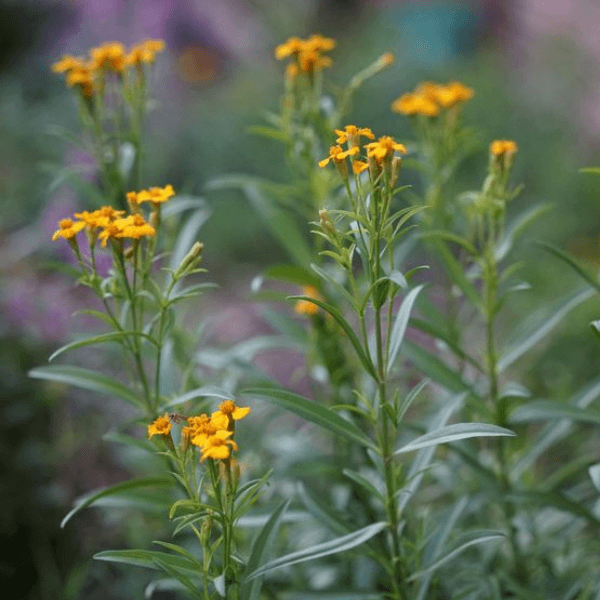
Start by sowing tarragon seeds or French tarragon seeds indoors about six weeks before your last frost. Press the seeds lightly into the soil—don’t cover them, as they need light to germinate. Keep them moist, and once they’ve sprouted and strengthened, transplant the seedlings into pots or a sunny outdoor garden spot with well-draining soil.
Fresh tarragon loves warm weather, so choose a location that gets plenty of sun. With consistent watering and a bit of attention, your herb garden will reward you with fragrant sprigs that can be used in food, tea, or rituals.
Bonus Witch Tip: Place a black tourmaline rock or selenite crystal near your garden beds to keep the plant’s energy clean and protected.

A Versatile Ally in Kitchen and Craft
Its Latin name is Artemisia dracunculus—a nod to Artemis, goddess of the wild, and the “little dragon” energy it carries. But in the modern witch’s herb cabinet, it goes by many names: protector, healer, confidence-booster, and love-drawer.
Tarragon isn’t just a garnish—it’s an energetic force. Whether you’re blending a healing potion, seasoning a summer salad, or casting a bold spell, tarragon stands ready. Its dual nature—culinary and magical—makes it a beloved staple for chefs, witches, herbalists, and dreamers alike.
Let it fire up your spellwork. Let it transform your meals. Let it remind you that even the smallest leaves can carry the most potent power.