A choker. Just a ribbon. Tied close enough to graze the skin of the throat.
But in revolutionary France, it meant so much more than fashion.
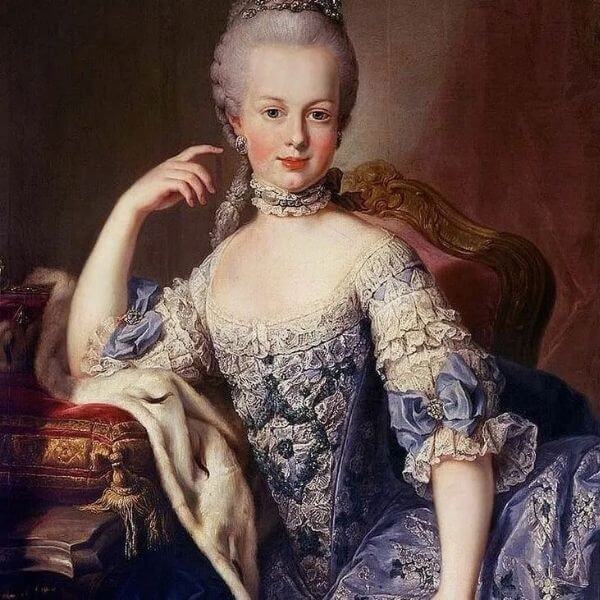
The Ancient Neckline
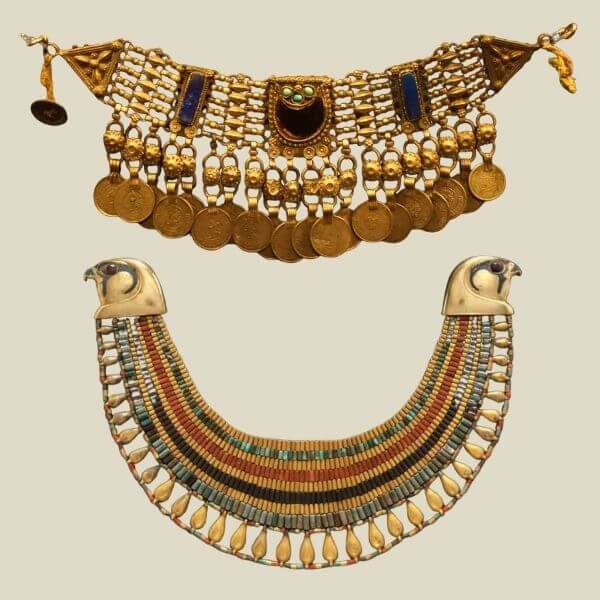
Chokers didn’t start with Paris. Long before they hinted at rebellion times, they whispered of ritual and royalty. In Ancient Egypt, they adorned the necks of pharaohs and priestesses alike—believed to offer protection, power, and divine favor. Mesopotamian goddesses, too, wore tightly bound collars of gold and lapis lazuli. The closer to the pulse, the stronger the magic.
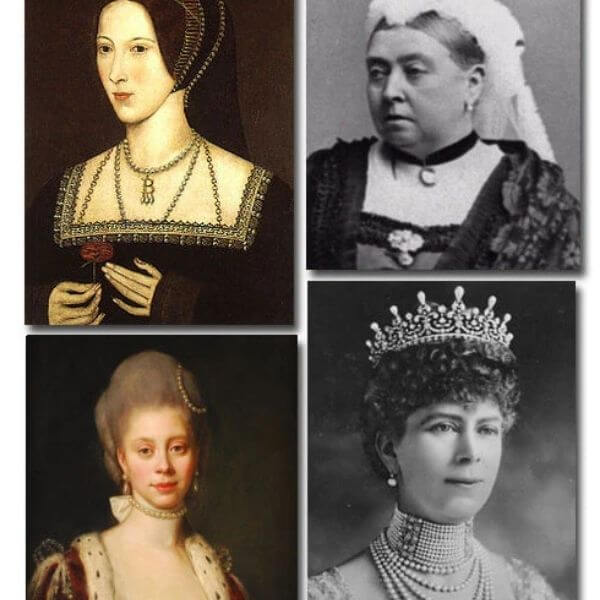
Centuries later, during the Renaissance and Baroque eras, chokers made a return to European courts. Velvet bands with pearls graced the necks of nobility. Ballerinas and aristocrats favored them during the 18th century, but it wasn’t until a certain revolution that the choker took on a darker meaning.
The Guillotine’s Shadow
In 1789, France boiled over. The French Revolution erupted after years of political corruption, economic crisis, and social inequality. While King Louis XVI lost control of a fractured nation, the people turned to rage. The monarchy was dissolved. Heads rolled.
Literally.
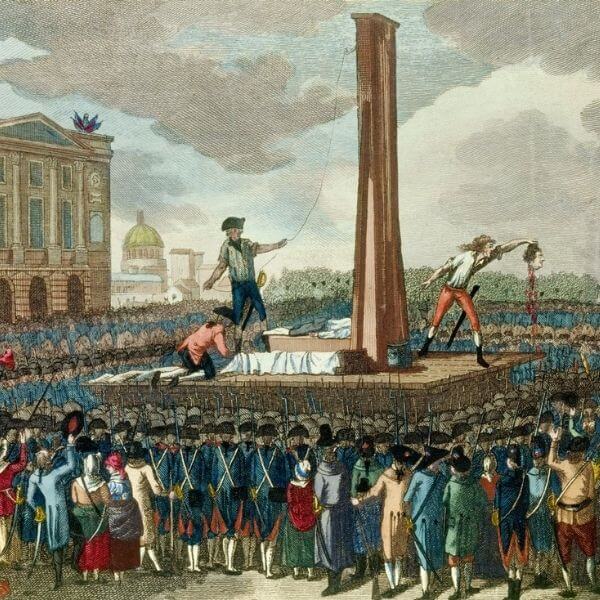
The guillotine—a supposedly humane execution device—became a grim symbol of the new Republic. Between 1793 and 1794, during a time known as the Reign of Terror, over 25,000 people were publicly executed. Among them was Marie Antoinette, the controversial queen who was paraded through the streets and beheaded in October 1793.
But even in death, she set trends.
The Ribbon of the Dead
After the blood dried and the blades dulled, something strange began to happen in Paris. Whispers of a new kind of party spread—Bal des Victimes, or “Balls of the Victims.” The first recorded mentions date back to around 1797, though some historians argue whether these events were myth or mourning masquerade.
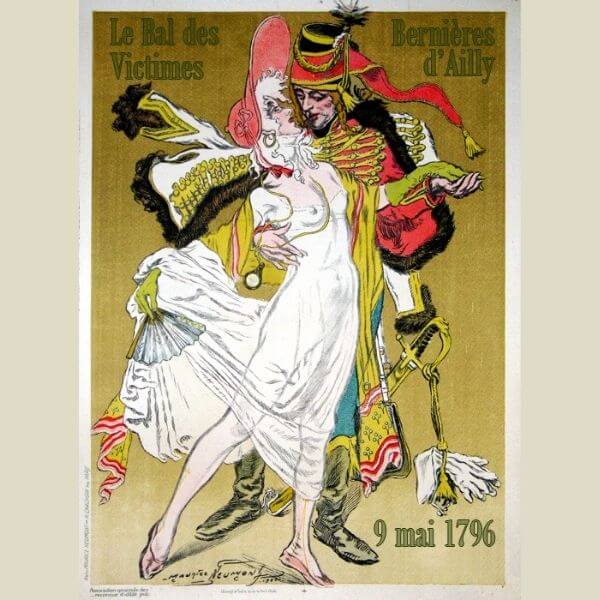
To attend, one had to claim some connection—real or exaggerated—to a guillotine victim. And nearly everyone could. A cousin, a neighbor, an old lover.
The dress code? Haunting.
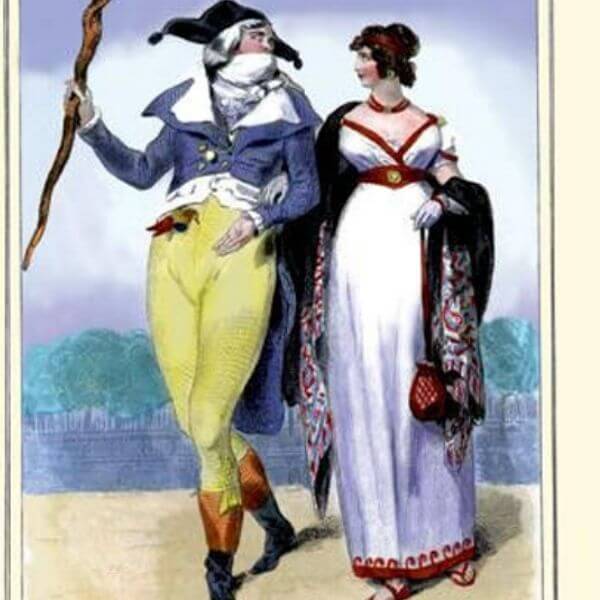
Women arrived in Grecian-style dresses, reminiscent of ancient mourning garb. Many came barefoot, echoing the final walk of the condemned, who were traditionally stripped of shoes before mounting the scaffold. This ensemble was known as “costume à la victime”—victim’s costume.
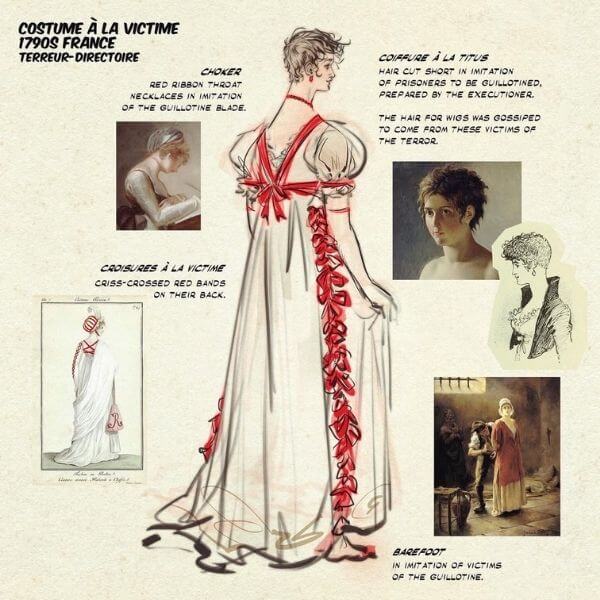
But the most striking detail wasn’t in the silk or sandals. It was in the throat.
A thin red ribbon, tied tightly around the neck.
It was a visual echo of the guillotine’s kiss. A silent tribute. A protest. A piece of political theater worn as jewelry. Black variations also appeared, especially in more public, less exclusive settings—subtle nods to grief, defiance, or both.
The choker had transformed. No longer just a fashion statement, it became an act of remembrance, rebellion, and identity. Some even say attendees would snap their heads dramatically mid-dance to mimic the beheading—an eerie performance of collective trauma.
Queen Alexandra and the Victorian Revival
After the revolution’s haunting ribbons faded, chokers found their way back into royal courts—this time under the gaze of Queen Alexandra of Denmark, later Queen of England. It’s said she began wearing wide pearl and diamond chokers to conceal a small scar on her neck, but her choice soon became a sensation across Victorian high society.
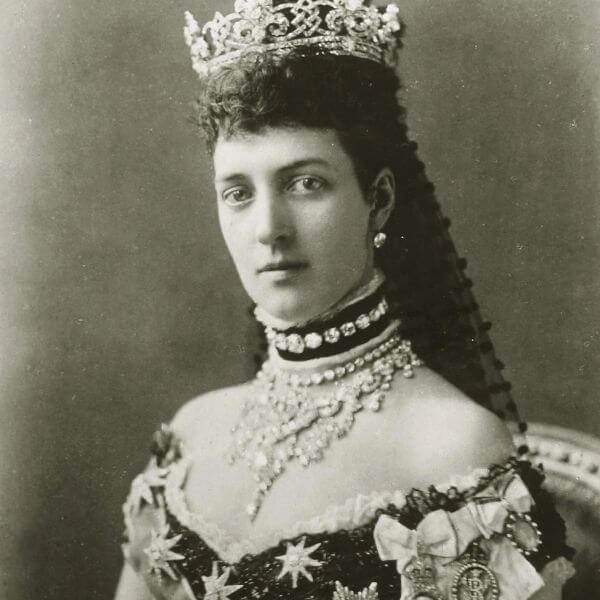
Her layered colliers de chien—literally “dog collars”—turned into the must-have jewelry of the late 19th century. Every aristocrat wanted one. What began as a means of modesty became a symbol of elegance and quiet defiance. Alexandra’s style softened the choker’s revolutionary edge, wrapping it instead in opulence, nostalgia, and royal mystique.
By the time the century turned, chokers had transcended rebellion and become eternal: an accessory that could whisper danger or grace, depending on who wore it.
Between Mourning and Modernity
Fast forward centuries later, and chokers still linger at the throat of fashion. In the 1990s, they re-emerged in tattoo form on teenage necks. In high fashion, they never left—oscillating between regal and radical.
The choker endures because it does what few accessories can. It speaks. Of power, silence, protest and, memory.

The Ribbon Returns
Whether myth or memory, the Bals des Victimes reveal something spine-tingling about fashion: how it can carry grief, scream without sound, and reclaim power at the most vulnerable place—the neck.
Today, chokers still channel that magic. They still hold the power to disrupt, to enchant, and to remember.
Want to wear history wrapped in symbolism?
Discover Coventum’s handcrafted choker collection—where fashion meets myth, and every ribbon tells a story.
References:
- The Metropolitan Museum of Art – “Choker Necklace (Fashion History Timeline)
- BBC Culture – “How Marie Antoinette’s Style Changed the World”
- The Jewellery Editor – “A Brief History of the Choker Necklace”
- The Smithsonian Magazine – “How the Guillotine Became a Symbol”
- Musée Carnavalet – “Bals des Victimes: Fashion and Mourning after the Terror”