Few indulgences carry as much legacy as chocolate — and the story begins not in a lavish dessert salon, but in the quiet corridors of cures and courtly whims. When the queen of France found her remedies intolerably bitter, she did what royals do: she demanded refinement. Through her, chocolate shifted from sip to bite.
Royal Prescriptions and Chocolate Innovation
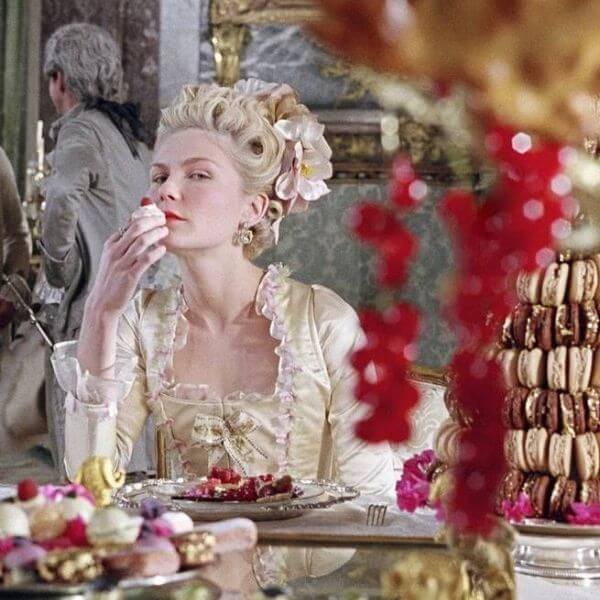
In the late 18th century, Marie Antoinette suffered from frequent headaches and tension — the standard afflictions of a young queen trapped in a political marriage, proof that even owning a village built in your image doesn’t guarantee happiness. Her physician/pharmacist, Sulpice Debauve, took on the challenge. Debauve, already serving the court of Louis XVI, knew the queen indulged in chocolate drinks since her Viennese childhood.
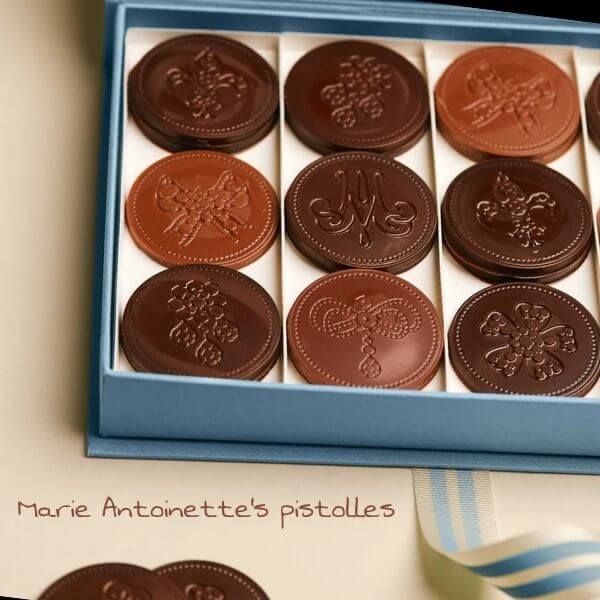
To rescue her from bitter powders, he combined powdered medicine with cocoa and almond milk, moulded them into coin-shaped discs, and thus created what many sources describe as the first chewable solid chocolate. Marie named these “pistoles” for their resemblance to the gold coins of the era.
From Court Luxury to Everyday Treat
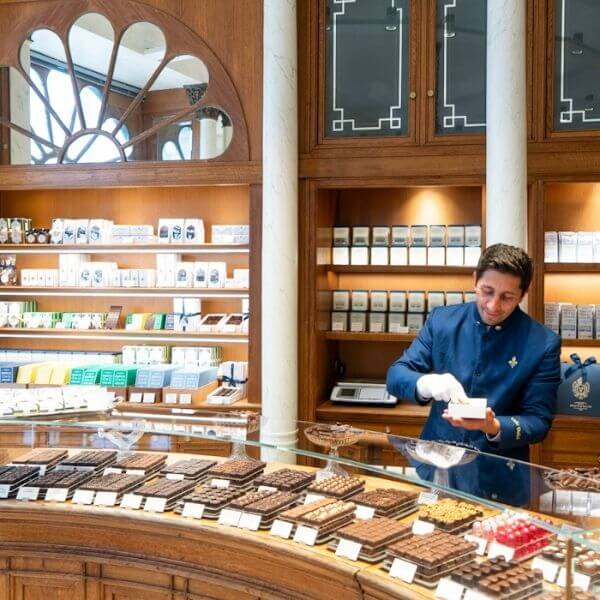
Chocolate had arrived in France as a luxurious beverage in the 17th century. Across Europe, cacao was consumed almost exclusively as a thick, bitter drink — closer to a potion than a pleasure, its texture dense and its taste sharp. But Debauve’s innovation transformed its destiny. In 1800 he opened his Paris shop, which would become Debauve & Gallais, and his medallions gained favour across the aristocracy. The chocolate’s transition—from drink to bite, from remedy to pleasure—mirrored the era’s shift in taste and technology.
Chocolate, Alchemy and Courtly Symbolism
These pistoles did more than flavour medicine; they symbolised refinement, innovation, and the sweet fusion of utility and delight (the house motto: utile dulci). In every solid bite lay a convergence of pharmacy and confectionery, of utility and indulgence. Marie’s personal chocolate habit quietly helped turn cacao into crystallised luxury rather than mere hot drink.
Why Marie Antoinette Deserves the Credit?
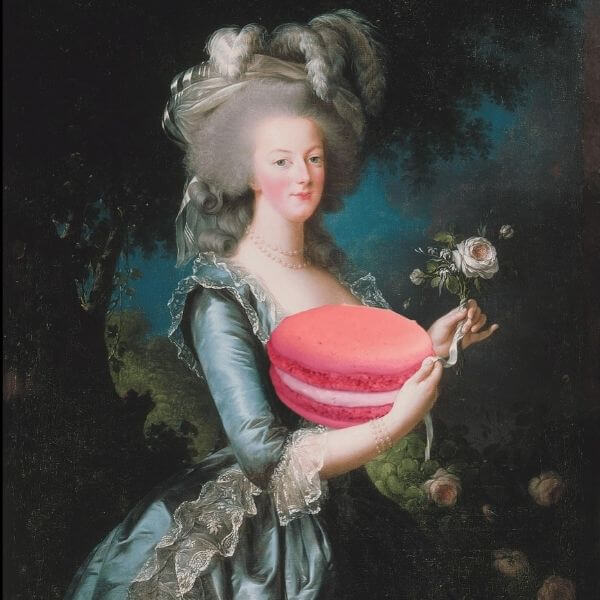
Because she unwittingly triggered the transformation. Talk about a true queen! Her demand for something pleasant to mask discomfort became the mechanism through which chocolate evolved. Without that royal impatience for bitter medicines, the history of solid chocolate might have taken a different turn. The coin-shaped pistoles remain a testament to that moment.
Modern Echoes of a Sweet Revolution
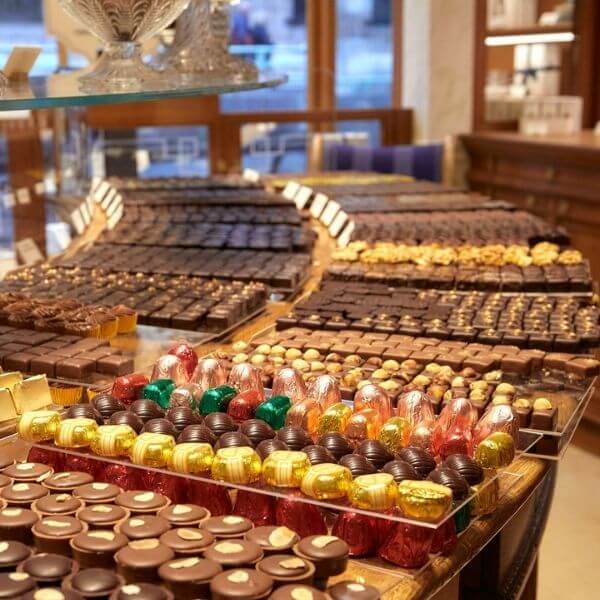
Today the legacy remains in boutique chocolates and historic shops like Debauve & Gallais in Paris, still offering pistoles under the queen’s name. What began as a prescription in Versailles became a treat in salons and a staple in global confectionery.
In the story of chocolate, Marie Antoinette stands at a hinge: the queen who tolerated medicines no longer, and begot a sweet revolution. From bitter powders to coin-shaped chocolate discs, from court remedy to universal indulgence—her legacy melts in the mouth of time.
References:
- Histoires de Parfums – Chocolate and Marie Antoinette
- Debauve & Gallais (Official Site) – L’Histoire de la Maison
- OBON Paris – Debauve & Gallais: The Oldest Chocolate Shop in Paris
- Château de Versailles (Official) – Hot Chocolate at Versaille
- Wikipedia – Debauve & Gallais (historical background and motto utile dulci)