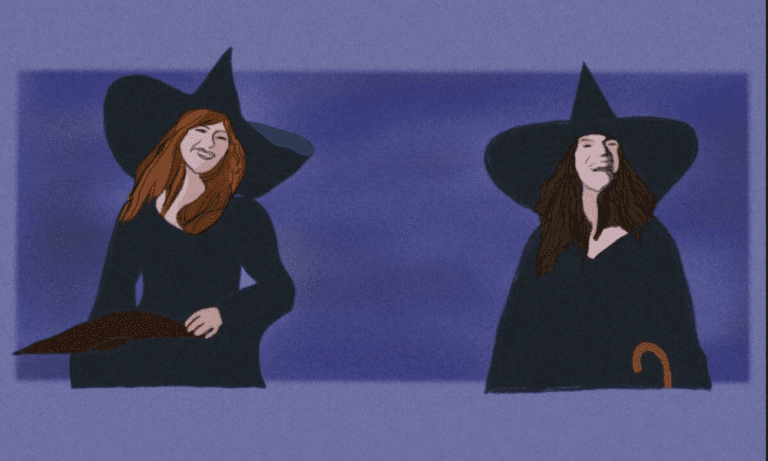
The most enduring monster in literature was conjured not by a man in a lab coat—but by a young woman in a night of storms and ambition. Mary Shelley refused to be quiet. She lost her mother when she was eleven days old, walked cemeteries writing elegies as a child, and lived love affairs and tragedies that most fear to whisper. Her name belongs among the bold, the gothic, the limit-crossers.
Origins of Horror
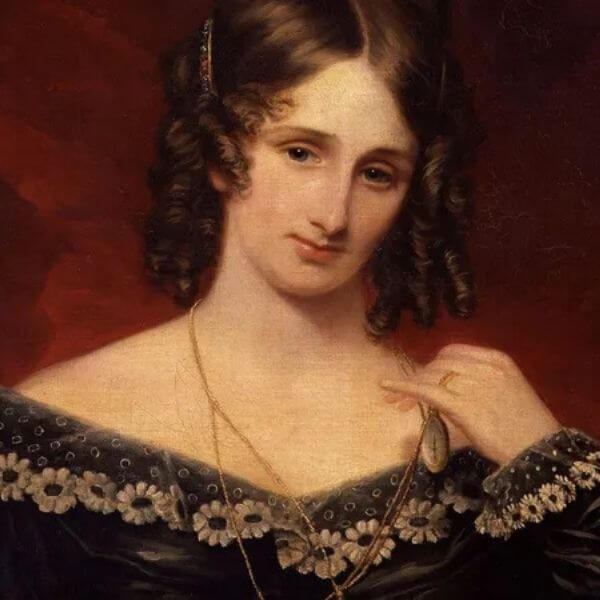
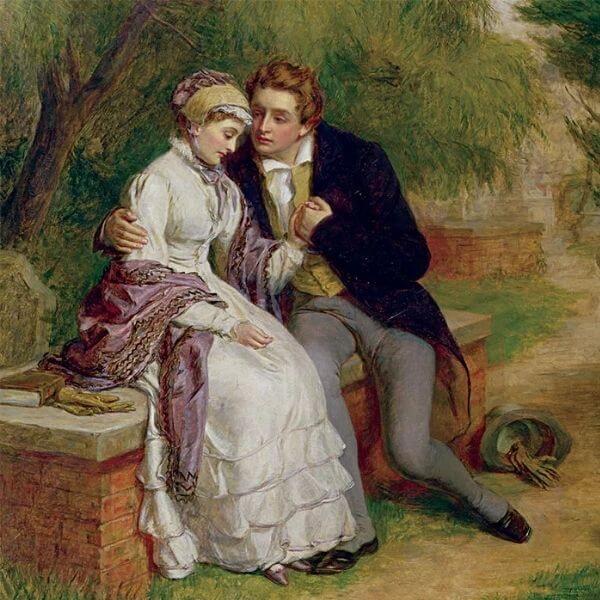
Born in London on August 30, 1797, to the radical writer Mary Wollstonecraft and philosopher William Godwin, Mary’s life from the very start carried a weight of legacy and loss. She watched the funeral rites of her mother before she could even find her voice, and she filled her youth with poems at gravesides. Love found her in storm-swept landscapes: at sixteen she met Percy Bysshe Shelley, a married man expelled from Oxford for atheism. They fled Europe at twenty-one, and together they danced with shadows.
The Birth of the Original Monster
In the summer of 1816, at a villa on Lake Geneva, the Shelleys and guest writers bored under storm clouds and thunder. A challenge erupted: “Write the best horror story.” Mary dreamed of airless nights and skull-filled visions. Some sources attest that during a visit to Frankenstein Castle in Germany, she found the germ of her tale.
In fact, the scene itself was drenched in rebellion. Percy had publicly declared himself an atheist in 1811 and was expelled from University College Oxford for distributing a pamphlet titled The Necessity of Atheism. At a time when such a stance was unthinkably bold for a man of his class, he stood at the edge of faith and order — exactly the kind of partner Mary needed.
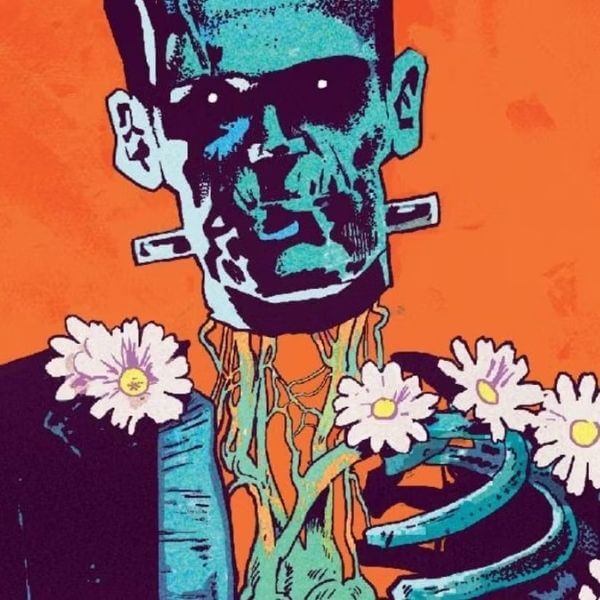
At 18 she conceived Frankenstein; or, The Modern Prometheus—the “original Frankenstein” (1818). Published anonymously; many assumed Percy wrote it.
What Frankenstein Means
So what does “Frankenstein” mean in German? The very name evokes “stone of the Franken,” but more deeply suggests bold mountain / landmark of the Franks. The German roots hint at strength, fear, and legacy—fitting for a novel born in the gothic shadows of celestial ambition and earthly decay.
In the pantheon of horror cinema (the black and white Frankenstein movie of 1931, the 1957 The Curse of Frankenstein, the 1990s Frankenstein movies) Shelley’s blueprint looms large: creator vs creation, hubris vs consequence.
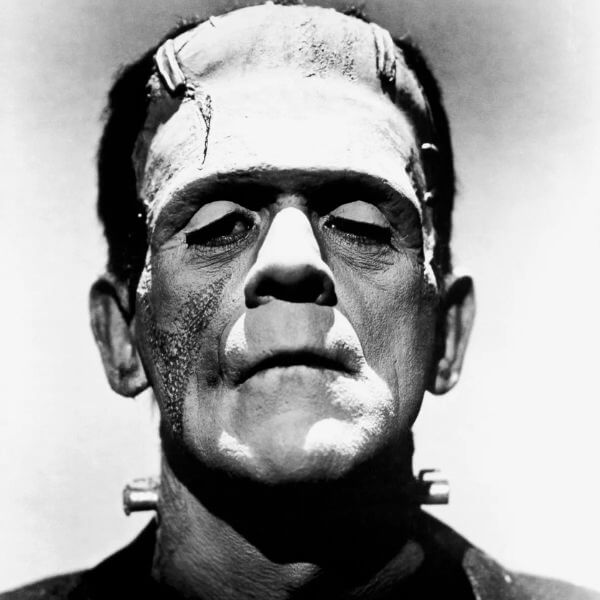
The Mrs Frankenstein We Need
Mary would not be passive. While Percy dramatized his disbelief, Mary locked her husband’s burnt heart in a drawer and carried on writing. Some scholars doubt if the organ was literally his, but the myth persists — and what myth better suits a gothic queen of horror? Their love story reads like a dark ritual: four children borne, only one survived; Mary widowed at twenty-five when Percy died in a boating accident. She lived to 53 and never stopped creating.
In her body of work and life she symbolised the outsider wrapped in velvet: the intellectual woman unbound by decorum, a writer of nightmares, a witch of her era.
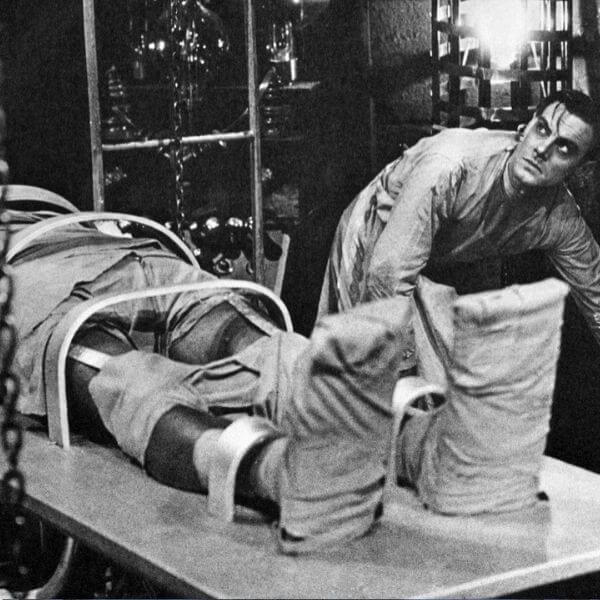
The Monster Reborn
As we wait for the 2025 film Frankenstein (2025 film) — directed by Guillermo del Toro, starring Oscar Isaac and Jacob Elordi — we revisit Shelley’s genesis of darkness. The film premiered at the Venice International Film Festival and the global streaming release on Netflix is set for November.
Del Toro treats Shelley’s life as mythic material. He honours Percy’s radical atheism and Mary’s gothic spine. In interviews he reveals Shelley allegedly kept Percy’s heart — “Her allegiance to Percy beyond the grave is very, very moving.” The monstrous-creator motif is loaded with that obsession: seeing the refuse of society, giving it life, defying death. The film frames Victor’s act as much a rebellion as Percy’s pamphlet, as Mary’s locked drawer.
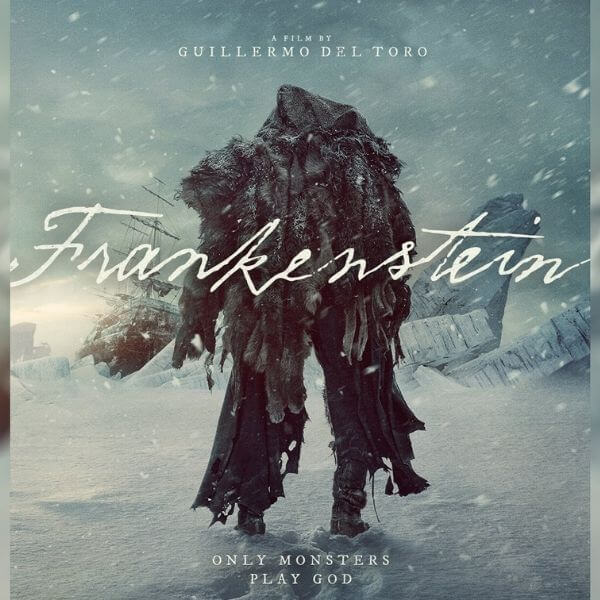
The Witch Writes the Monster & the Monster Writes History
Mary Shelley didn’t simply create a monster—she opposed the conventions that silenced her. Her darkness became form, her sorrow became story. She taught us: monsters are forged from our ambition, our love, our fear. She remains our kind of girl. Our kind of witch.
So as you watch the screen flicker with bolts of unnatural life, remember: the original horror came from a stormy night and a young woman who refused to belong.