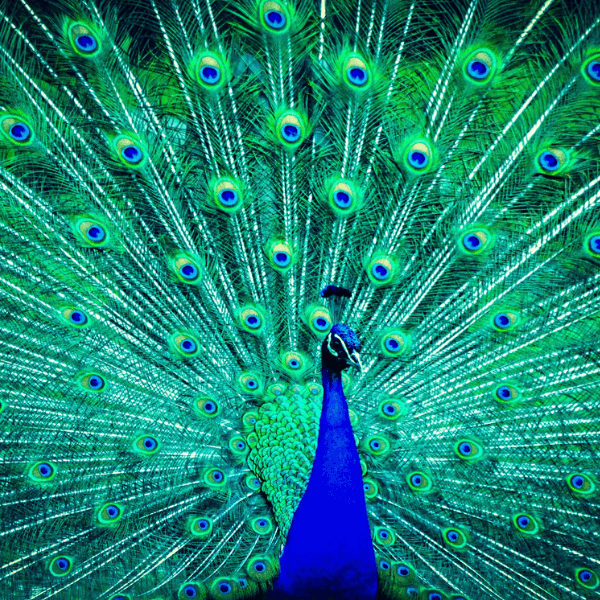
Feathers, flair, and fabulousness—the peacock isn’t just here to be pretty. For centuries, this iridescent icon has strutted through myth, art, and spirituality, flaunting not just its feathers but a depth of meaning that rivals any ancient scroll. Whether you’ve found a stray plume on the ground or spotted one in your dreams, the peacock is more than just eye candy—it’s a symbol of royalty, resurrection, protection, and unshakable self-confidence.
Let’s unfold the tail and see what stories lie within. 🦚
Spiritual Meaning of a Peacock Feather
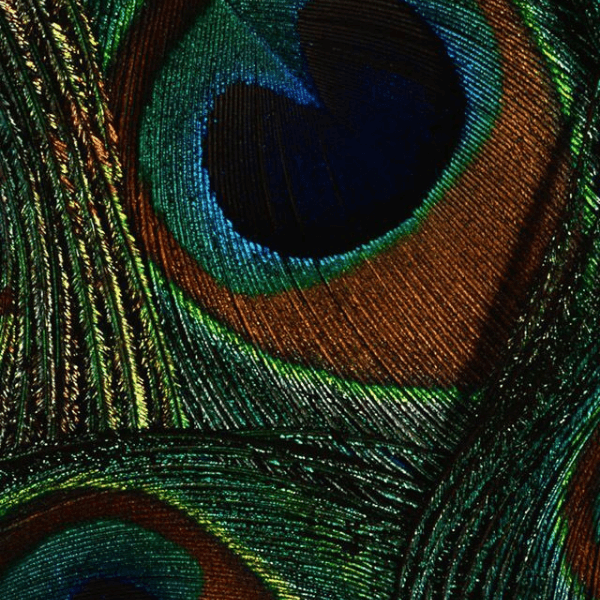
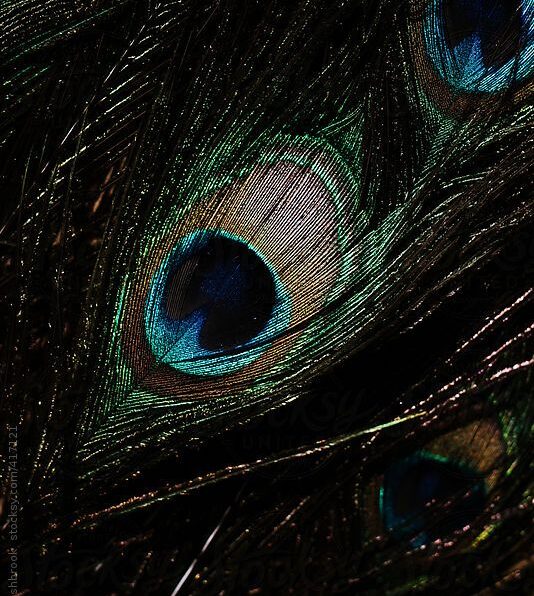
Finding a peacock feather isn’t random—it’s a message. In many cultures, it’s believed to hold powerful spiritual significance. The “eyes” on the feathers aren’t just decorative; they symbolize divine vision and protection. Their feathers represent the all-seeing God. In Hinduism, they embody patience, compassion, and knowledge—virtues that radiate from Lord Krishna’s iconic peacock-feather crown.
Across spiritual traditions, the peacock feather is a talisman of beauty, abundance, and awakened consciousness. It’s often used in rituals for cleansing negative energy, and yes—some even tuck one into their dreamcatchers for extra protection and enhanced intuition. (That “peacock feather dream catcher meaning” you’ve been Googling? It’s all about spiritual filtration.)
Goddess Energy: The Peacock in Mythology
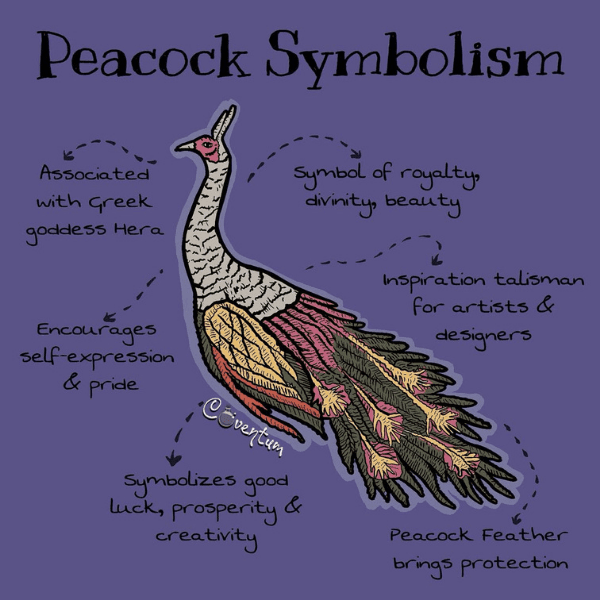
Peacocks didn’t earn their reputation for nothing. Associated with the goddess Hera in Greek mythology, the bird became a symbol of her divine gaze—she placed the “eyes” on the feathers to remind all of her omniscient power. In Hindu lore, the god Kartikeya rides a peacock into battle, its feathers symbolizing courage, victory, and divine nobility.
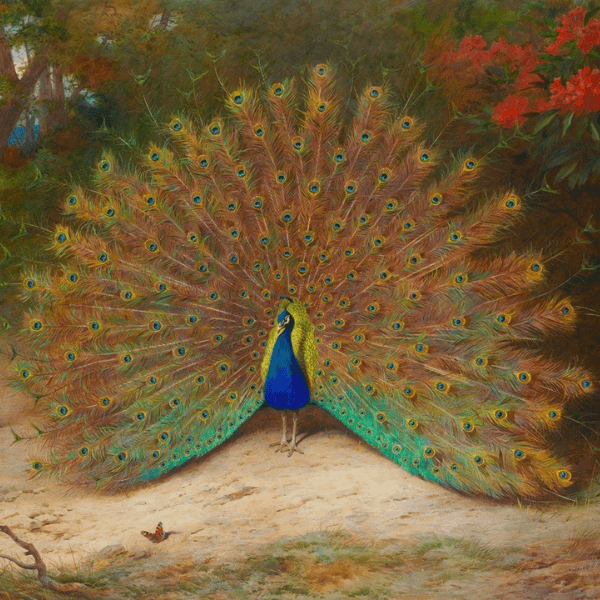
In both East and West, this bird is a living symbol of spiritual royalty. It’s no coincidence that many deities and royals have embraced its majestic form. Whether you interpret the bird as celestial guardian or divine fashionista, one thing is clear: the peacock is never just for show.
✨ Fun note: The Coventum Peacock Beret draws on this mythic glamour. With a black velvet finish and a subtly embroidered feather, it’s not just a fashion piece—it’s a nod to the divine. Perfect for modern goddesses (and gods) channeling a bit of peacock power.
Peacock as a Spirit Animal & Totem
If the peacock shows up in your life, it’s not shy about what it wants to say. As a spirit animal, the peacock encourages:
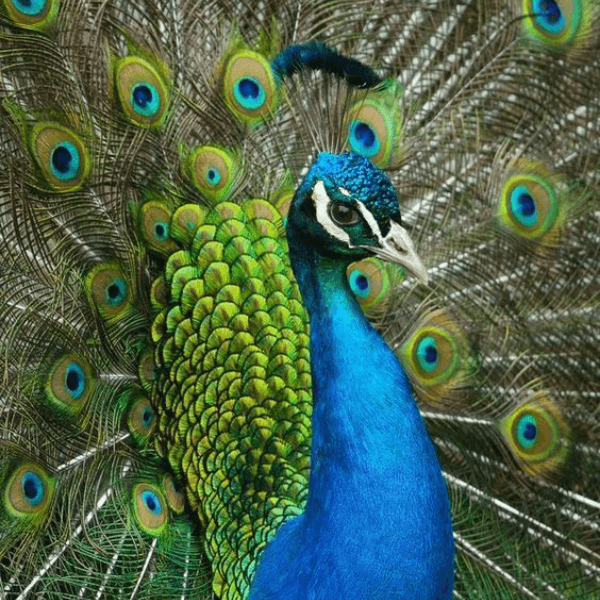
- Confidence – Strut your stuff.
- Authenticity – Show your true colors (literally and metaphorically).
- Transformation – Out with the old. You’re being reborn, radiant as ever.
It’s also an invitation to spiritual awakening, reminding you to expand your awareness and stay open to signs from the universe. In totemic traditions, the peacock says: Own your beauty, speak your truth, and don’t dim your light just because others are blinking.
And yes, for those asking “Is a peacock good or bad luck?”—in nearly every tradition, it’s very good luck. Unless you’re trying to hide in the crowd.
Seeing a Peacock in Dreams
Ever dreamt of a peacock? Or found yourself waking up after spotting its vibrant feathers in your subconscious?
- Seeing a peacock: Signals inner transformation, spiritual growth, or a blossoming sense of self.
- Seeing a peacock feather: A symbol of protection and a reminder to keep your third eye open.
- Black peacock dreams: Tap into the mystical unknown. A sign of shadow work, deep truths, and spiritual alchemy.
- Blue peacock dreams: Emotional clarity and throat chakra awakening.
- Seeing baby peacock in dreams: You’re at the beginning of a spiritual journey—handle with wonder.
Dreams involving peacocks often hint at creativity, rebirth, and newfound confidence. Want to elevate those dream messages? Place a peacock feather near your bed or wear your intentions—say, on a stylish symbolic beret.
Symbolism Across Cultures
From India to Mesopotamia, the peacock has made its mark:
- Hinduism: Sacred to both Krishna and Kartikeya. Associated with love, wisdom, and divine protection.
- Greek Mythology: Tied to Hera, symbolizing watchfulness and immortality.
- Islamic Interpretations: Though not as widely cited, peacocks are occasionally linked to paradise and divine order.
- Medieval Europe: Seen as a symbol of resurrection and incorruptibility—hence their frequent use in church iconography.
- Modern Paganism & Witchcraft: Often seen as a protective sigil and a connector to spirit realms.
In every context, the peacock’s dazzling presence is more than vanity—it’s vision, grace, and mystical power.
Why Peacock Energy Still Matters
In a world obsessed with filtering perfection and hiding our flaws, the peacock reminds us to take up space. Its message? Be bold, radiant and divine. Embrace your transformation, own your story, and don’t apologize for shining.
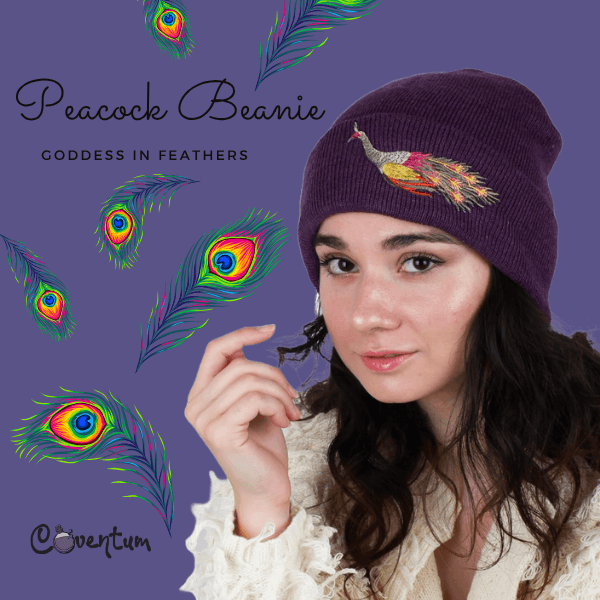
And if you need a daily reminder of all this glorious symbolism? The Coventum Peacock SYmbol Beanie is more than just an accessory—it’s a crown for the awakened. Let its charm infuse your wardrobe and keep you spiritually fabulous.
References:
- William Tuckerar Art – “The Rich Symbolism of Peacocks in Culture and Mythology”
- IJHTH Journal – “The Peacock in Coptic Funerary Art: Origin, Significance and Symbolism”
- Medium.com – “The Peacock in mythology, symbolism”