Beauty has always been more than skin-deep—it’s a language of culture, power, and identity. Across centuries and continents, people have turned to the earth, the sea, and the heavens for ingredients and rituals to enhance their appearance. From the olive oil of ancient Greece to the turmeric masks of India, from Rome’s fragrant bathhouses to the delicate elegance of the Far East, beauty practices have reflected both the spirit of their time and a universal desire to adorn, protect, and express the self. These are the timeless rituals that, in one form or another, continue to shape our beauty habits today.
Greece: Olive Oil, Honey, and Sea Salt
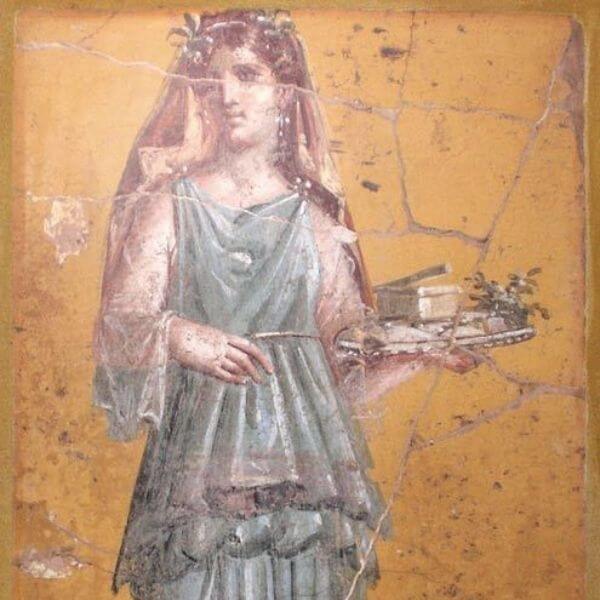
In ancient Greece, beauty was as much a philosophy as it was a practice. Olive oil was their liquid gold—used to moisturize skin, smooth hair, and add a subtle sheen worthy of a marble statue. Honey, rich in antibacterial and hydrating properties, became a natural face mask, while sea salt worked as an exfoliator to keep skin radiant under the Mediterranean sun.
Today’s twist: Swap the amphora for a pantry jar—an olive oil and sea salt scrub can rival any store-bought exfoliant, and a simple honey mask still delivers that legendary Grecian glow.
Rome: Wine Baths and Kohl Eyeliner
The Romans approached beauty with the same flair they applied to architecture—grand, indulgent, and not without influence from other cultures. Wine baths were more than luxurious soaks; the antioxidants in wine were believed to promote youthful, supple skin.
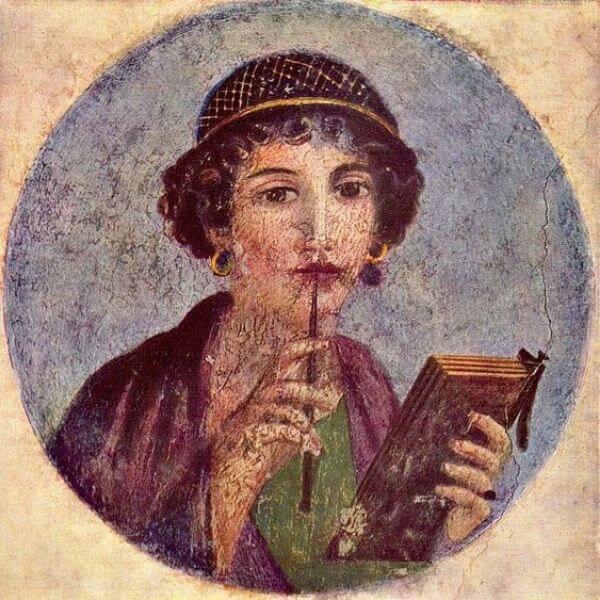
While much of their cosmetic inspiration came from ancient Egypt, they admired and adopted the dramatic kohl-lined eyes popular in Egyptian and Middle Eastern traditions. In Rome, this style became a sign of status and allure, blending exotic influence with local fashion.
Today’s twist: Instead of filling your tub with Merlot, opt for skincare with grape seed extract or resveratrol. And that kohl eyeliner? Still just as dramatic, still just as timeless.
Egypt: Milk and Honey Baths and Red Ochre
No beauty history would be complete without Egypt, where Cleopatra set the gold standard for skincare. Her milk and honey baths were more than royal indulgence—the lactic acid in milk gently exfoliated, while honey nourished and hydrated. Red ochre, ground into a fine powder, doubled as lip and cheek tint, offering a natural flush centuries before the invention of blush.
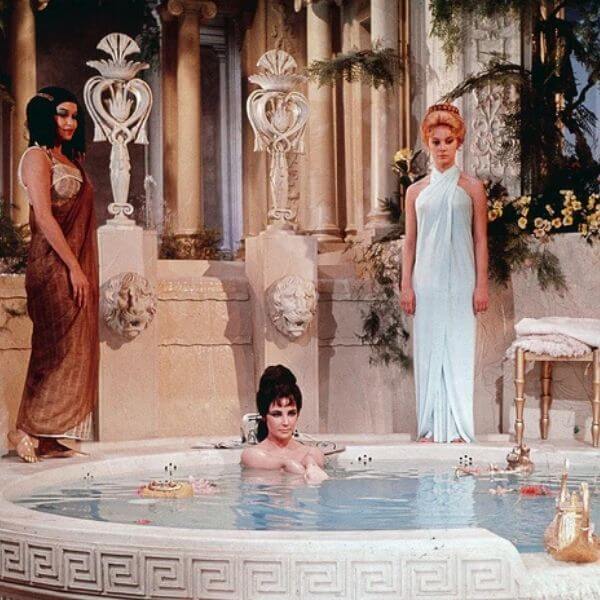
Today’s twist: Treat yourself to a milk and honey soak, or try a clean beauty lip and cheek tint to channel a bit of Cleopatra’s flair—sans pyramid backdrop.
The ancient Egyptians may have been the world’s first beauticians. And they were experts not only in beauty secrets but also in fragrances. Such that the oldest known perfume in the world belongs to them. Read now The Kyphi: The Aromatic Elixir of the Nile.
India: Turmeric and Henna
In ancient India, turmeric wasn’t just a spice—it was a sacred beauty staple. Mixed into a paste, it soothed skin, brightened the complexion, and kept blemishes at bay. Henna, with its rich reddish-brown hue, decorated skin in intricate designs for weddings and festivals and doubled as a natural hair dye.
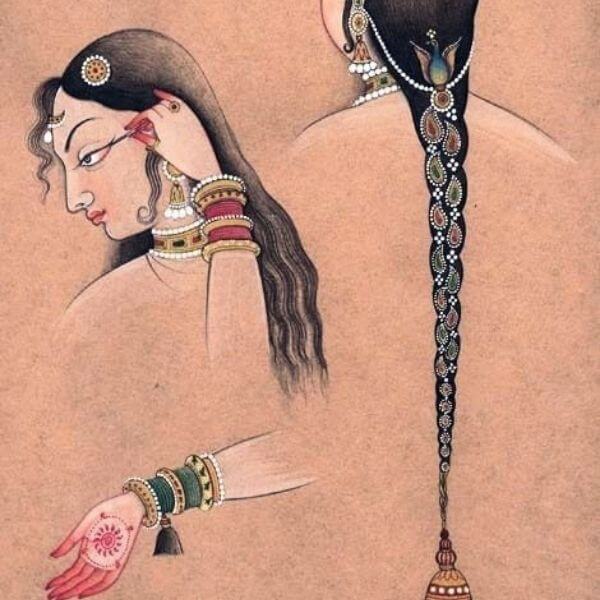
Today’s twist: Turmeric face masks have gone global, and henna still reigns for temporary body art and chemical-free hair color. Whether for self-care or celebration, these traditions remain as vivid as their pigments.
Henna, too, continues to be a popular choice for temporary body art and a natural alternative to chemical hair dyes. Whether you’re looking for a radiant complexion or a touch of artistic adornment, these ancient Indian beauty practices offer time-tested wisdom.
China: Rice Water and Pearl Powder
Chinese beauty traditions prized luminous skin centuries before glass skin was a trend. In ancient China, women used rice water to cleanse their faces, as it is rich in vitamins and can brighten and smoothen the skin. They also used pearl powder, made from crushed freshwater pearls, for its skin-brightening properties and to protect the skin from sun damage.
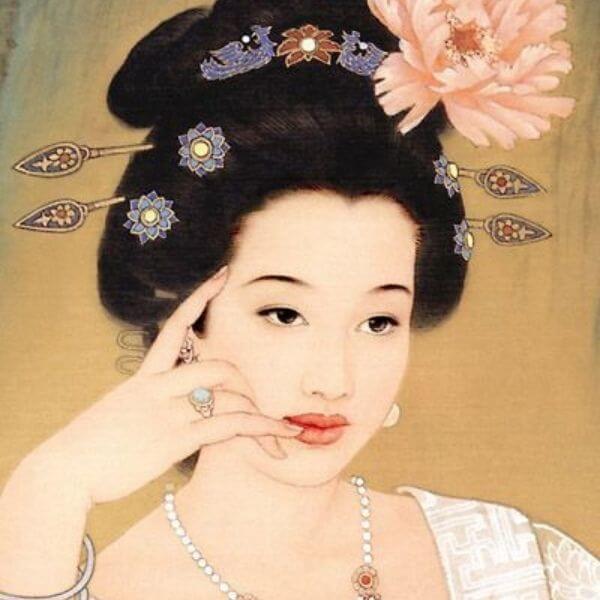
Today’s twist: Rice extract-infused skincare is easy to find, but you can also make rice water at home. As for pearl powder, it’s still used in masks and creams for that soft-focus glow worthy of a porcelain vase.
Japan: Nightingale Droppings and Sake Baths
Japanese Geishas had a unique approach to skincare. They used nightingale droppings, which contain enzymes that break down dead skin cells and cleanse the skin. As for sake baths, the high fermentation of sake helps to remove toxins and brighten the skin.
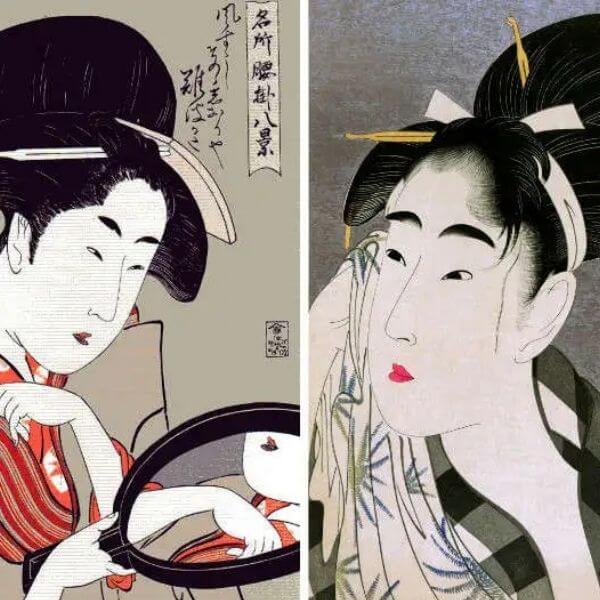
Today’s twist: Modern skincare has adopted these unusual practices, and you can find sanitized nightingale-dropping facial treatments in high-end spas. If you’re up for a sake bath, remember to use it diluted, and enjoy the detoxifying properties of this ancient Japanese practice.
There you have it, beauty mavens! A grand tour of ancient beauty practices, from the familiar to the downright unusual. These timeless secrets from our ancestors remind us that nature offers a wealth of ingredients for our beauty rituals. And while we may not all be ready to adopt Geisha skincare in its entirety, it’s fascinating to see where today’s trends have their roots.
So, whether you’re slathering your face with a turmeric mask, soaking in a milk and honey bath, or braving a sake soak, remember: beauty is a ritual, a moment of self-love that transcends time and culture. Until our next beauty adventure, stay radiant, stay curious, and stay beautiful!