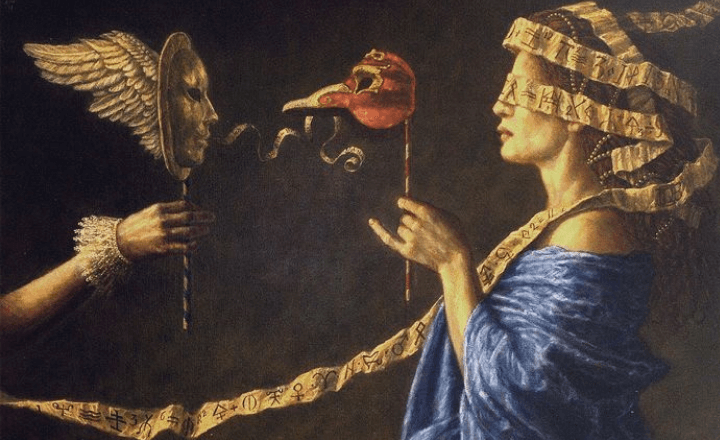
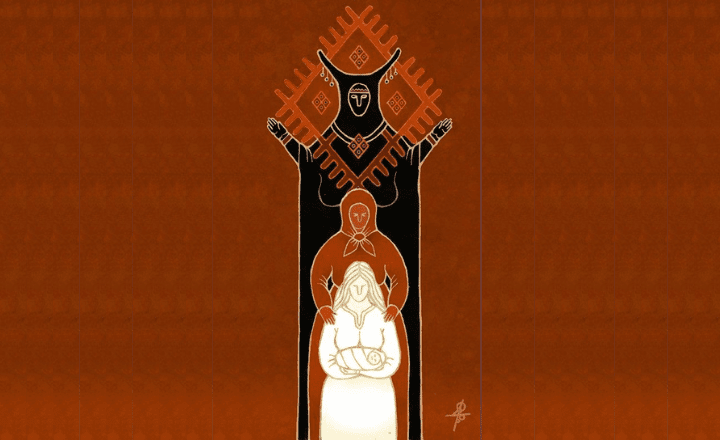
Ever felt like there’s a deeper, wilder part of you waiting to be reclaimed? In the realms of mythology and psychology, three goddesses hold the keys to that forgotten part of the self: Lilith, Inanna, and Hecate. Each embodies a distinct archetype of transformation. Each offers a different path through the shadow work. And together, they form a triad for anyone brave enough to face what lies beneath the mask.
If you’re doing shadow work or exploring goddess spirituality, understanding how these deities connect—and how to work with them—can turn your self-reflection into ritual.
Who Is Lilith in Mythology and Psychology?

Goddess Lilith originates in Mesopotamian mythology and later Judaic folklore, where she’s portrayed as Adam’s first wife—the one who refused submission and chose exile over obedience. Over time, she became a symbol of the outcast, the sexually autonomous woman, and the defiant shadow self.
In astrology, Black Moon Lilith marks the place in your birth chart where shame lives—where you were told you were “too much.” It’s the energy that reveals your primal instincts and unfiltered truth. That’s why shadow work with Lilith involves facing the very traits you’ve been taught to suppress: rage, desire, voice, chaos.
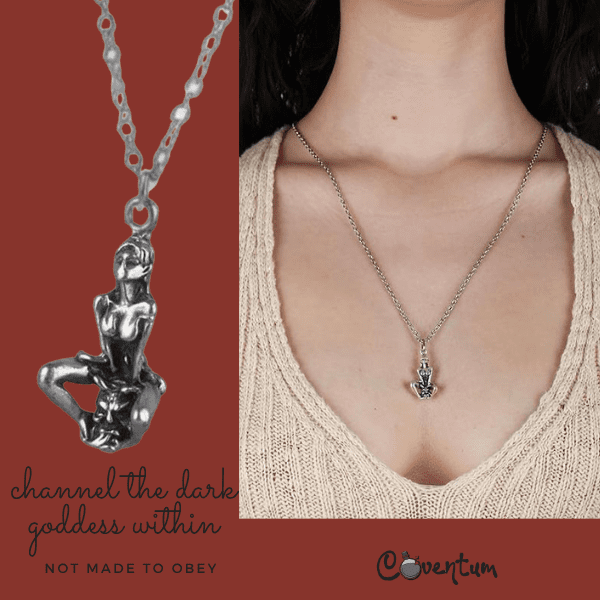
Ready to stop hiding the wild? Our Lilith Necklace, part of the Shadow Collection, is a bold silver talisman showing a goddess enthroned on her own demon. A reminder that your darkness is not a flaw—it’s where your fire lives.
Is Lilith Also Inanna?
Lilith and Inanna are often mentioned together, but they are not the same figure. Yet they are deeply connected.
Inanna, the Sumerian goddess of love, war, and power, is most famous for her descent into the underworld. In the ancient myth, she passes through seven gates, shedding her royal garments and symbols of status at each stage until she is left naked in front of her sister Ereshkigal—her shadow.
While Inanna is not Lilith, the act of meeting her own darkness resonates deeply with the Lilith archetype. In psychological terms, Inanna’s journey is the ego willingly entering the unconscious to integrate its shadow—a full-blown Jungian transformation narrative.
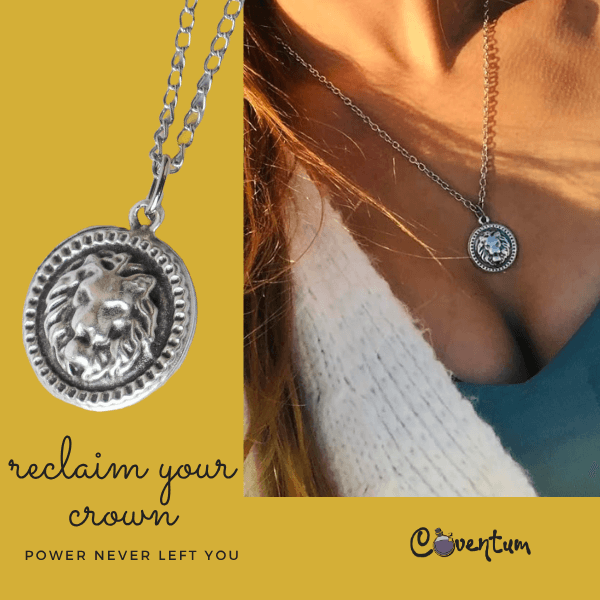
To channel Inanna’s strength, wear her symbol. Our Lion Coin Pendant, inspired by the lion who guarded her temples, is a timeless piece for reclaiming feminine power after the fall. For those emerging from darkness, this is your crown.
What Is Hecate’s Role—And How Does She Relate to Lilith?
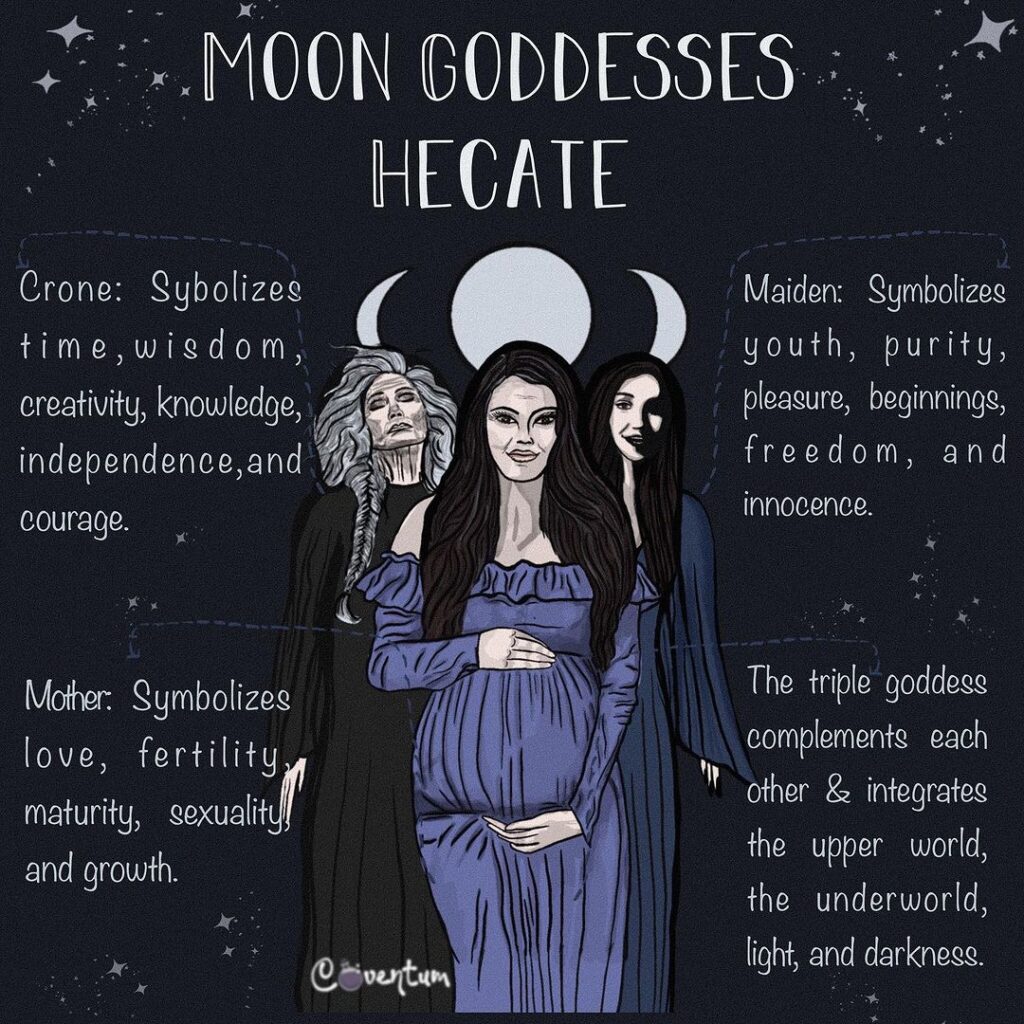
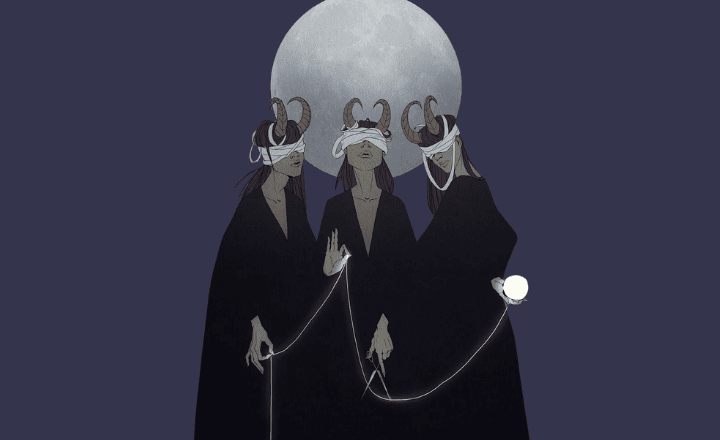
Hecate, the Greek goddess of magic, crossroads, and thresholds, is often seen as a dark goddess—but not because she’s evil. She rules over transitions: birth and death, beginnings and endings, seen and unseen. She is the guardian of liminal space—of what is becoming.
While Lilith lives in the shadow and Inanna journeys through it, Hecate stands at the gate. In Jungian shadow work, she embodies the conscious choice to evolve. Working with Hecate means learning to live with paradox, to hold space for your own uncertainty, and to trust that you can walk into the unknown.
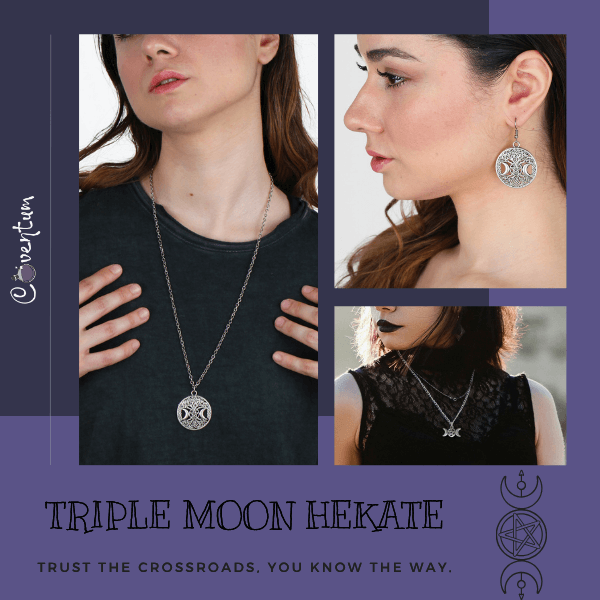
If you’re standing at a life threshold, call on Hecate. Coventum Triple Moon Necklace and Hecate pendant Earrings, inspired by her threefold moon symbol, embody the cyclical wisdom of maiden, mother, and crone. Wear them when you’re ready to trust your inner witch.
Working with Goddesses in Shadow Work
Wondering how to actually work with these archetypes?
Here’s how they align through the lens of Jungian shadow integration:
| Goddess | Archetype | Shadow Work Theme | Ritual Suggestion |
|---|---|---|---|
| Lilith | The Outcast | Reclaiming shame, rage, and sexual power | Write down your taboos. Say them out loud. Wear your truth. |
| Inanna | The Queen in Descent | Ego death, vulnerability, and renewal | Meditate on what you’re shedding. Light a candle for each “mask.” |
| Hecate | The Threshold Keeper | Decision-making, liminality, transformation | Stand at a crossroads and speak your intention aloud. Ask for a sign. |
🜃 Each of these goddesses invites a different part of your psyche to awaken. When you work with them intentionally—through journaling, ritual, or even symbolic jewelry—you are not just calling on myth. You’re calling on yourself.
Is Hecate and Lilith Compatibility Real?
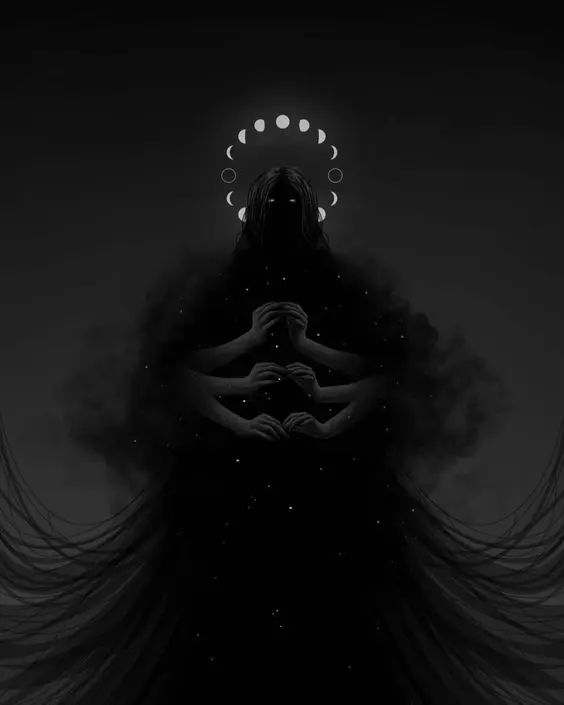
Are Hecate and Lilith the same person? Short answer: No. But they are compatible. Deeply.
Lilith challenges you to confront your truth. Hecate helps you walk through the fire once you’ve seen it. Their energy is not about blending—it’s about balancing. The defiance of Lilith, guided by the wisdom of Hecate, creates alchemical transformation.
That’s why working with Lilith and Hecate together is so powerful for shadow work.
Choose Your Guide. Wear Her Power.
These goddesses aren’t here to make you comfortable. They’re here to help you remember who you were before the world told you who to be.
Whether it’s Lilith’s rebellion, Inanna’s descent, or Hecate’s crossroads—your journey is sacred.
🜃 So who walks with you? Choose your archetype. Wear her symbol. Begin.