From Goddesses to Ghosts: Did Matriarchy Ever Really Exist, or Did We Just Dream It?
Once upon a pagan time, goddesses reigned supreme. From Inanna to Ishtar, from Kali to the divine mothers of South America, powerful female archetypes danced through the myths of ancient civilizations—many of which had never met or even heard of each other. Somehow, the collective unconscious whispered the same thing: women were once divine.
But then… came the fall.
Were We Ever Ruled by Women?
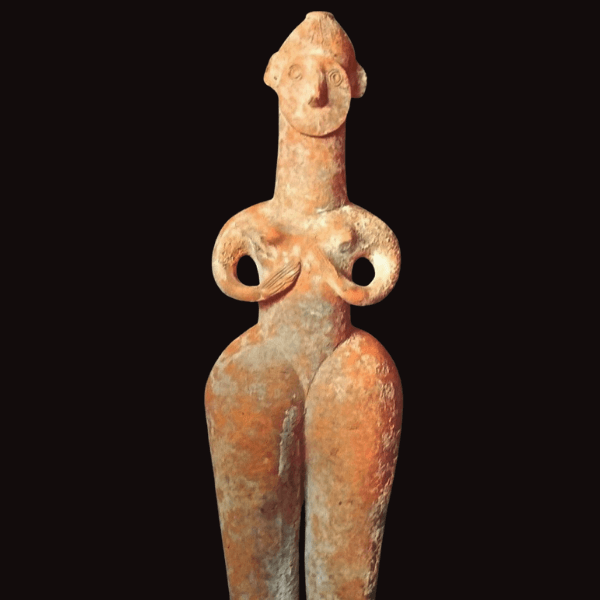
When exactly did patriarchy stage its coup? Was there ever a matriarchal utopia to begin with—or are we romanticizing clay statues and fertility totems?
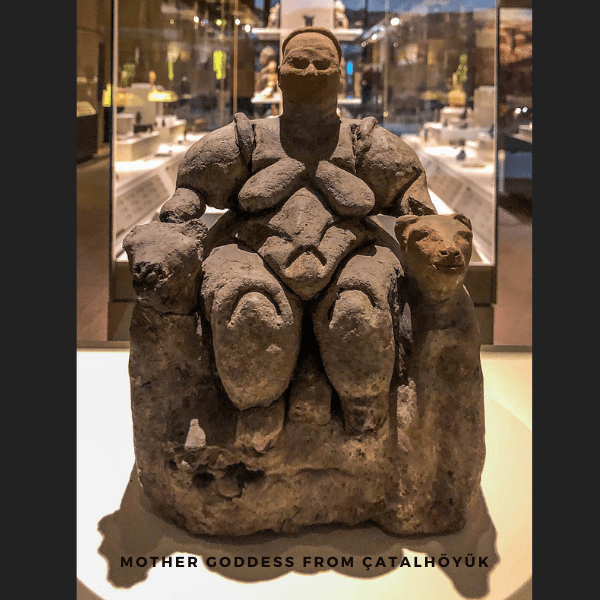
One of the first to seriously ask this was Johann Jakob Bachofen, a 19th-century Roman law scholar who, in 1861, dropped a little bombshell titled Mother Right. Based on archaeological digs in places like Çatalhöyük and early European settlements, he suggested that society once honored matriarchal structures, worshipped mother goddesses, and lived in balance—before patriarchy bulldozed its way in.
Friedrich Engels, Marx’s buddy and a bit of a feminist-before-it-was-cool, ran with this theory. In The Origin of the Family, Private Property and the State, Engels proposed that gender equality existed in hunter-gatherer communities because private property didn’t. But once agriculture showed up with its fences and family inheritance lines, women became assets—owned, transferred, and silenced.
Hello, patriarchy. Hello, law codes.
From the Draconian laws of Greece to the Hammurabi codes of Babylon, women slowly transformed into walking dowries—traded between fathers and husbands. Just like in Margaret Atwood’s The Handmaid’s Tale, their roles shrank to reproduction and housework. Sexy.
Goddess Figurines or Fertility Totems?
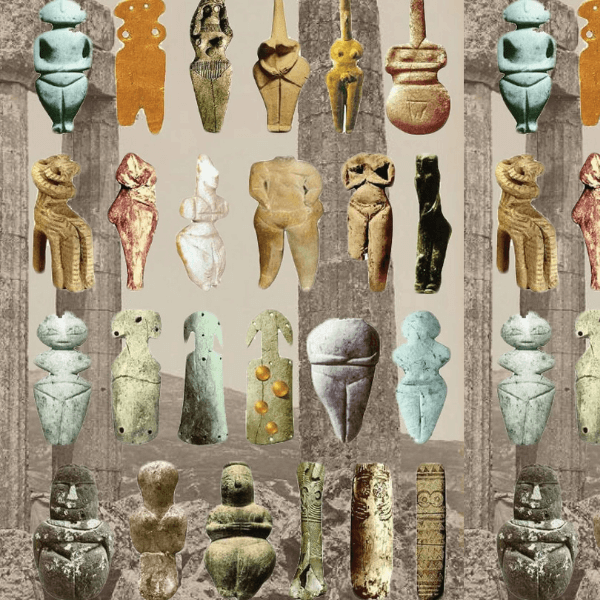
Sure, these theories sound poetic, but let’s not get too misty-eyed. Modern feminist archaeologists point out that we don’t have solid evidence of a true matriarchy. We interpret the goddess figurines as signs of female power—but they might’ve just been ancient lucky charms begging for safe childbirth in times of terrifying infant mortality.
Today, there are still a few nomadic and non-capitalist societies—like certain groups in Uganda—where women are leaders, shamans, and caretakers of wisdom. But even there, we don’t see full-blown matriarchy. Respect? Yes. Dominance? Not so much.
Women in Ancient Civilizations: Between Thrones and Thresholds
Take Ancient Egypt, often hailed as progressive for its time. Compared to its contemporaries, Egyptian women had more legal rights—they could inherit property, get educated, and even divorce their husbands. Sounds great, right?
Kind of.
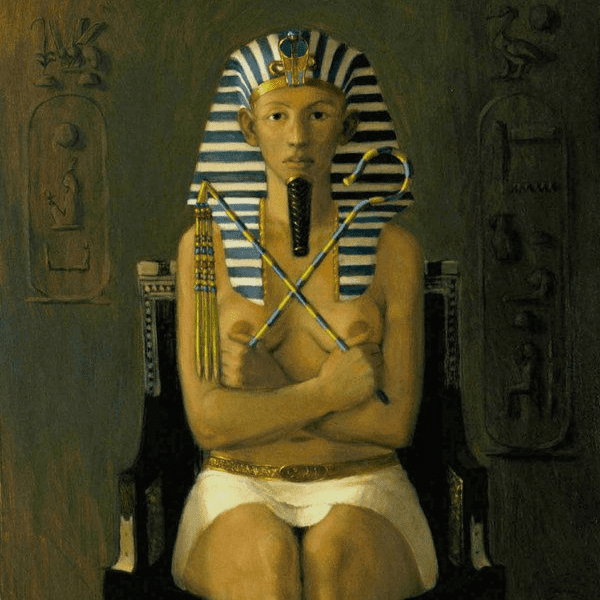
These privileges mostly applied to elite women. The majority, like their Greek and Roman sisters, had little say in how they lived.
Consider Pharaoh Hatshepsut: the OG queen who ruled like a king. So much so that she started donning male clothing and even the ceremonial false beard. Why? Because power, apparently, looked better in a tunic than a dress. To command respect, she had to perform masculinity.
Logic, Democracy… and Misogyny
Now hop over to Ancient Greece—home of democracy and philosophy, but also home to some of the worst PR women ever got.
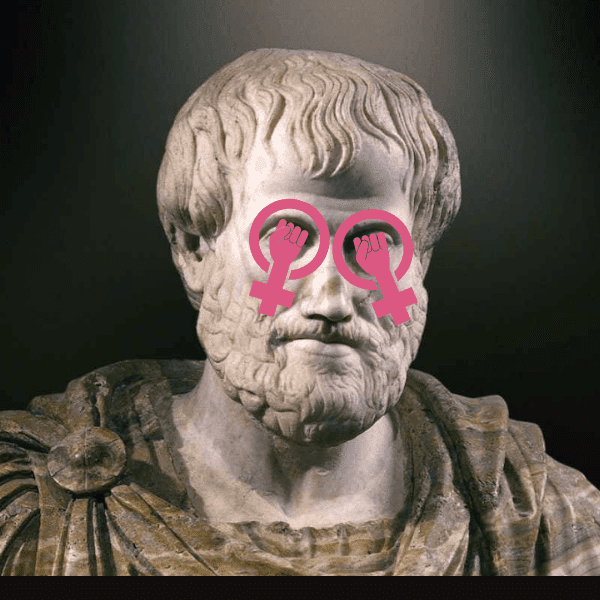
Let’s talk Aristotle. Yes, he gave us logic and categories and the golden mean. But he also said women were “incomplete men”—biologically, intellectually, and spiritually inferior. A dagger to the feminist soul, truly. His views would echo for centuries, carved into both philosophy and theology.
When the Church Met the Patriarchy
Enter religion.
As Aristotle’s ideas spread, Church fathers like St. Augustine and St. Thomas Aquinas ran with them. They didn’t just agree—they canonized them. Thus, patriarchy became not just a societal structure but a divine mandate.
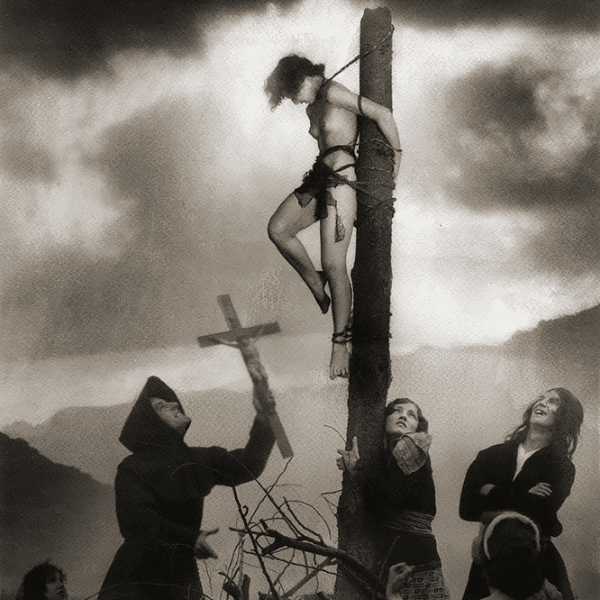
And so the “fallen woman” trope was born.
Menstruation was deemed dirty. Female desire was dangerous. Women became symbols of temptation, sin, and shame—the original bad apple incident was pinned on Eve, after all. From the Middle Ages to modern folklore, this idea never really left.
Plato’s Mixed Messages and the Roman Rewrite
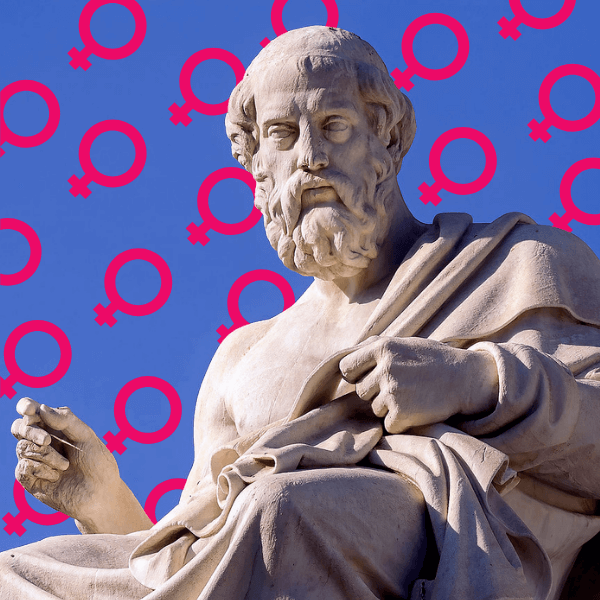
Plato, to his credit, offered a sliver of hope. In The Republic, he wrote that women could be philosopher-kings if given the same education. Thank you, Plato. But then he turned around in Timaeus and claimed that women were emotionally unstable. So… mixed messages, as usual.
In Rome, women sometimes rose to positions of power—but when they did, male historians were quick to label them as “conniving witches” or “corrupt seductresses.” Surprise, surprise.
Over and over, powerful women were slandered not for what they did, but for daring to do it at all.
What the Bones Whisper: The Missing Goddess Theory
And yet, the clues we find in ancient bones often speak louder than myths.

Studies of ancient skeletal remains—including from Çatalhöyük and similar Neolithic sites—reveal something startling: women’s bodies often carried more wear and tear than men’s. Their teeth were more worn, likely from chewing fibrous grains. Their spines and joints showed greater signs of repetitive strain.
Translation? Women were doing the hard labor. The heavy lifting. The literal grinding.
So, were goddesses truly ruling the world—or just surviving it?

The divine feminine may have always been more symbolic than structural—an image of power, not a reality. The statues could have honored women not because they ruled, but because their strength was essential, expected, and unrelenting. They weren’t worshipped for dominance, but for endurance—for carrying what no one else would.
Or… maybe there really was a time when women led. And maybe they still didn’t trust men to do it right, so they did everything themselves anyway.
Either way, when we look back through myth and bone, one thing becomes clear: even if women weren’t officially crowned, they were already running the world.
✨ To be continued, here...
References:
- Cambridge University Study, PMC Journal Article
- Science – ”Prehistoric women’s manual work was tougher than rowing in today’s elite boat crews”
- University of Cambridge – “Prehistoric women’s manual work was tougher than rowing in today’s elite boat crews” (Cambridge Research News)
- JSTOR – “Woman’s Share in Neolithic Society”