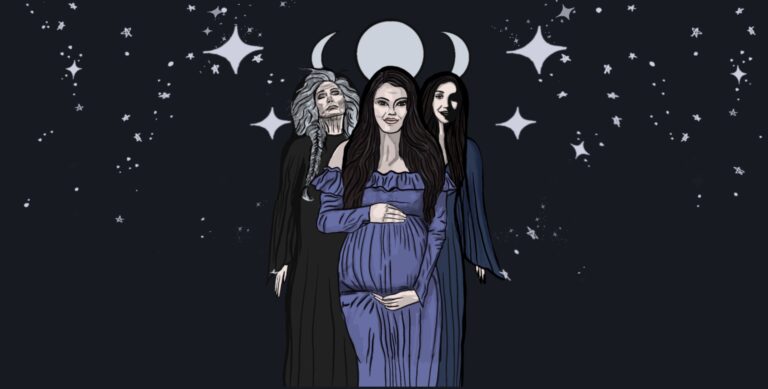
Were we ever truly faithless? If you take even the briefest glance at human history, you’ll notice a pattern: belief has always been at the heart of our lives. These days, we live in an age where flat-earthers and devout skeptics share the same public forums, but this diversity is a modern luxury. In the ancient world, belief wasn’t optional—it was woven into every aspect of life. People built temples so grand and mysterious that we still struggle to understand them, all in honor of their gods.
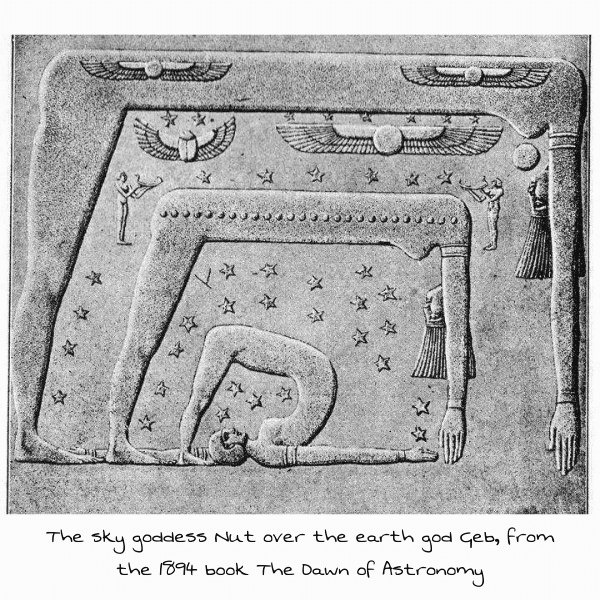
So here’s the question: was there ever a time when humans lived completely without belief? The evidence suggests otherwise.
Belief Was Never Optional
From the Neolithic era—and even earlier in the Paleolithic—we see traces of belief systems. Neanderthal burials included flowers, bones, and symbolic objects. Whether consciously or unconsciously, early humans felt the urge to assign meaning to death.
It makes you wonder: is belief not just cultural, but neurological? Could it be a kind of reflex? Just as the body flinches to protect itself, the mind seems to reach instinctively toward belief—to cope with uncertainty, to ease the existential weight of death.
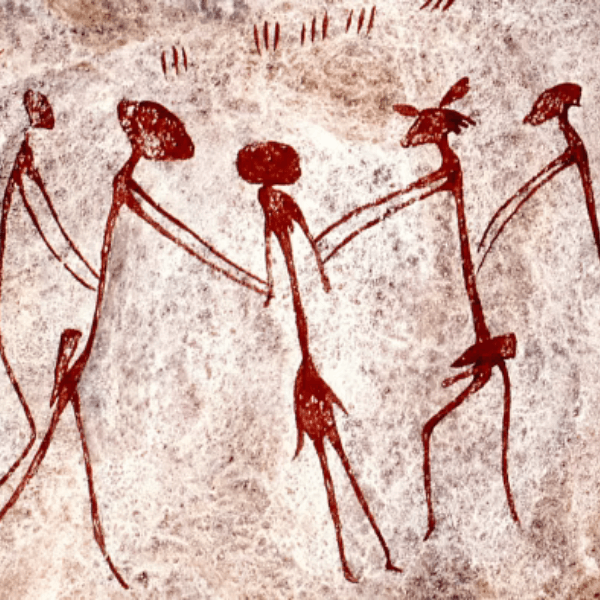
If belief is our brain’s default setting, what need does it serve? Is it driven by fear—or the hunger for meaning?
Short answer: both.
The first is death. All living things die, but only humans ask, “Then what?”—or worse, “Why live at all, if we die?” Enter belief. The second is the relentless human craving for meaning. From the moment we looked at the sky or a mountain and wondered, “What does it mean?” we’ve been filling in the blanks with imagination. And that imaginative force—left unchecked—gave rise to belief.
Animism: A Way of Being
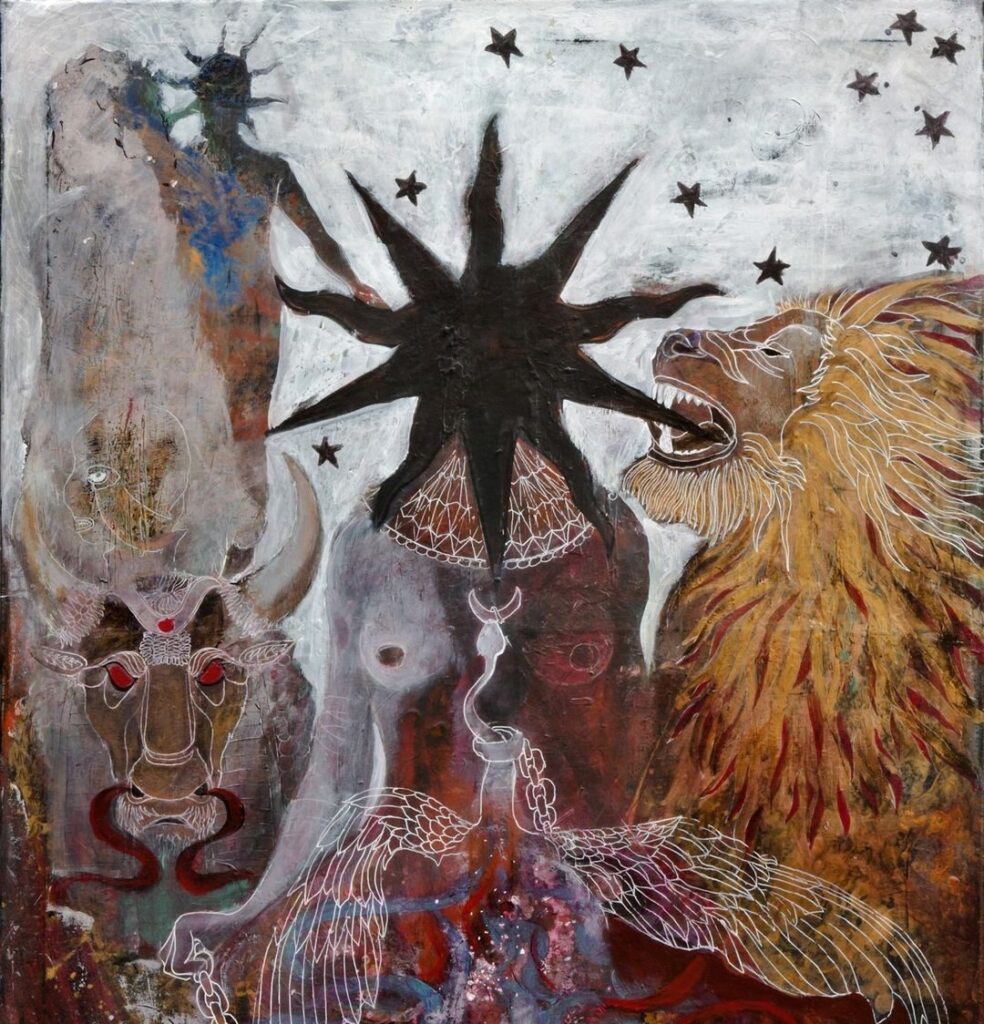
One of the earliest belief systems was animism. But calling it a “religion” barely scratches the surface. Animism is an ontological worldview—a way of existing in relationship with the sacredness of nature.
It’s not just about thinking “everything has a spirit.” It’s about living as though the forest, the sky, and even the wind were part of your extended family. Early humans didn’t see themselves as separate from nature. Nature was sacred. Life-giving. And their relationship with it was not only functional but also spiritual.
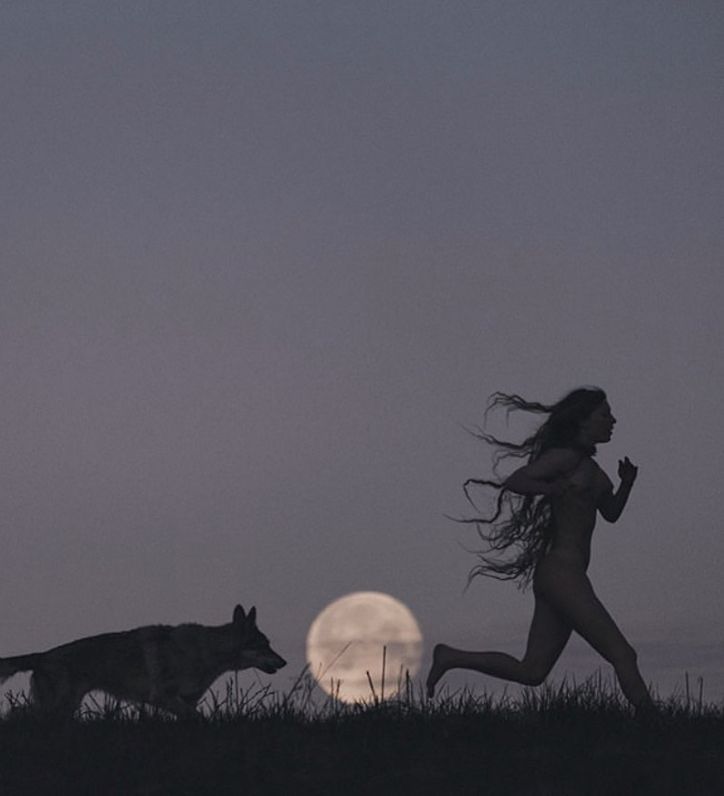
Modern humans, however, have severed this tie—and in doing so, may have severed something deeper. As Jung put it, to lose touch with nature is to lose touch with ourselves. Or as Nietzsche more dramatically put it, we have killed God.
The Mind of the First Believers: Between Wonder and Madness
It’s crucial to understand that early human consciousness wasn’t like ours. The mindset of Paleolithic and Neolithic humans could almost be likened to someone with obsessive or schizophrenic tendencies—not in a clinical sense, but in how intensely and irrationally they experienced the world.
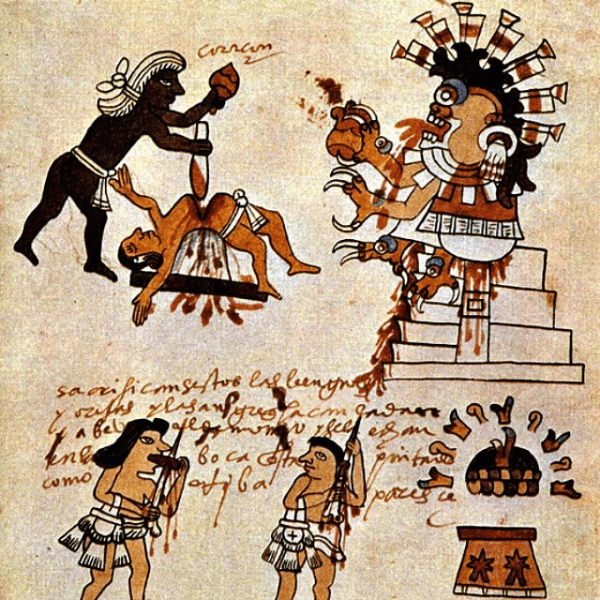
Imagine not knowing why the sun rises, why storms come, or why the ground shakes. You need an explanation to survive—so you invent one. That desperate improvisation is the birth of mythology.
Mythology: A User Manual for the Unknown
Myths weren’t just bedtime stories. They were survival tools—etiologies for the inexplicable. Archaeological finds show that talismans and ritual objects were commonly placed in liminal spaces like doorways and windows—thresholds, where the unknown might intrude. These areas were scary, so people crafted protections: symbols, rituals, charms.
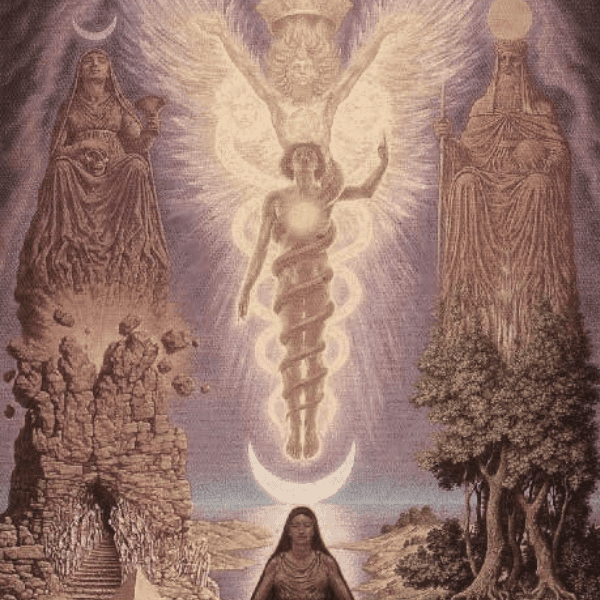
Fast forward to today, and we’re still hanging horseshoes by the door and wearing protective amulets. Different trappings, same purpose.
Therapy Before There Was a Word for It
Rituals weren’t just mystical performances. They were ancient mental health practices—coping strategies before Freud, before yoga, before even language. The fear birthed by the unknown could be paralyzing. Rituals helped humans regain a sense of control.
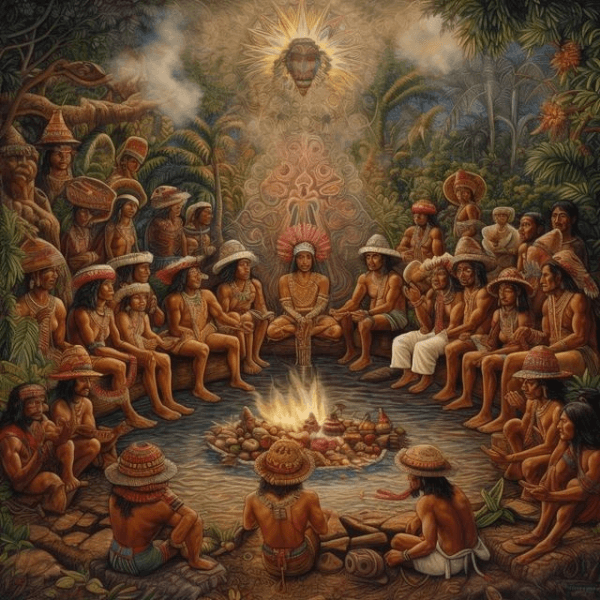
And that function hasn’t changed. From burying tokens in a grave to knocking on wood or lighting a candle, we’re still performing rituals. Only now we call them “habits,” “coping mechanisms,” or “mindfulness routines.”
In essence, rituals have always been our first line of defense against the overwhelming—and they still are.

Ready to Go Deeper?
This is just Part 1 of our dive into the roots of human belief. In future chapters, we’ll explore ancestor worship, afterlife mythologies, and the rise of gods from natural forces. But for now, remember this: