Among all the gemstones, few captivate both the eyes and the psyche like the amethyst stone. Its violet glow has followed humanity for millennia — from the crowns of emperors to the meditation altars of mystics. More than a jewel, it’s a keeper of balance: between intellect and intuition, chaos and clarity.
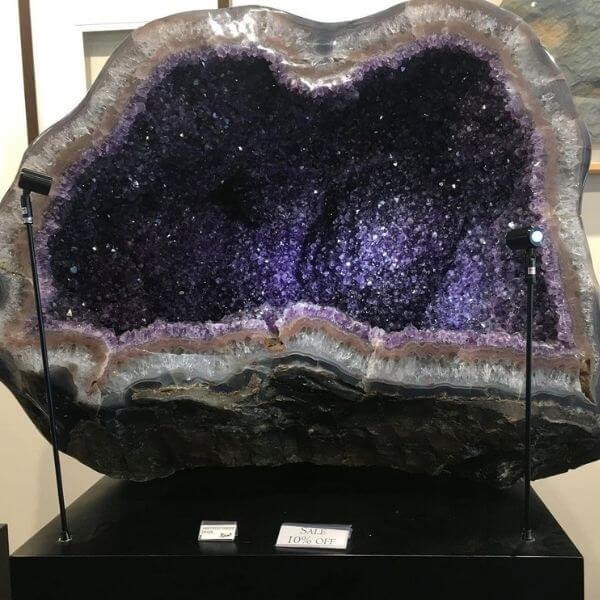
Let’s descend into the depths of this February birthstone, and see why the world still turns to its purple light for calm, clarity, and quiet power.
The Meaning Behind the Amethyst Stone
The name amethyst comes from the Greek amethystos, meaning “not intoxicated.” Ancient Greeks carved their wine cups from this crystal, believing it could protect them from drunkenness — a poetic metaphor for staying sober-minded amid life’s excesses.
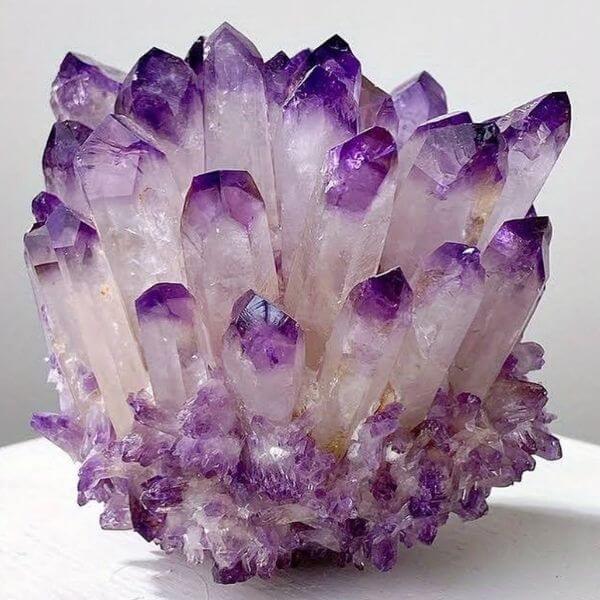
Across cultures, amethyst meaning has always revolved around clarity, wisdom, and protection. Egyptians buried it with their dead to guard their souls on the journey beyond. Medieval monks used it as a symbol of divine intellect. And in modern energy work, it’s known as the crystal of spiritual protection — one that shields from negative influence and strengthens the aura.
So when someone asks what is the meaning of wearing amethyst, the answer reaches far beyond aesthetics: to wear it is to walk with awareness, sobriety, and grace.
The Energy It Holds
Amethyst belongs to the quartz family, but what sets it apart is its frequency. Its deep violet hue corresponds to the crown chakra — the energy center that governs consciousness and spiritual connection.
This is why energy healers say the amethyst crystal benefits both mind and spirit:
it quiets the racing thoughts, encourages meditation, and connects the wearer to a higher sense of order.
In short, when people wonder what energy do you get from amethyst, the simplest answer is serenity — but serenity with a pulse. It’s not passive calm; it’s the steady rhythm that lets you move through chaos without losing your center.
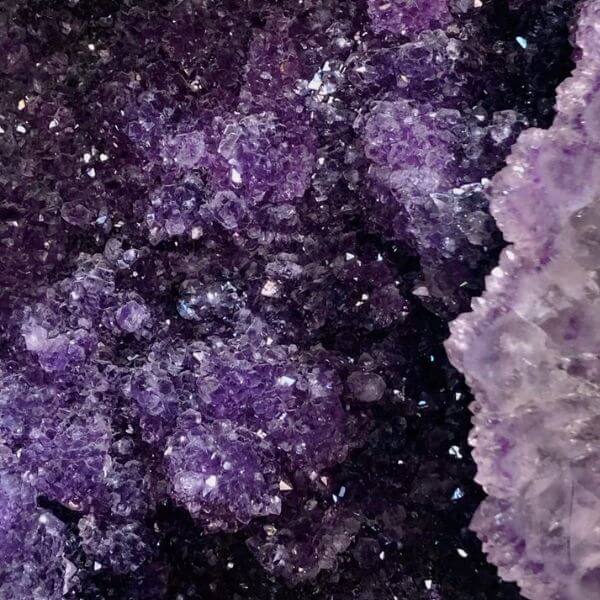
Healing Properties and Benefits of Amethyst
Like all quartz, amethyst amplifies and purifies energy, but its violet ray gives it unique qualities. Below are the ways people have long used and loved it — not as medical advice, but as ancient-meets-modern ritual.
1. Emotional Detox
Known for centuries as a natural tranquilizer, amethyst is believed to soothe anxiety, emotional tension, and overthinking. It helps release what’s heavy — resentment, guilt, or grief — and clears the fog that follows intense emotions.
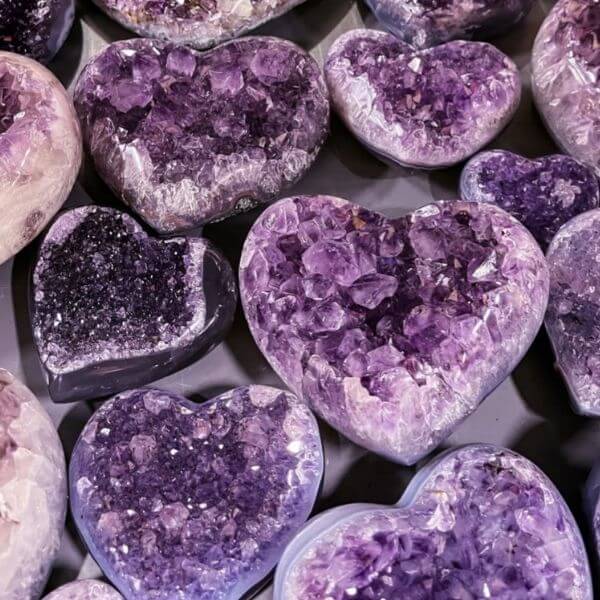
2. Protection Against Negativity
If you’ve ever asked what can amethyst protect you from, folklore offers a clear answer: it guards against psychic attack, envy, and energy vampires. In modern terms, think of it as a spiritual noise-cancelling device — tuning out mental clutter and external drama.
3. Physical Restoration
Ancient healers associated it with the endocrine system, the blood, and the nervous system. Contemporary crystal users often keep it nearby to ease headaches, encourage better sleep, and restore hormonal balance.
4. Sleep and Dreams
Place an amethyst stone or cluster near your pillow and its cooling energy is said to calm the nervous system, helping with insomnia and nightmares. The purple hue vibrates with stillness — perfect for a moonlit bedside companion.
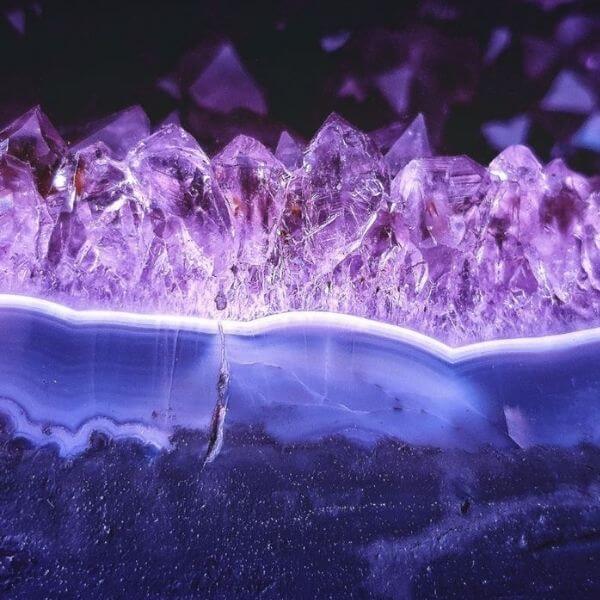
5. Focus and Creativity
Writers, artists, and students love amethyst for its mental clarity. It’s the gem of “just enough order”: not rigid logic, but inspired discipline — the sweet spot where structure meets imagination.
How to Use Amethyst for Healing and Growth
The beauty of amethyst lies in how easily it integrates into daily life. Here’s how to align with it without turning your routine into ritual theater:
• Wear it close to your pulse
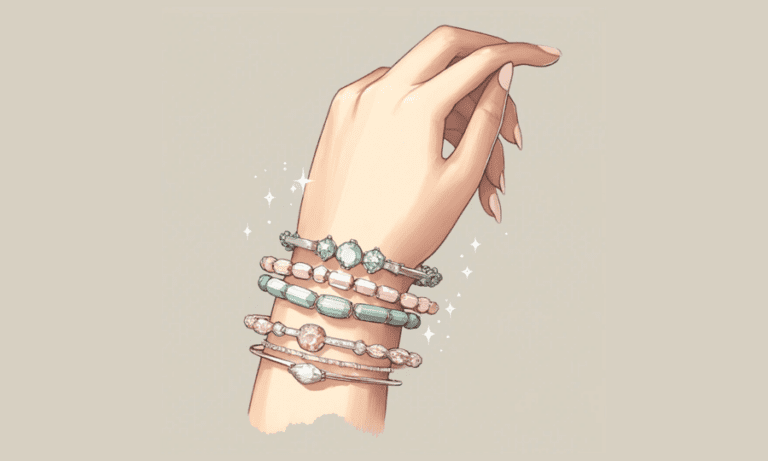
An amethyst pendant near the heart can help stabilize emotions, while earrings or crowns (yes, even headbands count) bring clarity and insight. Wearing it daily builds what spiritualists call “energetic resonance.”
• Keep one where you unwind
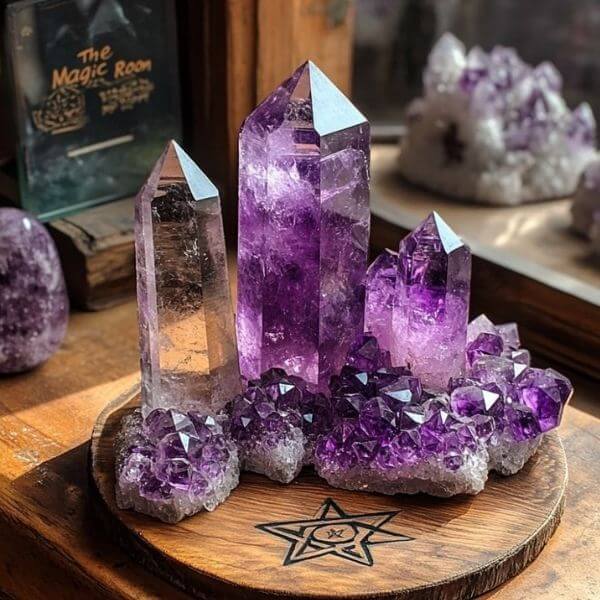
Place an amethyst cluster on your desk to filter the energy of your workspace. By your bed, it transforms restless nights into reflective silence. In the bath, a few crystals along the rim can make the steam feel like a violet cloud.
• Cleanse and recharge regularly
Because amethyst absorbs negativity, it deserves periodic care. Rinse it in cool water, smudge it with sage, or let it bask under moonlight. Recharging restores its frequency and, symbolically, reminds you to reset your own.
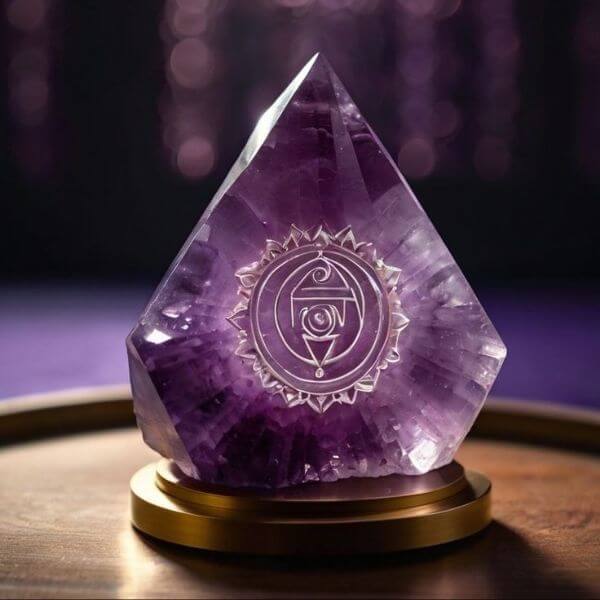
The Power Within: Why Amethyst Is So Powerful
So, why is amethyst so powerful? Because it bridges the worlds of science and spirit.
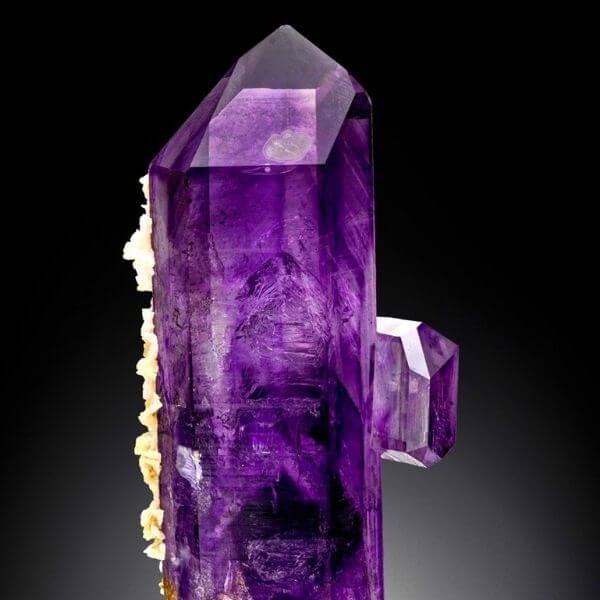
Mineralogically, its purple color comes from traces of iron irradiated within clear quartz — a literal transformation of light. Spiritually, that transformation mirrors our own: turning pressure, fire, and time into insight.
This dual nature — physical and metaphysical — makes amethyst a favorite among alchemists, therapists, and mystics alike. It’s the stone of transmutation: pain into peace, chaos into clarity, habit into wisdom.
Amethyst and Abundance
Though most people associate green stones with money, amethyst has long been linked to abundance — but not just financial. Its energy clears the mind, aligning you with decisions rooted in intuition rather than impulse. Business leaders and spiritual entrepreneurs alike place it near their ledgers for focus and fairness.
In other words, amethyst doesn’t promise wealth; it encourages the mindset that attracts it.
Who Should and Shouldn’t Use It
Can you wear amethyst every day? Yes — in fact, steady exposure strengthens its balancing effect.
However, for those prone to emotional numbness or lethargy, too much amethyst energy might feel overly sedating. It’s a stone of calm, not stimulation. Pairing it with something fiery, like carnelian or citrine, restores equilibrium.
Remember, crystals amplify intention. The key is awareness, not dependency.
Shades, Value, and Authenticity
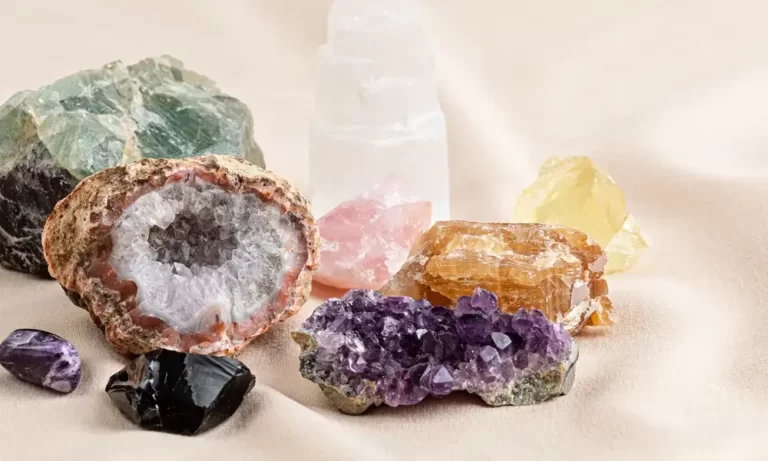
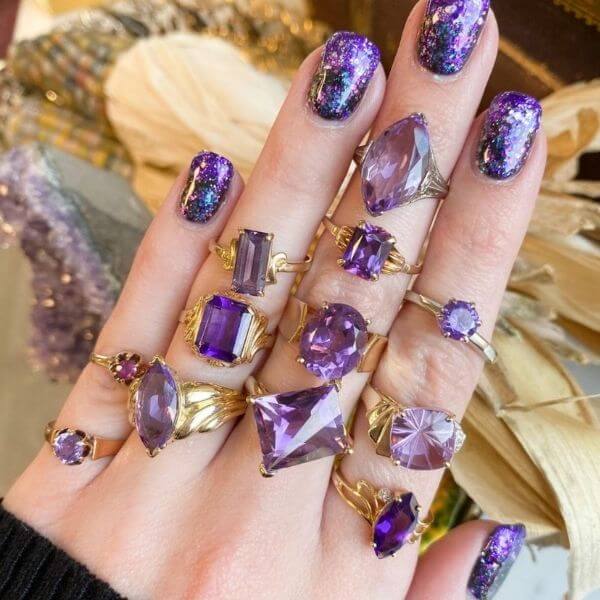
From pale lilac to royal plum, amethyst stones vary widely in hue. The deeper the color, the higher the value — but metaphysically, every shade carries the same core energy of purification.
Natural stones come from Brazil, Uruguay, and Zambia; synthetic versions exist too. If you’re buying an amethyst pendant, look for richness of tone and even saturation. And yes — darker doesn’t always mean better; it’s about resonance, not rarity.
The Birthstone of February
As the official February birthstone, amethyst has long been associated with people born under Aquarius and Pisces — signs known for intuition, creativity, and emotional depth. Wearing your birthstone, lore says, strengthens your innate gifts.
But amethyst’s appeal transcends zodiac charts; it’s universal calm, bottled in violet light.
The Ritual of Activation
Before using any amethyst, many practitioners recommend “waking it up.” Hold the stone in your hand, breathe slowly, and set an intention — clarity, courage, rest, whatever your season requires.
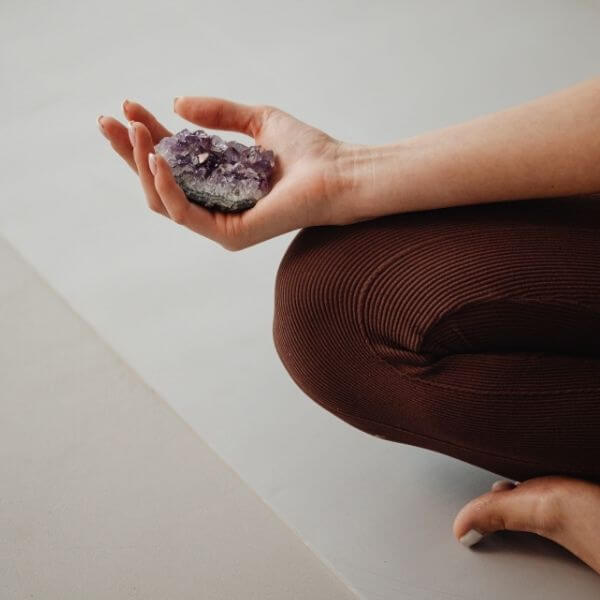
Cleansing and charging methods vary, but the principle is ancient: when you program the crystal with your will, it becomes an extension of your energy. That’s why amethyst uses aren’t just metaphysical — they’re psychological tools for mindful living.
Closing Reflection
The amethyst is not a promise of perfection; it’s an invitation to balance. It doesn’t erase pain — it refines it. Its color, born of light trapped in mineral, teaches that even within pressure, something luminous grows.
Wear it, meditate with it, sleep beside it — but above all, let it remind you that serenity isn’t absence of noise, it’s harmony within it.
In the language of stones, amethyst whispers: You are already whole — just remember your rhythm.
References:
- “Amethyst Healing Properties and Uses in Alternative Medicine” — Healthline. Healthline
- “The Science Behind Amethyst and Its Healing Effects” — blog yazısı. acharyaganesh.shop
- “Amethyst Meaning, Healing Properties, and Powers” — HowStuffWorks. HowStuffWorks