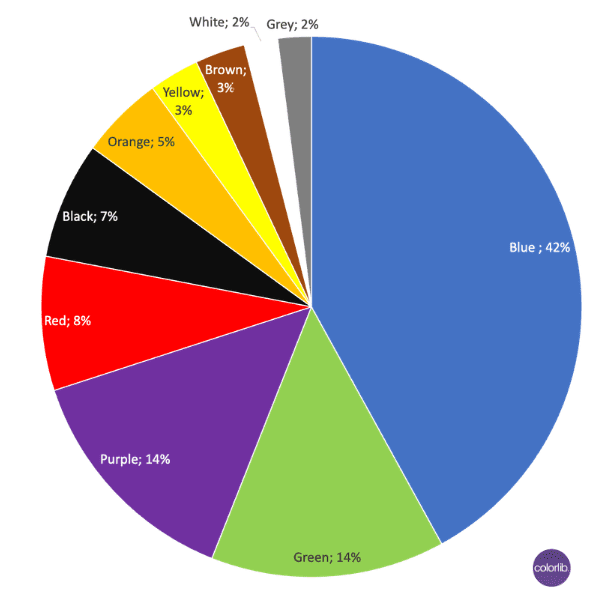
What’s your favorite color? Chances are, yellow is not. Statistics suggest only about 3% of people choose it as their top pick. For a color that mirrors sunlight, warmth, and illumination, that’s surprisingly low.
So what happened? How did the color of the Sun become the color we instinctively hesitate around?
Not Quite Gold
Here’s the strange part; yellow is the color of gold. And gold has never suffered from a branding problem.
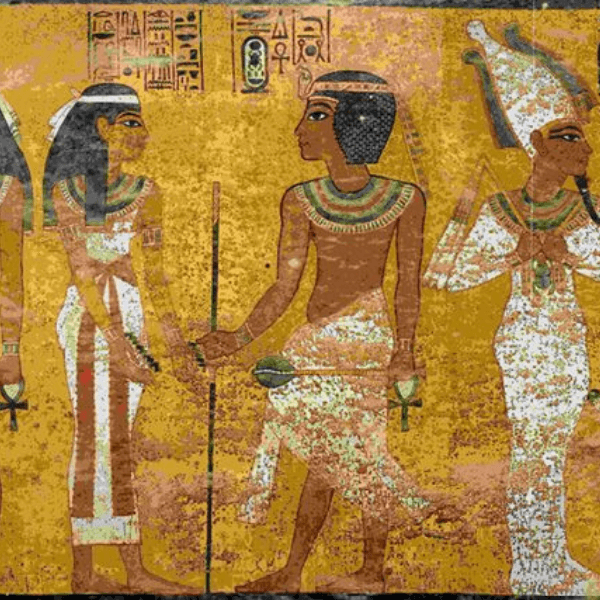
Gold signifies wealth, sacredness, divinity. It frames halos in Byzantine icons, crowns emperors, and glows in illuminated manuscripts. In ancient Egypt, yellow and gold symbolized eternity and the flesh of the gods. In imperial China, yellow was reserved exclusively for the emperor.
And yet—remove the metallic sheen, strip away the sacred context, and yellow becomes something else entirely. Suddenly it feels excessive. Loud. Suspicious.
Goethe once described yellow as cheerful and pleasant in light, but quick to turn unpleasant in shadow. It is perhaps the most unstable of colors. A slight dullness, a drop of gray, and it shifts from radiant to sickly.
Biology reinforces this tension. Yellow marks bile, infection, bruising, decay. It signals warning. It hints at something expelled or contaminated. Even at a physiological level, yellow often communicates caution rather than comfort.

It stands right beside gold—close enough to feel like a counterfeit. And maybe that’s where the discomfort begins.
The Color of Betrayal
During the Middle Ages, color operated as moral shorthand. Artists used pigment as propaganda. While gold sanctified saints, yellow marked suspicion.
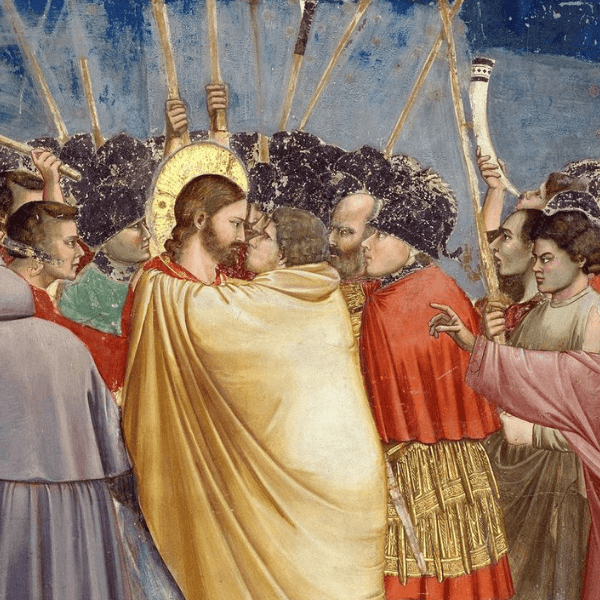
In countless medieval and Renaissance paintings, Judas Iscariot appears wearing yellow robes. The color coded him instantly: betrayal, corruption, treachery. You see it in Giotto’s frescoes, in Duccio’s Last Supper, in numerous manuscript illuminations. The choice wasn’t random. Yellow became visually synonymous with disloyalty.
Over time, the symbolism expanded. In European folklore and literature, yellow often dressed cowards and tricksters. Even in later centuries, “yellow-bellied” entered language as shorthand for cowardice.
One color—two extreme archetypes: illumination and treason. That tension stuck.
Yellow and Historical Exclusion
Yellow also became a tool of enforced visibility.

In parts of medieval Europe, Jewish communities were required to wear identifying yellow badges—long before the infamous yellow star imposed by the Nazi regime centuries later. In 1215, the Fourth Lateran Council formalized regulations that forced Jews in many Christian territories to wear distinguishing marks, often yellow circles or patches.
The goal was not symbolism. It was segregation. Yellow also marked religious division in other contexts. In certain regions, Protestant homes were painted or marked with yellow signs to make them identifiable. The color functioned as social labeling—public and unavoidable.
When a color becomes a mechanism of exclusion, it carries that weight forward. Yellow didn’t choose this history. But history chose yellow.
The Psychological Edge of Yellow
Color psychology offers another layer to this story. Yellow stimulates the nervous system more than most colors. It increases mental activity, sharpens attention, and can even elevate heart rate. In moderate doses, it inspires optimism and clarity. In excess, it overwhelms.
This is why yellow appears in warning signs, hazard labels, and caution tape. It grabs attention instantly. It refuses to be ignored.
At its healthiest, yellow supports confidence, intellect, and personal power—the solar plexus chakra in many symbolic systems. It represents self-definition, agency, and identity.
But too much brightness feels exposing. Light reveals. And revelation isn’t always comfortable.
What Does Yellow Mean Spiritually?

Spiritually, yellow symbolizes illumination and conscious awareness. It is the color of the Sun—the center of identity, clarity, and life force.
Even in tarot, yellow frequently appears in cards linked to awakening and vitality, such as The Sun and The Fool. It signals presence. Consciousness. The moment light replaces confusion.
Which makes its darker historical uses even more striking. The same color that represents enlightenment was once used to mark betrayal and exclusion. Perhaps because illumination does one uncomfortable thing very well: It reveals.

The Color Is Not Guilty
So here we are. A color that represents sunlight, enlightenment, and vitality—yet carries centuries of suspicion, exclusion, and moral coding.
Maybe the problem isn’t yellow. Maybe it’s that yellow exposes contrast too clearly. It sits at the threshold between brilliance and discomfort and demands purity. Yellow may magnify flaws, but it shines without apology.
And historically, anything that shines too brightly gets reinterpreted. Yellow is not unstable. It’s honest. And perhaps what we resist is not the color—but what it illuminates.