What’s your favorite unexplained human glitch? Here is one: You’re standing on a high cliff. Or on the deck of a ship in open water. Or at the edge of a tall building. And suddenly, without warning, a thought appears: What if I jump?

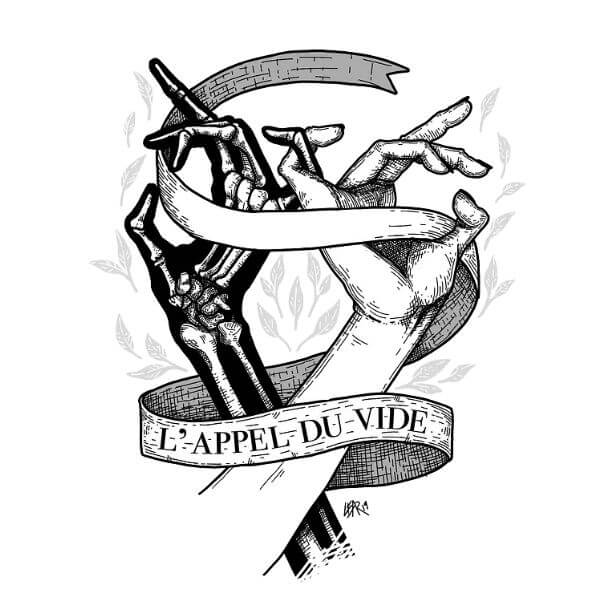
You don’t want to die. You’re not planning anything. The thought doesn’t even feel intentional. It flashes and disappears. Psychology calls this experience l’appel du vide—“the call of the void.” You can say, it is a strange side effect of being human.
At its simplest level, this is a protective reflex. The brain briefly simulates danger to reinforce what not to do. Call it an ancient safety system. But what makes the moment unsettling isn’t the imagined fall. It’s the realization hiding underneath it.
When Autopilot Switches Off
Most of us live on autopilot. We move through routines, responsibilities, emotional patterns, and habits that feel stable because they are familiar. In a chaotic world, repetition feels safe.
But when we stand at the edge of something vast—an abyss, the open sea, an overwhelming height—our perception shifts. Scale changes. Routine pauses. Autopilot shuts down. And what emerges instead is something we rarely encounter so directly: pure will.
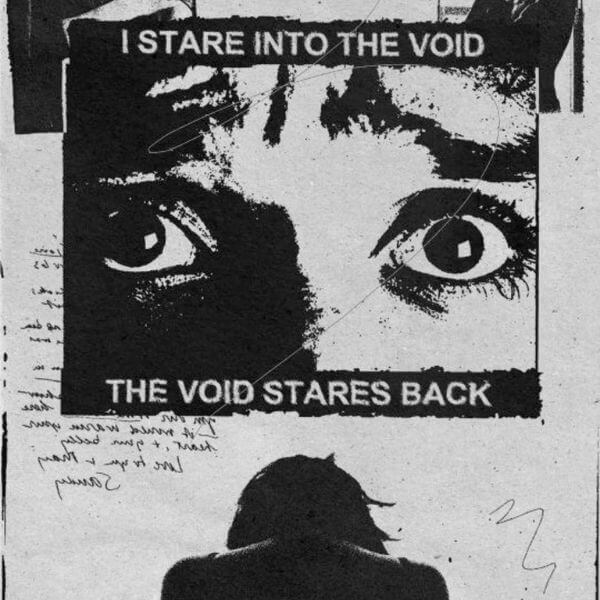
For a split second, we realize nothing is physically stopping us. We could jump. Not because we want to—but because we can. That awareness is destabilizing. The shock is not about death. It’s about agency.
Existential Vertigo
Existential philosophy has long recognized this sensation. Sartre famously suggested that vertigo is not fear of falling—it is fear of throwing oneself (1). The anxiety doesn’t come from gravity. It comes from radical freedom.
To realize that you are free is to realize that you are responsible. And responsibility feels heavier than fate.
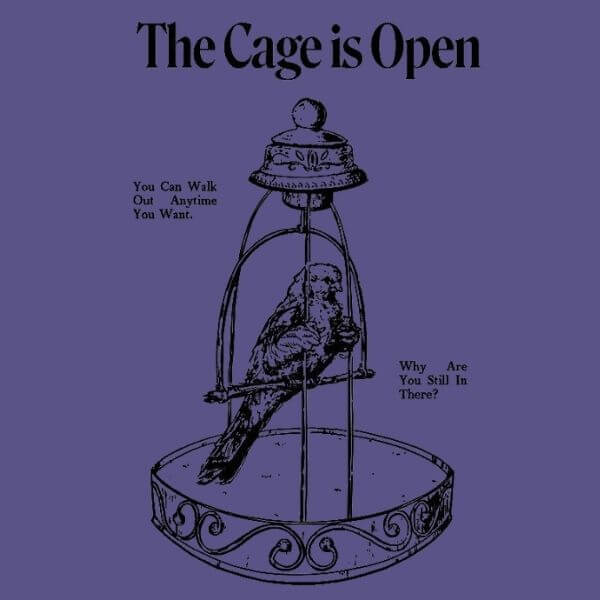
Having a path laid out for us often feels safer than having to choose one ourselves. The call of the void disrupts that comfort. It reminds us that our lives are not pre-written scripts. The structures we live inside—identity, routine, obligation—are constructions. And anything constructed can be altered.
Shadows and Burning the Towers
In Jungian terms, this moment resembles a crack in the persona. We often become trapped inside cycles of behavior and inherited beliefs simply because they are familiar. Over time, we mistake repetition for destiny. The call of the void exposes the possibility of rupture. It reveals the chains. And once you see them, you cannot fully pretend they aren’t there.
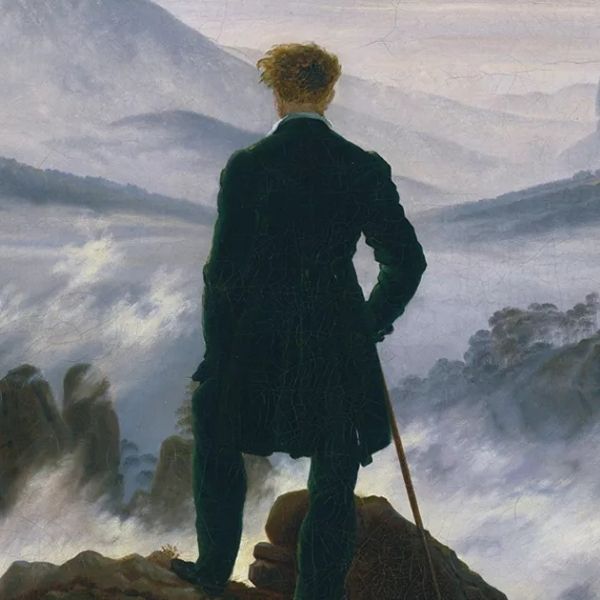
Symbolically, this aligns with a powerful Tarot sequence: The Devil, The Tower, and The Star. The Devil represents bondage—patterns we normalize and attachments we mistake for inevitability. The Tower shatters those structures, sometimes violently. The Star follows as clarity and renewal.
When you feel the call of the void, you are standing between The Devil and The Tower. You sense the confinement, recognize the possibility of collapse. You realize change is within your power.
The Fool at the Edge
Yet if one Tarot archetype captures this moment most precisely, it is The Fool.
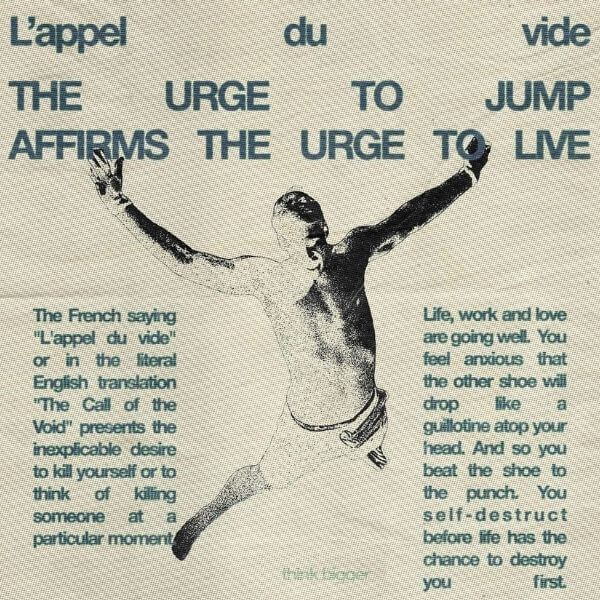
The Fool stands at the edge of a cliff, suspended between safety and possibility. This card represents zero—the starting point, the field of pure potential. Everything is possible from here. And that is exactly what makes it terrifying.
The call of the void is not a death wish. It is the sudden awareness that you could begin again. That you could step into something entirely new. That you have the agency to disrupt your own narrative.
The real question is not whether the leap exists. It’s whether you have the courage for a leap of faith. Because the void is not calling you to fall. It is reminding you that you are free.