They said no.
And that made them dangerous.
Not because they were violent, or cruel, or evil—
But because they were women who refused to play the role written for them.
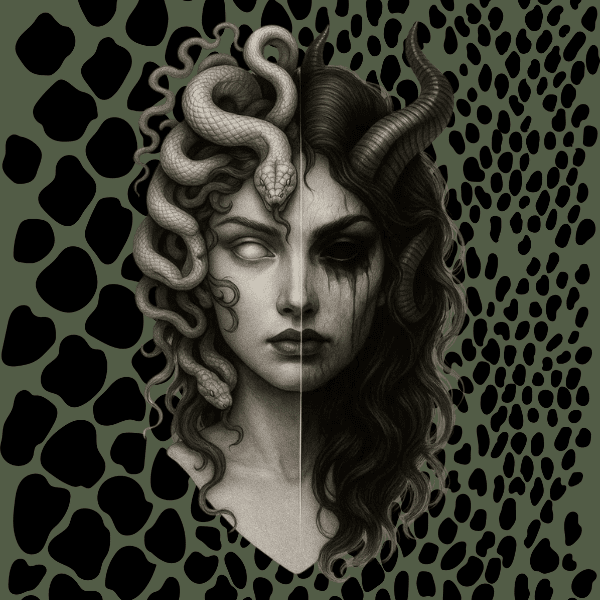
Lilith and Medusa are two of the oldest, most misunderstood feminine figures in mythology. One was exiled from Eden. The other was beheaded. Both have been cast as demons, monsters, and warnings. But today, we’re rewriting that script.
Let’s talk about the women who said no—and what that means for all of us.
Who Were Lilith and Medusa—Really?
We all know Eve. But long before her, there was Lilith.
According to Jewish folklore and Babylonian mythology, Lilith was Adam’s first wife. Unlike Eve—who was made from Adam’s rib—Lilith was created equal to him, from the same earth. And she acted like it. She refused to be subservient.
She refused to lie beneath Adam during sex—not because she was rebellious for the sake of it, but because she believed they were equals, created from the same earth. Adam, however, insisted on being on top—not just physically, but symbolically. When she demanded to be treated as an equal partner, he refused. And so did she. She argued. She walked away from Eden rather than surrender.
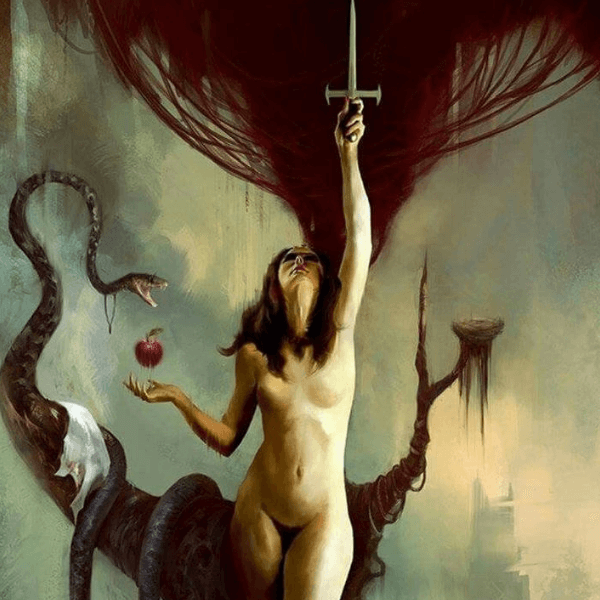
What followed was not redemption, but demonization. Lilith became a figure feared for stealing children, bringing disease, and seducing men. She was turned from woman to monster. Sound familiar?
Enter Medusa, the only mortal Gorgon in Greek mythology. In Ovid’s Metamorphoses, she’s described as a strikingly beautiful priestess serving in Athena’s temple—a sacred space meant to protect chastity and piety. But when Poseidon, the god of the sea, assaults her within those very walls, the divine response is far from just. Athena, rather than turning her fury toward the god who desecrated her sanctuary, punishes Medusa—transforming her hair into snakes and her gaze into a fatal weapon.
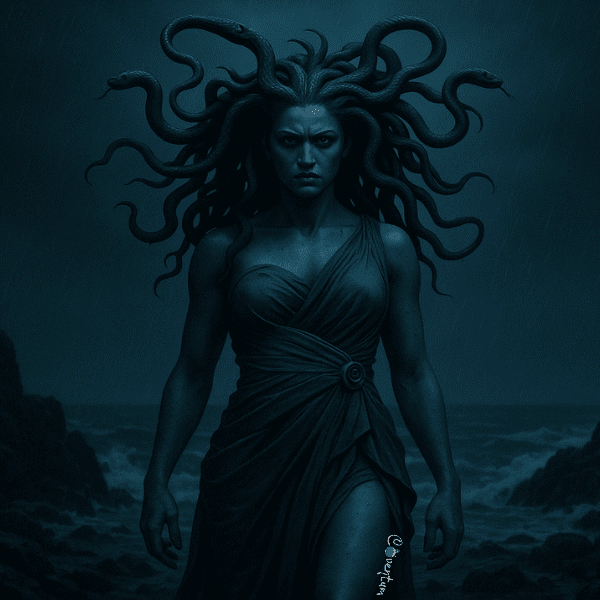
It’s one of the oldest stories of victim-blaming ever recorded. A woman violated, and yet it’s she who is punished, defaced, and exiled. Not the man with all the power. He walks away with his godhood intact. Yet, she becomes a monster.
From that moment on, she became the villain. The “monster.” The one men were warned not to look at.
The Price of Saying No
What was their crime?
Lilith said no to patriarchy.
Medusa didn’t say anything—but her very existence after the assault was inconvenient.
Both were punished not for action, but for disobedience. For existing outside the lines.
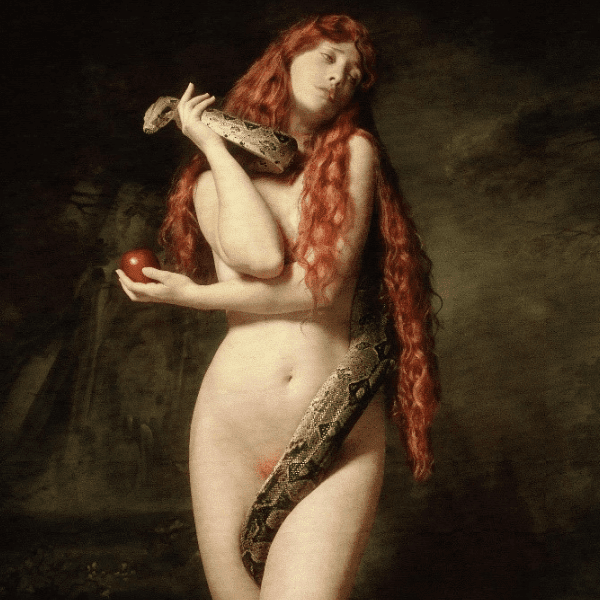
This isn’t just mythology. It’s pattern recognition. Across cultures and centuries, female figures who defy control become cautionary tales.
- Pandora opens the box and becomes the origin of all suffering.
- Eve eats the fruit and becomes the reason for exile.
- Women get burned for owning herbs, land, or knowledge.
The unspoken rule? If you don’t follow the script, you get rewritten as the villain.
The Psychology of the “Dark Feminine”

In Jungian psychology, Lilith and Medusa both embody the shadow feminine—the parts of womanhood that society represses: rage, sex, chaos, power.
Lilith dark goddess psychology defines her as the wild feminine—untamed, erotic, and self-sufficient. She doesn’t need saving. She doesn’t ask for love. She walks away from paradise.
Medusa is the mirror. She represents rage after trauma, silence turned deadly. Her snake hair is not just a punishment—it’s memory. It’s protection. It’s a warning.
Working With the Dark Feminine
You don’t have to just read about them. You can work with them. Both Medusa and Lilith offer powerful archetypal energies that can be integrated into personal rituals, journaling, creative work—or simply how you show up in the world.
Medusa’s Energy
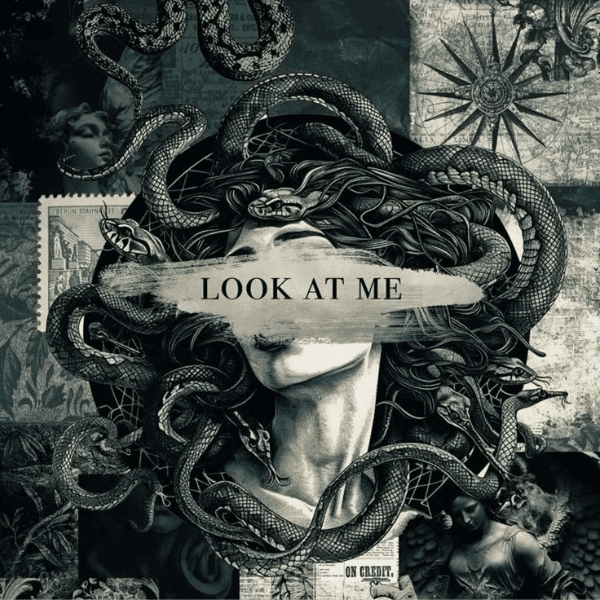
Medusa is the embodiment of boundaries, transformation, and rage reclaimed.
To work with her energy:
- Light a candle and write about what you’re no longer willing to stay silent about.
- Meditate on what you need to protect. What in you has been violated or dismissed—and what new power grew from it?
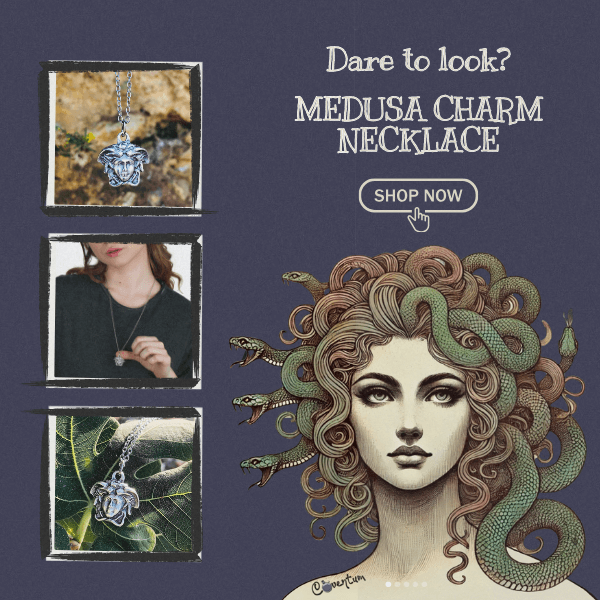
- Wear a Medusa pendant as a personal talisman. Let it remind you that your gaze, your anger, and your story are not something to hide. They are your shield.
Medusa teaches that even what others call monstrous can become sacred. She doesn’t ask for revenge—she demands that you never shrink again.
Lilith’s Energy
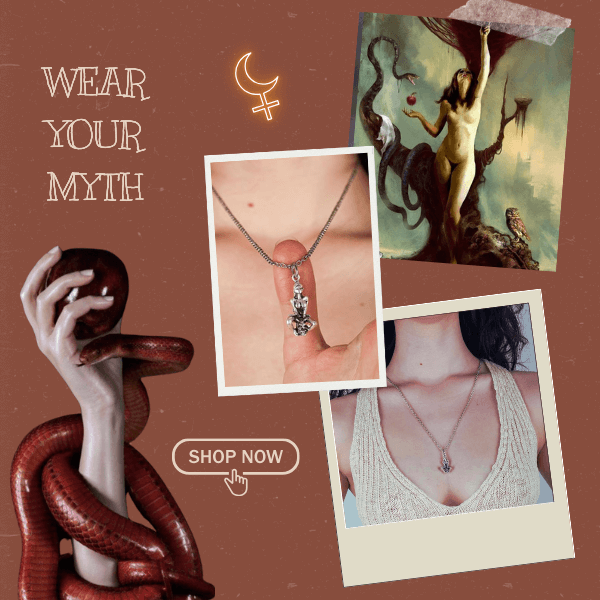
Lilith stands for autonomy, sexual and spiritual freedom, and the refusal to be tamed.
To channel her:
- Practice saying no—clearly, unapologetically.
- Reconnect with your body through movement, dance, or self-touch. Reclaim your pleasure.
- Write a list of ways you’ve been told to be “less”—then burn it.
- Adorn yourself with a Lilith necklace as a silent rebellion, a reminder that you are not made to kneel.
Lilith doesn’t return to Eden. She builds something wild in its place.
Sin, Shame, and the Female Archetype
What does the myth of Lilith and Medusa reveal about our cultures?
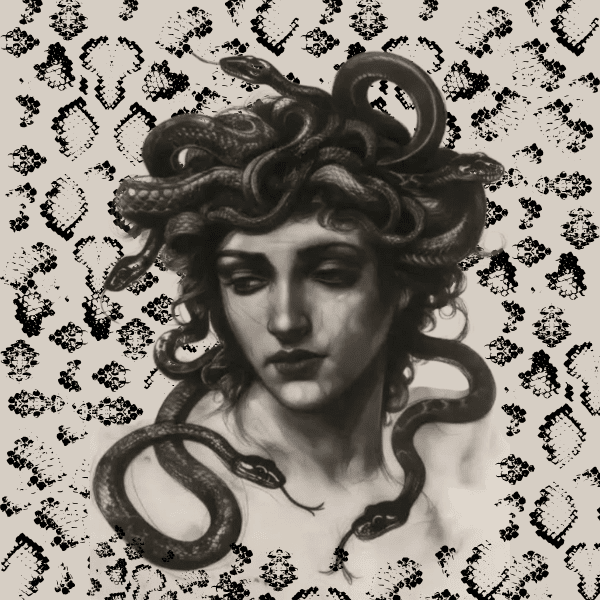
That we are uncomfortable with female power—unless it’s submissive, soft, or motherly. The moment it becomes erotic, wild, or angry, it’s labeled “evil.”
- Lilith’s “sin” was sexual autonomy.
- Medusa’s “curse” was surviving male violence.
Both stories echo throughout religion and folklore. In Christianity, women are blamed for the Fall. In Islam, Eve (Hawwa) is often held responsible for temptation. In witch trials, women were executed for stepping out of line—owning land, knowing medicine, or refusing a man.
This goes deeper than myth. It’s a structure. A recurring cultural narrative.
And yet… we keep finding power in their images. Because we see through the story now.
Lilith & Medusa as Feminist Icons
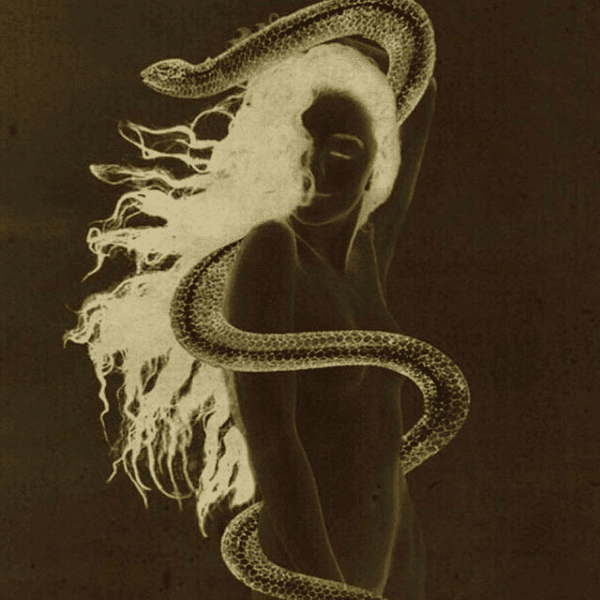
What is the feminist story of Lilith? She is no longer just a demon, but a symbol of refusal—of sexual and emotional independence. In art, she is sometimes nude, unashamed, surrounded by serpents or owls, wings spread.
And Medusa? Once a monster, now a symbol of protection and resistance. Her face was engraved on Athena’s shield, worn as an amulet to ward off evil. In modern feminism, she is the face of female rage, of victims made dangerous by injustice.
The Medusa head protection motif appears in temples, shields, and today—on necklaces worn like armor.
Wearing the Myth: Symbolic Jewelry and Personal Power
So what does it mean to wear a Medusa necklace or a Lilith pendant?
It’s not cosplay. It’s not just “edgy aesthetic.”
It’s choosing to carry a mythic shield—a reminder of survival, defiance, and dark feminine energy.
Wearing a Medusa necklace can symbolize turning your trauma into power, your silence into a gaze that sees everything. It can mean invoking protection—not from others, but from your past self. It’s the charm of “I survived—and I see you.”
Wearing a Lilith necklace taps into your wildness. Your autonomy. Your ability to walk away from anything that tries to shrink you. It symbolizes sexual freedom, creative force, and a refusal to play small.
In Coventum’s charm series, both Lilith and Medusa pendants are reminders of myth re-written.
Of women re-forging their stories.
Of choosing to wear what once was used to shame you—as a badge of power.
The Women Who Still Say No
Lilith and Medusa are not just ancient figures.
They are blueprints. Archetypes.
And in a world that still punishes women for being loud, angry, sexual, or disobedient—they are still relevant.
Whether you meet them in a story, a dream, or a pendant, remember this:
They were not destroyed because they were wrong.
They were destroyed because they were uncontrollable.
But even then—they were never erased.
They became symbols.
And symbols live forever.
Ready to carry their energy?
✨ Discover the Medusa Necklace – for those who face the world with open eyes.
✨ Explore the Lilith Pendant – for those who’d rather burn than bow.
References:
- Lerner, Gerda. The Creation of Patriarchy. Oxford University Press, 1986.
- Ovid. Metamorphoses, trans. David Raeburn. Penguin Classics, 2004.
- Hurwitz, Siegmund. Lilith: The First Eve. Daimon Verlag, 1992.
- Shelley, Percy B. On the Medusa of Leonardo da Vinci in the Florentine Gallery.
- Britannica. Medusa | Myth & Story
- Jewish Women’s Archive. Lilith
- Arcadia. “Off With Her Head!”: Medusa and Feminism