Throughout history, astrology has most often been treated as a tool of divination. We turned to the stars to understand ourselves, to seek answers, and—of course—to glimpse the future.
Yet in the Ottoman Empire, zodiac signs were not primarily used for fortune-telling. They were used for healing.
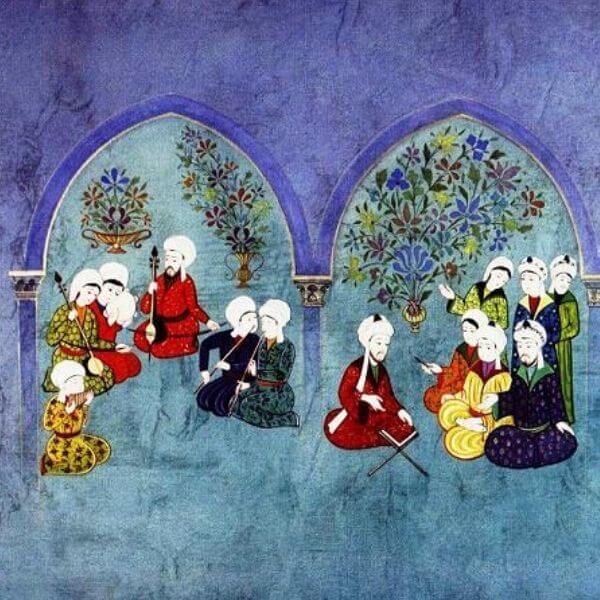
At a time when people with mental or emotional distress were marginalized across much of Europe, the Ottoman worldview approached the sky as a map of health—a guide to restoring balance between body, mind, and cosmos.
Healing the Individual, Not the Disease
One of the earliest examples of individualized treatment can be found in the Bayezid II Darüşşifası in Edirne. Here, patients did not receive standardized care. Instead, treatments were tailored to the individual—each person approached as a unique constellation of body, temperament, and spirit.
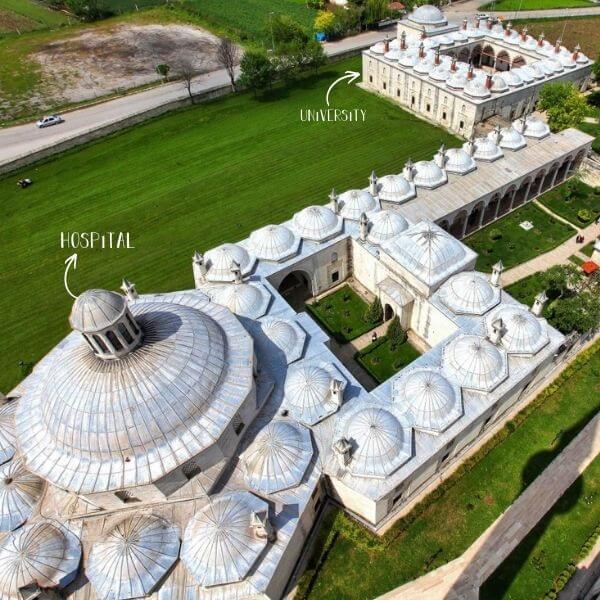
This was not experimental medicine. It was a sophisticated understanding of the human being as a system in relationship with the universe.
Complementary Medicine Before It Was Cool
Today, we are only beginning to rediscover the importance of complementary medicine.
Yet during the Ottoman period, its most refined applications were already in practice—particularly therapies based on spiritual alignment and harmony with the cosmos.
This knowledge was ancient even then. In shamanic traditions, illness was believed to arise when a person fell out of harmony with the universe. To restore flow, shamans turned to nature and animals as guides. Watching the sunset, listening to the sea, observing animals at play—these were not idle moments but acts of energetic tuning.
Ottoman physicians drew from this long-held collective understanding. They recognized that psychological well-being required alignment with the larger rhythms of existence. This is why their primary remedies included music therapy, water therapy, and aromatherapy.
For example, blends containing orange, rose, and jasmine were used to uplift the spirit and encourage joy. Mixtures with ginger and rosemary were prescribed to counter mental distraction and scattered thoughts.
Humans were seen as part of nature—not separate from it—and these therapies served to recalibrate the mind accordingly.
Astrology as Medical Data
Ottoman physicians consulted birth charts when treating patients—but not to predict the future.
Astrology was used as a form of medical data.
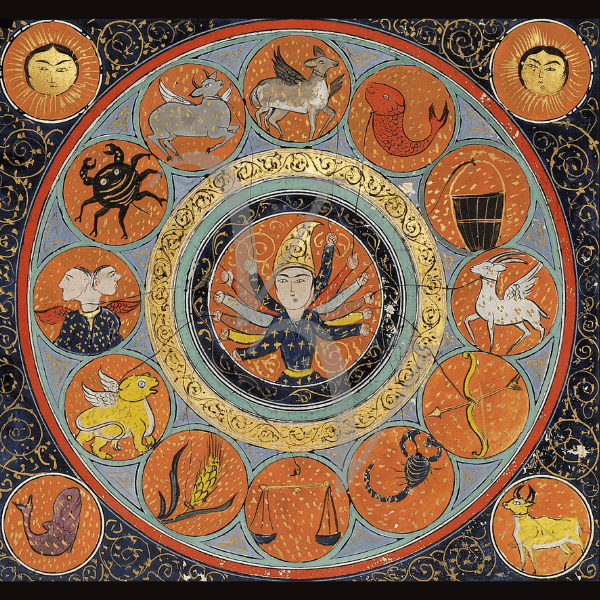
By examining a patient’s zodiac sign, doctors consulted zodiac signs to understand a patient’s mizac—their physical and emotional temperament—using astrology as medical data rather than a tool of prediction.
Humans were not viewed as disconnected from the universe, but as âlem-i asgar (the microcosm)—a smaller reflection of the greater cosmic order.
The sky at the moment of birth functioned like a biological identity card, revealing which musical modes (maqams) could restore balance to the body and soul. For example, the Rast maqam was associated with Aries, a fire-nature sign, while Sagittarius was treated with the Hicaz maqam, believed to temper and harmonize the archer’s expansive, restless energy.
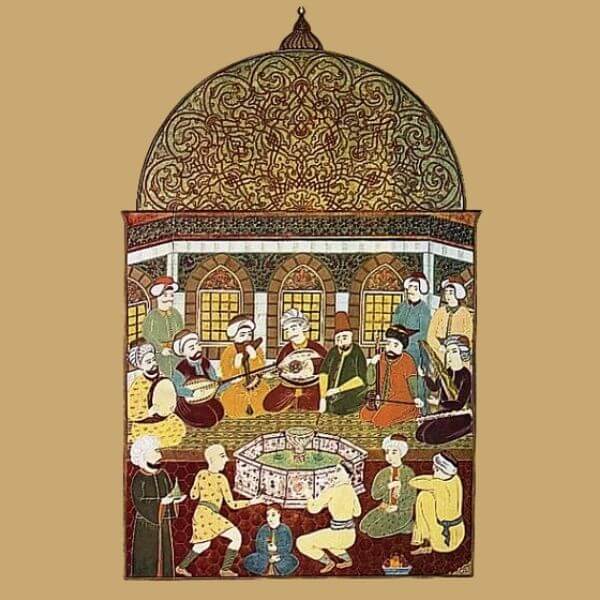
The Mathematics of Healing Sound
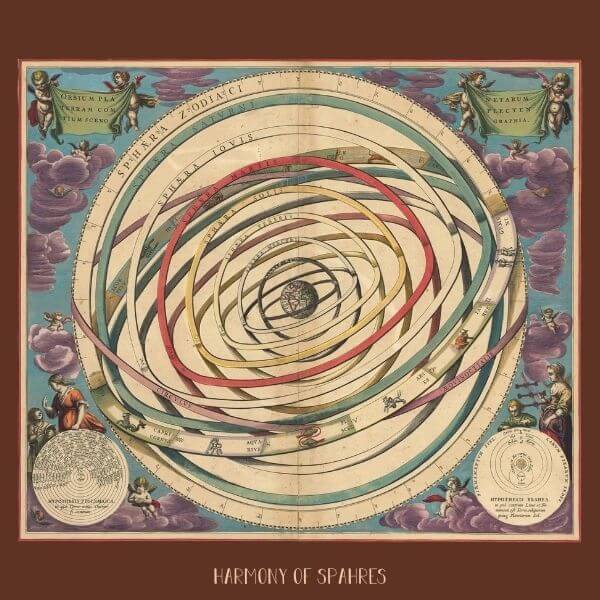
The healing power of music in Ottoman medicine was grounded in a mathematical philosophy thousands of years old. The Batini makam system, a remarkable synthesis of Eastern and Western thought, drew from Pythagorean cosmology—the idea of the harmony of the spheres.
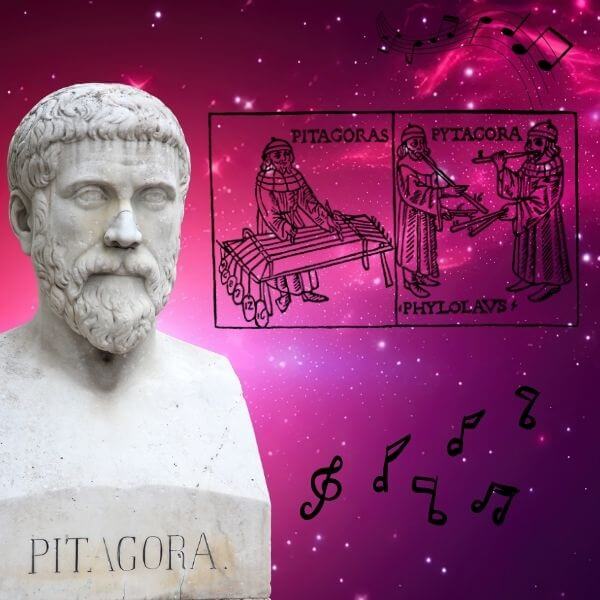
According to this model, earthly music mirrored the divine order of the heavens. When the correct makam was paired with the correct zodiac sign, healing of both body and soul was inevitable.
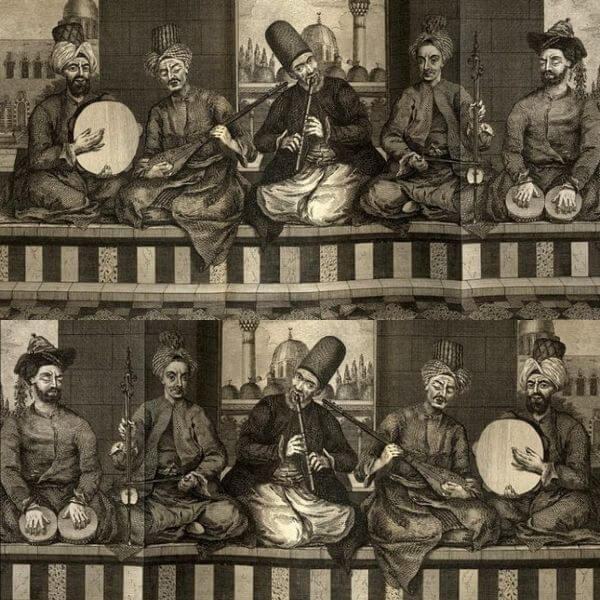
Even the structure of the oud, the foundational instrument of Turkish classical music, reflected this cosmic balance. Its four strings symbolized the four fundamental elements: fire, water, earth, and air.
Physicians Who Preserved This Knowledge
This ancient system survives thanks to powerful historical records. In the 15th century, Şerafettin Sabuncuoğlu, who practiced at the Amasya Darüşşifası, used music as a therapeutic tool and became one of the most influential figures in this tradition.
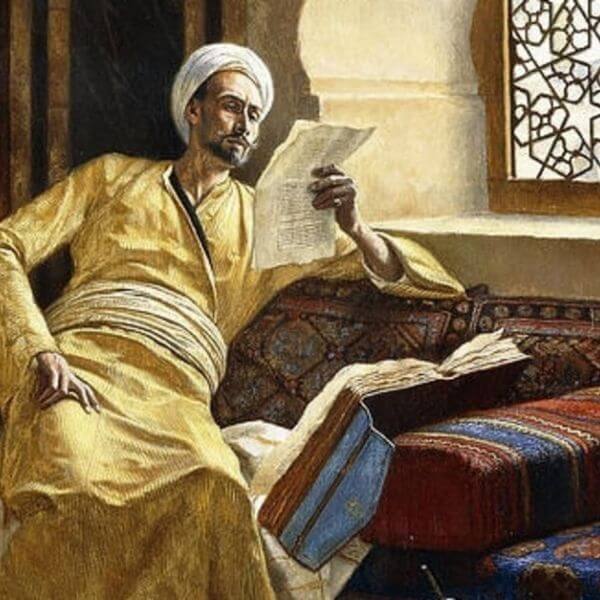
Later, physician Hasan Şuuri advanced this knowledge to a technical level. In his work Ta’dilü’l-Emzice, he explained how temperaments could be balanced through music.
A century afterward, Gevrekzade Hafız Hasan Efendi, drawing on Şuuri’s work, authored er-Risaletu’l-Müsikiye—the first independent medical text devoted entirely to music therapy.
Not for Fortune-Telling, But for Healing
In the past, physicians asked patients about their zodiac signs—but not to read their fate. They asked in order to find the right cure.
So, which makam belongs to your sign?
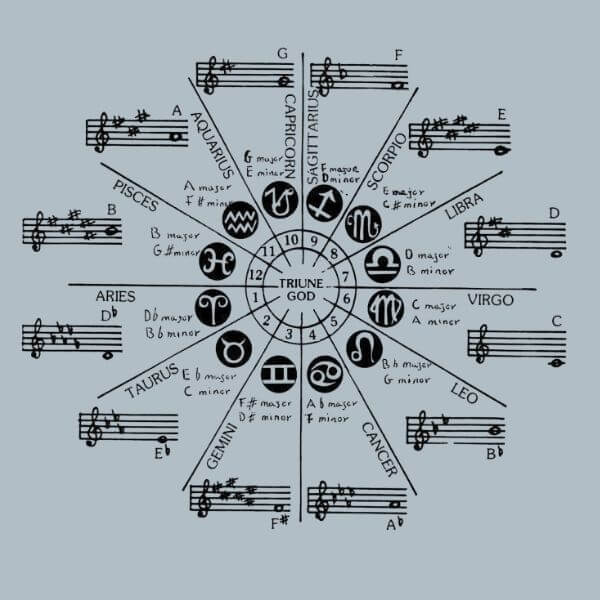
Zodiac Signs & Their Healing Makams
Today, these maqams are no longer locked in history books. By searching the name of a specific maqam on YouTube, you can listen to these healing modes yourself—and explore how your own maqam feels in the body.
- Aries (Hamel) → Rast
- Taurus (Sevr) → Irak
- Gemini (Cevza) → Isfahan
- Cancer (Seretan) → Zirefkend-i Küçek
- Leo (Esed) → Büzürg
- Virgo (Sünbüle) → Zengûle
- Libra (Mizan) → Rehavî
- Scorpio (Akreb) → Hüseynî
- Sagittarius (Kavs) → Hicaz
- Capricorn (Cedi) → Bûselik
- Aquarius (Delv) → Nevâ
- Pisces (Hut) → Uşşak
References
- Psychology Times Türkiye. (2025, December 4). Suyun ve sesin gücü: Osmanlı Darüşşifasında psikoloji ve müzikle tedavi.
- Somakçı, Pınar. (2003). Türklerde müzikle tedavi. Sosyal Bilimler Enstitüsü Dergisi, 15.
- Öztürk, Okan Murat. (2013). Makam, avâze, şûbe ve terkib: Osmanlı musiki nazariyatında Pisagorcu bâtınî makam modeli. Rast Müzikoloji Dergisi.
- Akpınar, Hüseyin. (2021). Mûsikî ve su arasındaki ilişkinin çeşitli boyutları. İstem, 19(38).
- Ersoy Çak, Ş., & Özcan, N. (2018). Müzik terapinin tarihsel gelişimi ve uygulandığı mekânlara bir bakış. Turkish Studies – Social Sciences, 13(18).