Gods and goddesses. Strange creatures. Betrayals. Rapes. Twisted relationships. Supernatural absurdities. Life lessons, epic names, and maybe a few Marvel movies. These might be some of the first things that come to mind when you think about myths. But let’s keep it simple—what’s the first myth that pops into your head?
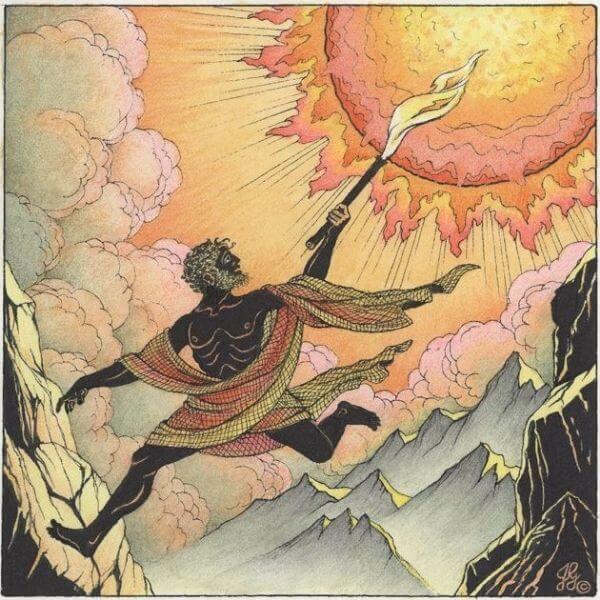
Maybe… the story of Prometheus. In short, he stole fire from the gods and gifted it to humanity. That gift changed the course of civilization. For the philosopher Plato, this tale was nothing less than the birth of human culture itself. He tells us of Prometheus, the Titan who, after his brother Epimetheus left humans empty-handed, gave them fire and essential skills to survive. In this way, myths serve to explain the human condition through the lens of divine actions.
Mythology as Humanity’s Story of Meaning
As this simple example shows, a myth always recounts a beginning—and by extension, an ending. So mythology can be about the birth of human civilization… or about why a random insect or flower exists.
What Is Mythology?
Creation myths are arguably the most compelling of all. They tell us how the world came to be—but more importantly, they explain how reality itself functions. These stories lay the foundation for how a culture views existence, truth, and purpose. Mythology gives us clues about how humans build the scaffolding of meaning around themselves.
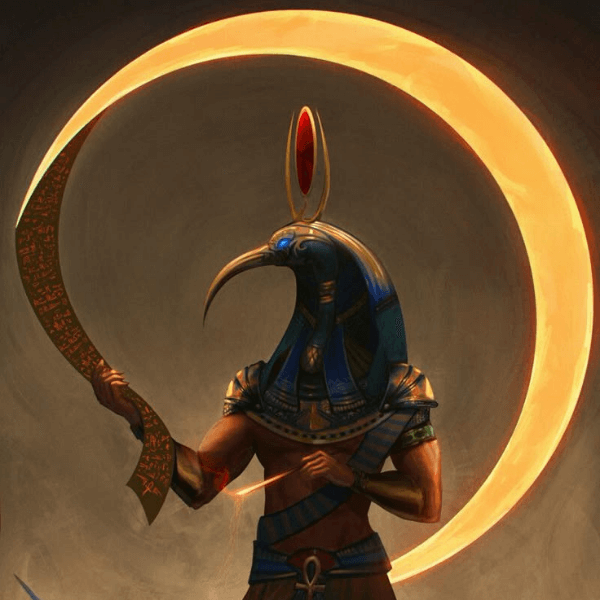
Take ecosystems, for example. Ancient Egyptian gods often appear as animals—a reflection of the Nile’s rich natural life and the symbolic importance of animals. Norse gods, by contrast, are more human in form, shaped by Scandinavia’s rugged climate, where animals play symbolic or companion roles, not divine ones.
In his book Myths, Dreams and Mysteries, Mircea Eliade writes:
“Cosmogony is also an ontophany—a revelation of Being. Since all myths are in some sense fragments of the creation story, mythology as a whole is a grand ontophany. Every explanation of something that happened in sacred time (in illo tempore) is ultimately a variation on the beginning. Myths reveal the structure of reality and the different modes of being in the world. They are models for human behavior precisely because of this.”
So yes, Prometheus gave fire to humanity. But in doing so, he also offered a moral template: a figure who defies injustice and sacrifices himself for the greater good. Myths teach us how to be human. They’re not just stories—they’re blueprints for virtue.
Mythology as a Map
There’s no myth that doesn’t reveal a mystery or explain the origin of a key behavior. In this sense, mythology has always guided humanity—culturally, morally, even psychologically.
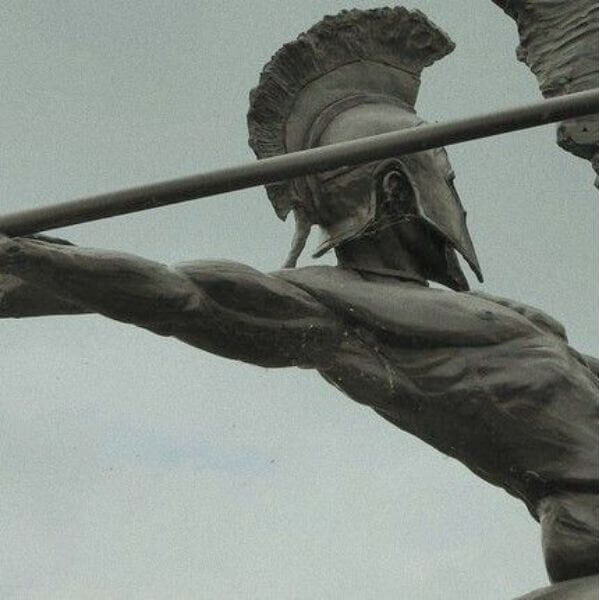
People didn’t just look to myths to understand the world. They turned to them to understand themselves. Historical figures often modeled themselves on mythological heroes and gods. Alexander the Great, for instance, saw himself as the new Achilles. In that sense, “a human becomes contemporary with a myth the moment they imitate the actions of a mythical figure.”
Knowing this, many great minds throughout history were obsessed with the idea of living lives that would become mythic themselves. Goethe, for example, is famously said to have seen his life as a model for all humanity—a personal mythology in the making.
The Danger of a Mythless World
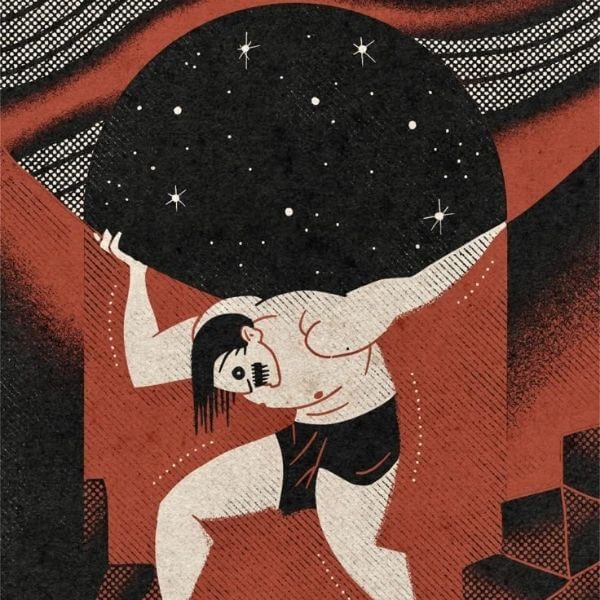
Compared to ancient civilizations, our modern world seems strangely mythless. No society today is sounding the alarm bells about the absence of mythology. But maybe it should. Even if it doesn’t cause fatal illness, this mythic vacuum can be a source of spiritual fatigue and existential confusion.
Famous thinkers have made this very claim—including Carl Gustav Jung. One of his books is titled L’homme à la découverte de son âme—”Man in Search of His Soul.” Jung believed modern humanity had been in crisis ever since its deep break from traditional religions like Christianity. He urged us to seek fresh spiritual sources and create new myths—personal or collective. Even if you believe in nothing, he said, you can still craft your own myth.
Or in the words of Nietzsche: “One should live their life in such a way that it becomes a work of art.”
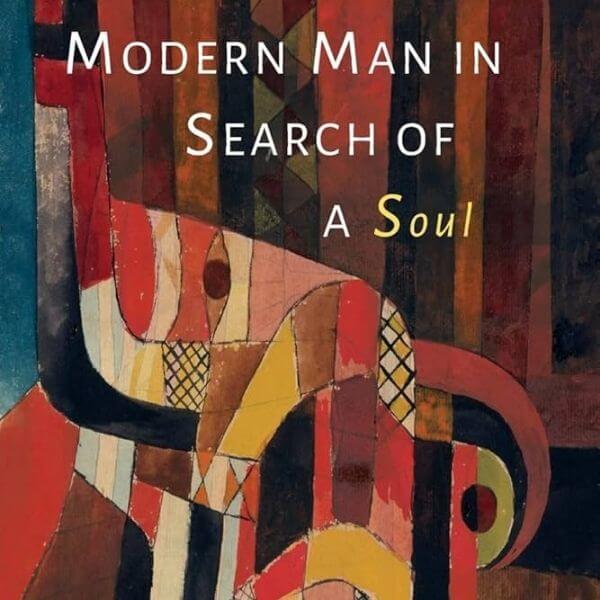
Jung’s prescription? The journey of individuation. And on that journey, your path might mirror mythic archetypes, ancient stories, or even personal symbols that reveal who you really are.
New Mythologies for a New Age
Jung’s prophetic ideas seem to have taken root in our time. Increasingly, people are embarking on personal journeys of self-discovery, crafting their own symbolic universes.
Maybe that’s why so many of us perform affirmations aligned with moon phases—like ancient priestesses. We seek healing not only through therapy, but also by listening to Chiron, the wounded healer in our birth chart. These might seem like modern rituals, but they echo something ancient: the human hunger for meaning.
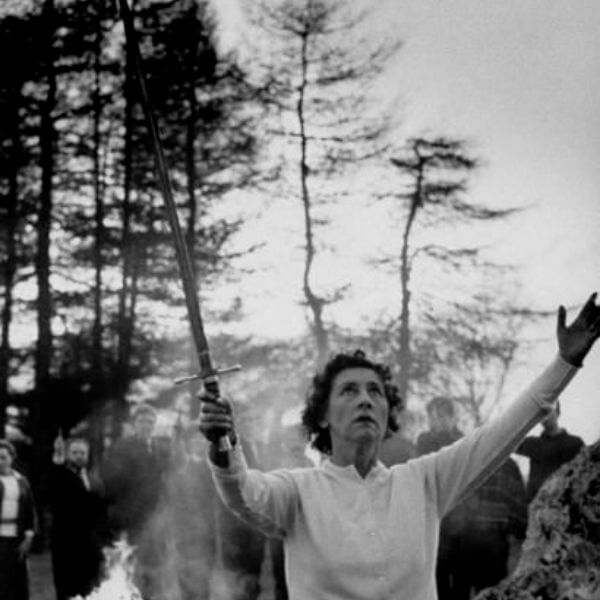
It may not be a disease, but it sure feels like a symptom—of a mythological longing, of a metaphysical thirst. Perhaps we all just need a bit of stardust to light the way.
Myth Never Dies
The modern world may lack widely accepted myths. But mythology itself never vanished. It lives on in our dreams, our stories, our inner worlds. It morphs, yes—but it doesn’t disappear. Like the gods it birthed, myth merely changes masks.
You can still find traces of stardust scattered among the concrete. New Year’s rituals. Birth and death ceremonies. The things we do “even if we don’t believe in them.” Halloween isn’t randomly placed in autumn—back when it was called Samhain, it marked the end of the harvest. Ostara became Easter. Yule became Christmas. The myths didn’t die. They just changed names.
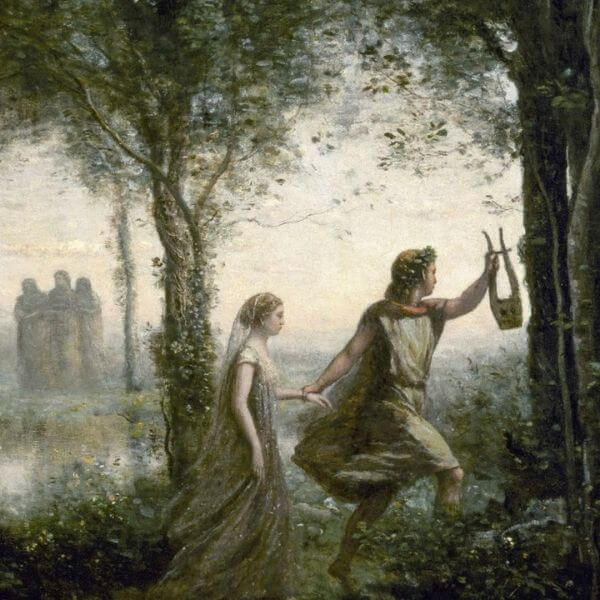
Mircea Eliade described this as “a vague longing for incipit vita nova—a complete rebirth.” Our contemporary rituals may look nothing like the ancient ones, but their essence remains: a longing for new beginnings, for renewal, for connection with something greater than the self.
We still celebrate the seasons, birthdays, and new years. These cyclical rituals hint at something deep and eternal in the human soul: the need to restart, to renew, to reimagine. Mythology reminds us that nothing ever truly ends—it just begins again, in a new form.