Spring doesn’t arrive quietly. It breaks through. With the Sun entering Aries, the astrological new year begins—not as an idea, but as a pulse. And with it, the language of zodiac flowers begins to unfold—symbols of how each sign blooms, transforms, and comes back to life in its own way.
In myth, this is the moment Persephone returns from the underworld. And just like that, the world remembers how to bloom.
So we thought—if nature is waking up, why not meet it halfway?
Each zodiac sign carries a flower that mirrors its essence: symbolic, mythic, and quietly revealing.
Let’s see what blooms with you.
Aries — Poppy
The story begins with fire—and a fall.
In the myth of Phrixus and Helle, a golden ram descends from the sky to save them. As they flee, Helle falls into the sea, giving the Hellespont its name.
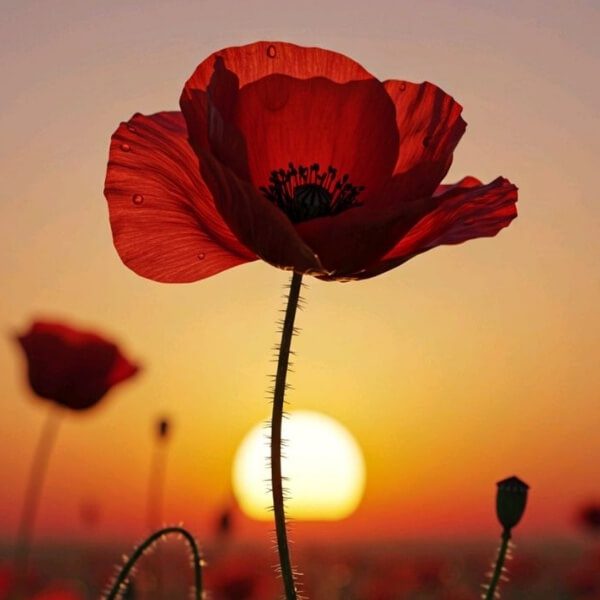
The poppy, later becoming a symbol of remembrance—especially tied to Gallipoli—holds both life and loss in its delicate petals.
Botanically, poppies are resilient wildflowers. They thrive in disturbed soil, often blooming where the ground has been broken. Very Aries. New beginnings rarely come without rupture.
Taurus — Rose
Some flowers don’t bloom. They unfold slowly—on purpose.
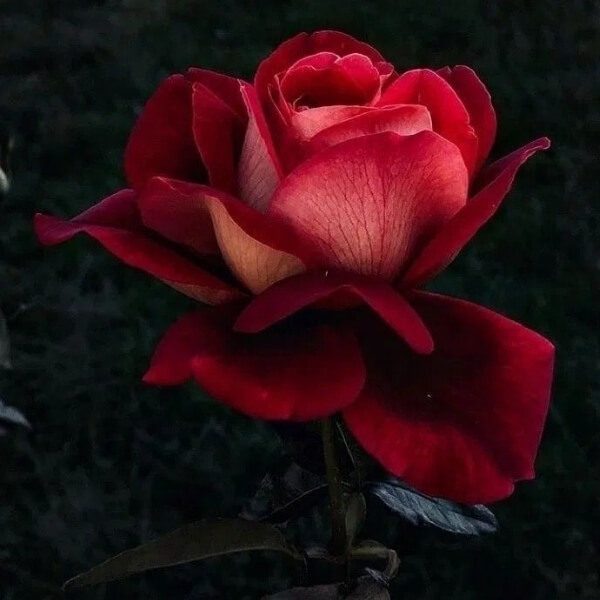
The rose has long symbolized love, sensuality, and devotion. In one of the spring rituals, Hıdırellez, wishes tied to rose trees are believed to bring abundance and union.
But beyond symbolism, roses are also remarkably structured plants—layered, complex, and enduring. Their fragrance is strongest in full bloom, never rushed.
Taurus doesn’t chase beauty. It cultivates it.
And like the rose, it knows that what lasts must first take root.
Gemini — Dandelion
A flower that travels more than it stays.
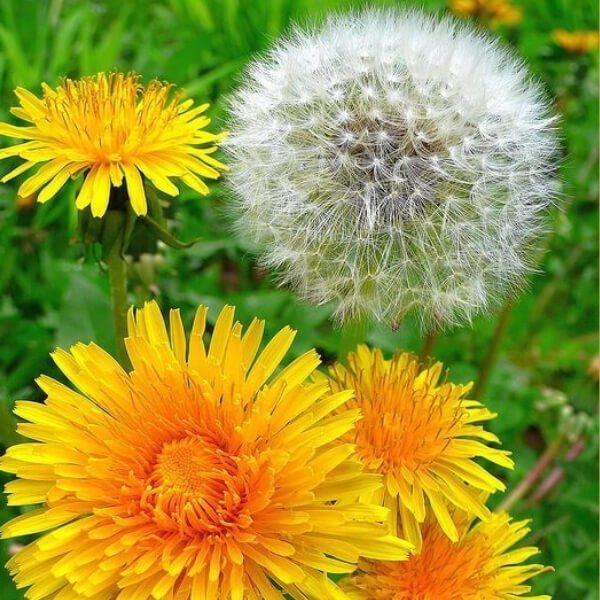
Dandelions scatter their seeds into the wind, carried by invisible currents—much like Gemini’s thoughts. But beneath that airy movement lies something surprisingly grounded.
Nutrient-rich and historically used in herbal medicine, the dandelion is both playful and practical. Even its hollow stem is said to produce sound when cut, as if it wants to speak.
Gemini is often seen as fleeting. In reality, it’s just… everywhere at once.
Cancer — Lotus
Some flowers rise from the depths.
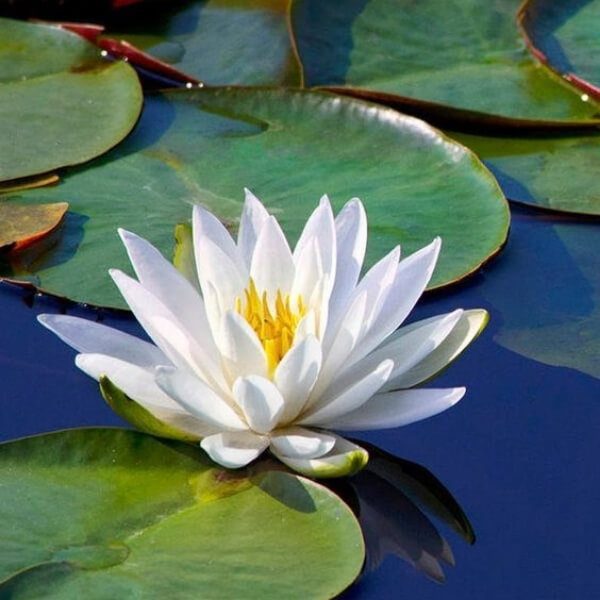
In ancient Egyptian belief, the sun god Ra was born from a lotus emerging from primordial waters. The lotus closes at night and opens again with the sun—rebirth, over and over.
Biologically, it grows in muddy waters yet remains untouched by them, its surface repelling what it rises from.
Cancer carries that same archetype: emotional depth, origin, the quiet mystery of becoming.
To feel deeply is not weakness. It is creation.
Leo — Sunflower
Not subtle. Never meant to be.
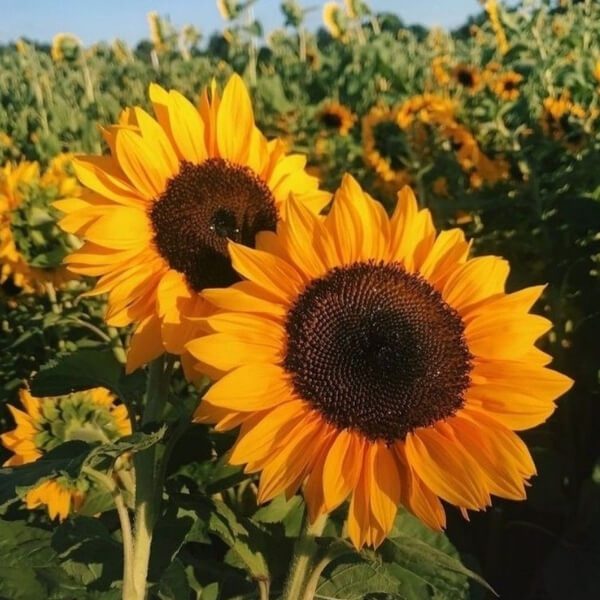
The sunflower literally follows the sun across the sky—a phenomenon called heliotropism. Even as a bud, it turns toward light instinctively.
Its seeds, its warmth, its golden presence—it carries abundance in the most visible way.
Leo doesn’t hide its light. It amplifies it—and reminds others they have one too.
Virgo — Aster
A flower shaped like a star, but rooted in earth. Derived from the Greek aster, meaning “star,” this flower is said to have grown from the tears of Astraea.
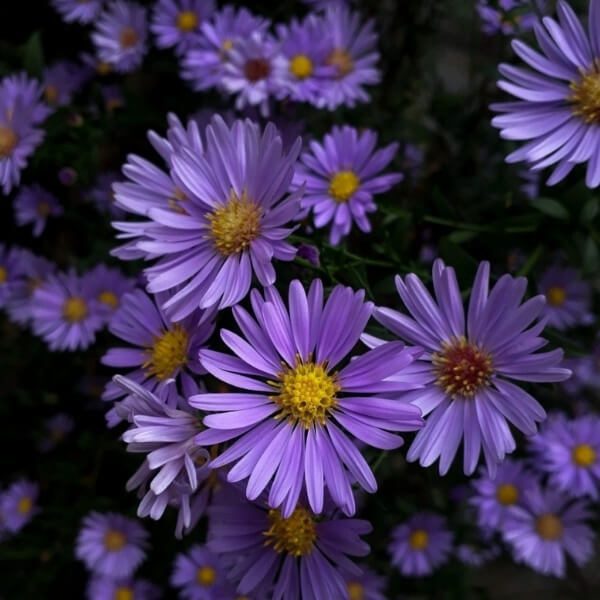
Asters have long been used in traditional medicine and were believed to ward off negative energy. They bloom at the end of summer, quietly marking transition.
Virgo lives in that threshold space—between order and chaos, purity and complexity.
Precision, here, is not rigidity. It’s devotion.
Libra — Orchid
Beauty, with memory inside it. The orchid represents elegance, love, and refinement. But its mythology adds something more human: longing.
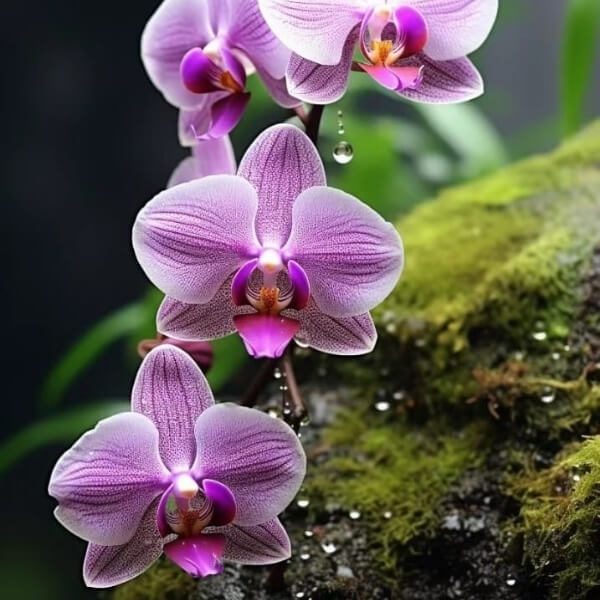
In one tale, Princess Orchis heals a wounded stork, only to lose him when seasons change. Waiting turns into dissolution—she becomes wind, and from her, the orchid blooms.
Orchids are also one of the most diverse plant families on earth, adapting to very specific environments.
Libra understands this: love is not just connection. It’s also the art of balance within change.
Scorpio — Chrysanthemum
Not all flowers are comforting. Chrysanthemums are often associated with death and remembrance, used in funerals and rituals across cultures. Yet they flower in late autumn—when most life retreats.
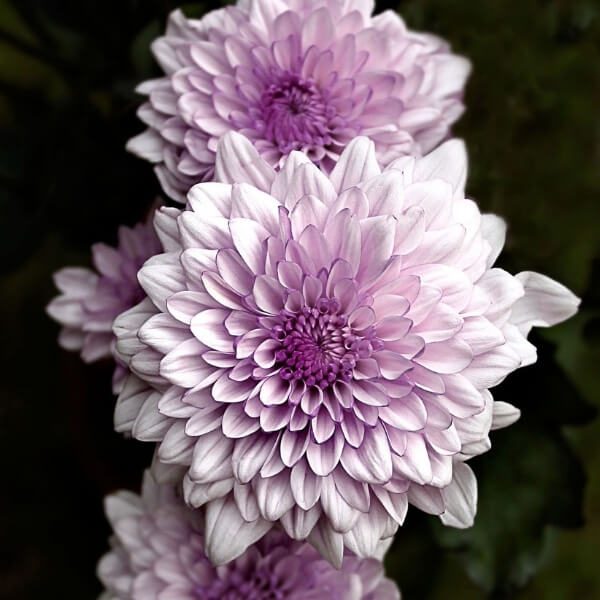
They are resilient, structured, and layered—petal upon petal, like something hidden beneath the surface.
Scorpio doesn’t fear endings. It studies them—and transforms through them.
Sagittarius — Immortelle
A flower that refuses to fade. Immortelle retains its shape and color long after being picked, which is why it’s often used in healing oils and remedies.
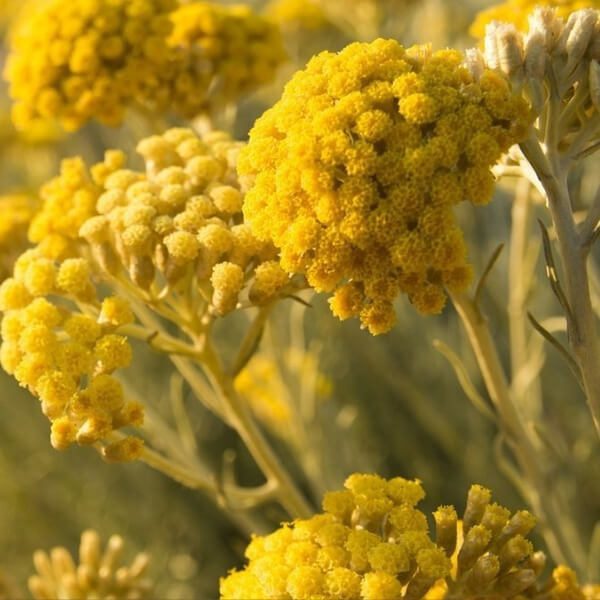
It connects to Chiron, the wounded healer—knowledge born from pain, wisdom that doesn’t decay. Sagittarius seeks truth, not comfort. And like this flower, what it learns… lasts.
Capricorn — Snowdrop
Soft, but unyielding. Snowdrops bloom through frozen ground, often appearing while snow still covers the earth. They don’t wait for ideal conditions—they create their moment.
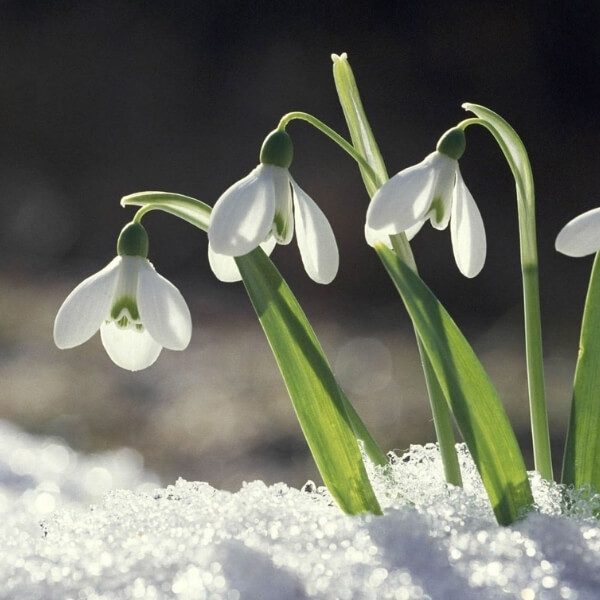
They are also among the first signs of seasonal transition, quietly announcing change. Capricorn doesn’t need attention. It needs purpose—and it always finds a way.
Aquarius — Jade Vine
Strange. Rare. Almost unreal.
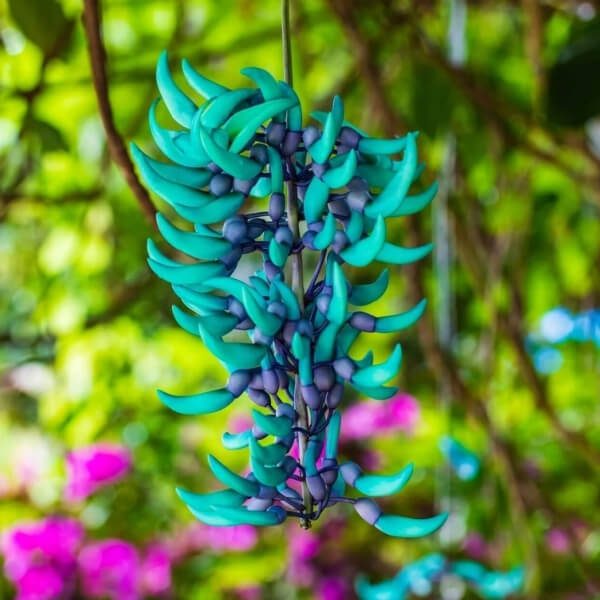
The jade vine grows in humid forests and depends on bats for pollination—its glowing turquoise color specifically adapted to attract nocturnal life.
It doesn’t follow typical botanical rules. It evolves differently. Aquarius thrives exactly there—outside expectation, inside possibility.
Pisces — Water Lily
Floating, but deeply rooted.
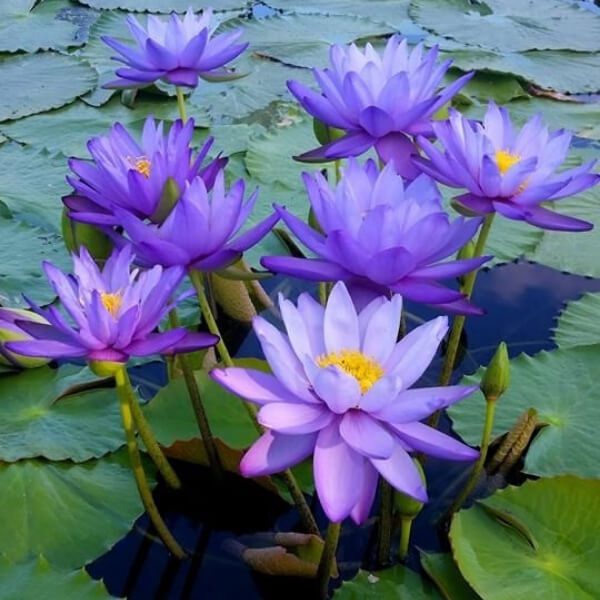
In Buddhist symbolism, the white water lily represents enlightenment and spiritual clarity. It exists between worlds—water and air, depth and surface.
Like the lotus, it rises from murky environments but opens into something serene. Pisces carries that liminal quality. Not lost—just not limited to one reality.
The Art of Blooming
Flowers don’t try to become anything else. They simply unfold—when the time is right.
And maybe that’s the real symbolism here. Not which flower you are… but how you bloom.