In our previous post, we explored the origins of patriarchy, the myth of matriarchy, and how ancient women were slowly erased from both power and narrative. From goddess figurines to philosophical betrayals, women have been systematically reduced from divine to disposable. Now, we step into what came next: the women who dared to speak, rule, or heal—and were punished for it. Because history didn’t just silence powerful women. It hunted them and called them witches.
If “Part 1: Did Matriarchy Ever Really Exist?” was a descent through myth, bones, and buried truths—then this chapter is where the whispers turn to fire.
The Demonization of Powerful Women
Take the Ottoman Empire. When Kösem Sultan became a dominant political force, she was instantly labeled dangerous. Hürrem Sultan—one of the most influential women in Ottoman history—was said to be a sorceress who used spells to control Sultan Süleyman. Sounds familiar?
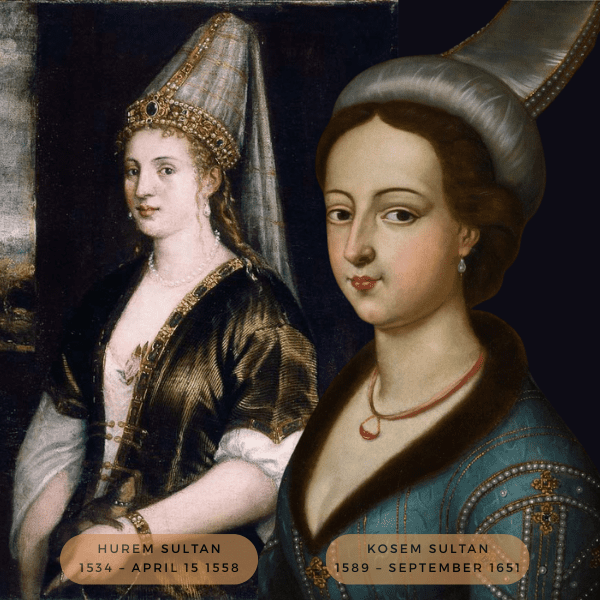
This wasn’t just an Ottoman thing. Powerful women across the globe were targets of whisper campaigns, character assassinations, and sometimes outright demonology.
In Russia, Empress Catherine the Great tried to modernize the empire—and what did she get? Rumors of bestiality and blood-drinking. Because clearly, a smart, independent woman must be a monster.
In China, Wu Zetian—the country’s only female emperor—ushered in a golden age of art, literature, and meritocracy. So naturally, history books remember her as cruel, power-hungry, and promiscuous. Not the Renaissance queen she truly was.
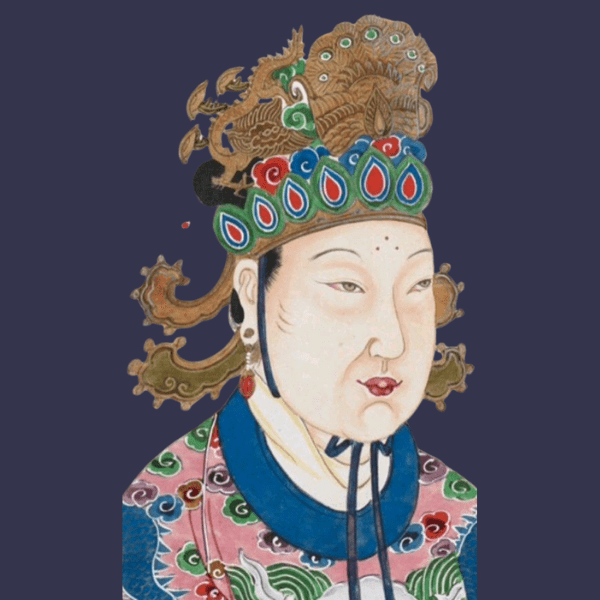
The script was always the same: If you weren’t the Virgin Mary, you were the Whore of Babylon.
The Two Archetypes: Madonna or Medusa?
Across history, women have been squeezed into two tight, uncomfortable costumes:
- The Idealized Mother
- The Dangerous, Sexual Witch
You could be worshipped for giving birth—or condemned for daring to want something more.
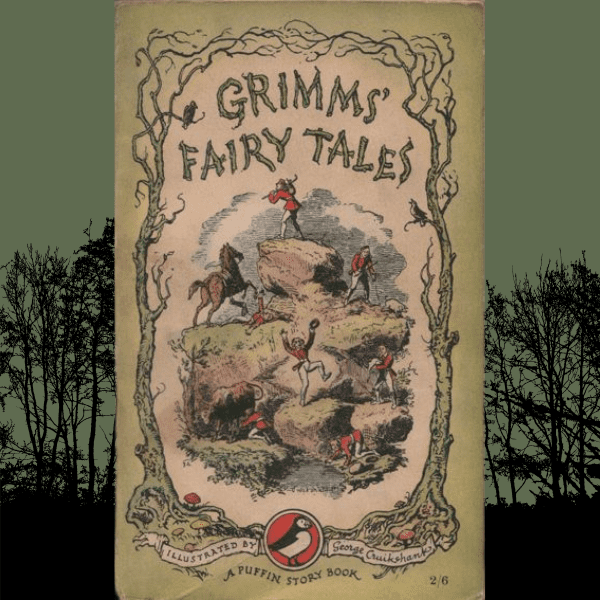
Even fairy tales taught us to fear the old, the single, the wild woman. Think of Hansel and Gretel’s witch. Or Snow White’s jealous stepmother. From childhood, we’re taught that women who live alone and make their own rules are to be burned, shunned, or locked away.
Meanwhile, male rulers could be cruel, violent, and tyrannical—yet they were “strong,” “unshakable,” “formidable.” A woman with those same traits? “Witch.” “Whore.” “Villainess.”
The Witch Hunts: Fear and Fire
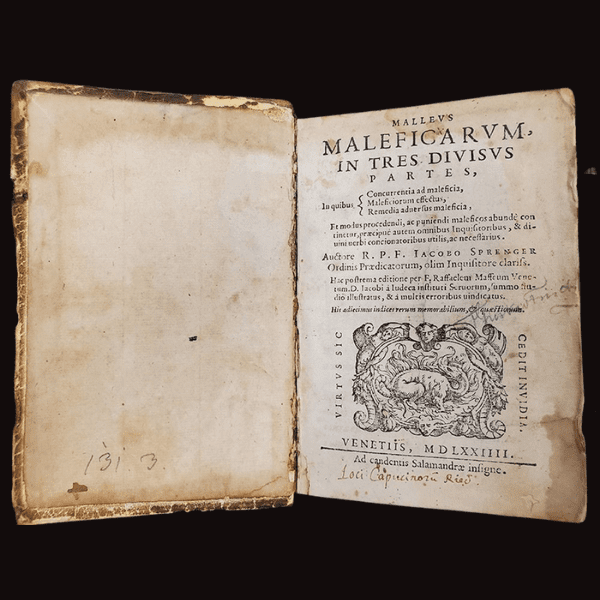
It all escalated in the late 1400s, with the publication of Malleus Maleficarum—aka The Hammer of Witches. This book, backed by the Catholic Church, justified what would become one of history’s most horrific campaigns of persecution: the European witch hunts.
Estimates vary, but somewhere between 40,000 and 200,000 people were executed. The vast majority were women.
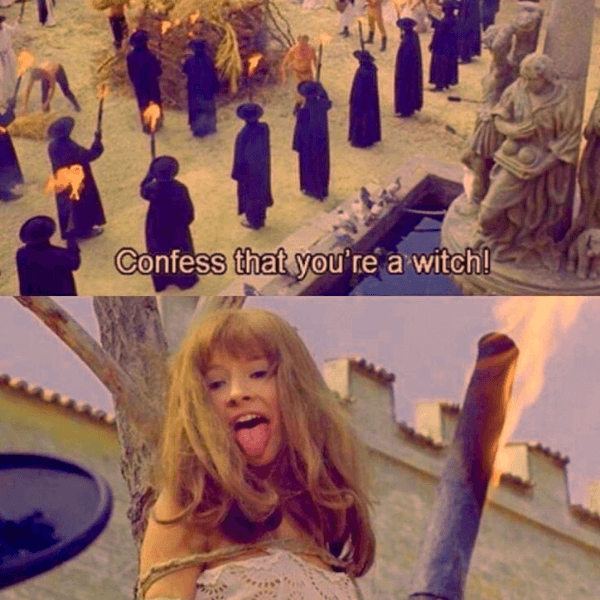
Most “witches” were healers, midwives, widows, or simply women who didn’t quite fit in. They were tested in absurd ways—dunked in water, searched for “witch marks,” or just tortured until they confessed. Salem’s trials alone saw 19 women executed to only 4 men.
And let’s talk about those trials. One red hair? Witch. A mole on your skin? Witch. Living alone in the forest with a knowledge of herbs? Definitely witch.
Widows: Easy Targets
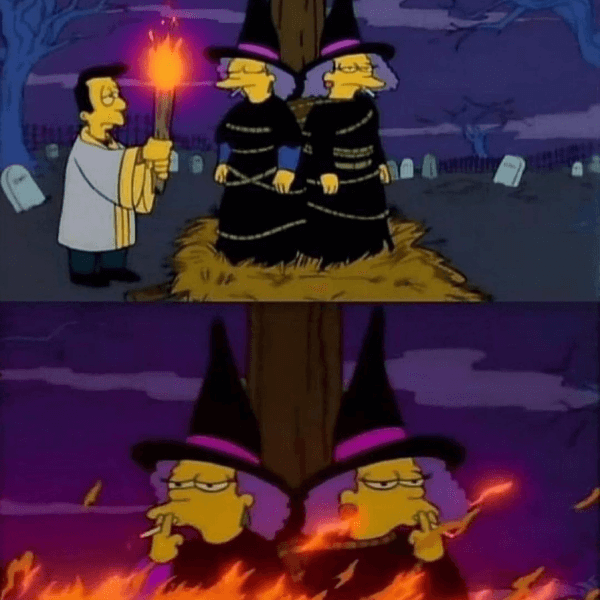
In the Middle Ages, to be a widow was to walk on a knife’s edge. With no husband to “own” them and no rights to inherit property, widows were sitting ducks for accusation. If they managed to keep a shop or land, it often sparked suspicion—or worse, legal action disguised as divine justice.
The infamous “swimming test” was designed to be unwinnable. If you floated, you were a witch. If you sank, you drowned. Either way, they took your land.
Behind the horror of the witch trials lay something more sinister than superstition. It was about power, economics, and social control. The art of healing, the wisdom of women, and their deep connection to nature were seen as threats to patriarchal order—and were systematically destroyed.
Still Burning, Still Rising
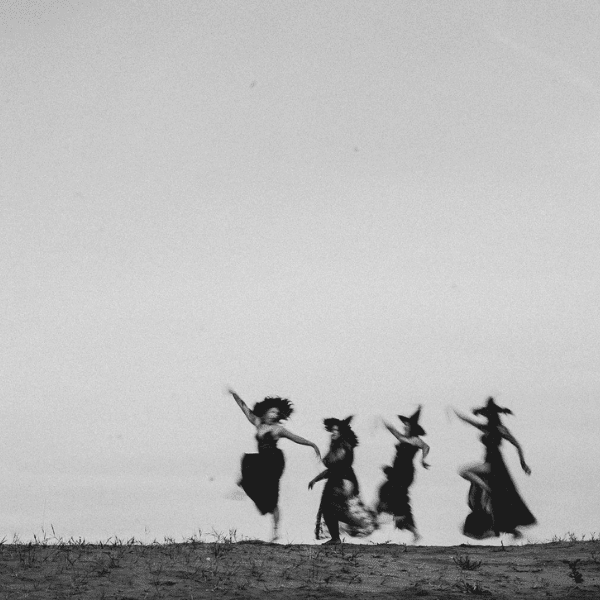
The witch hunts didn’t really end until the 19th century—and in some ways, they never truly stopped. Today, we may not burn women at the stake, but we still punish them for being “too much,” “too loud,” “too ambitious,” or “too powerful.”
The archetype of the witch endures because the fear of female power endures.
And yet, here we are. Naming her. Reclaiming her. She was never just a witch but a healer, a rebel, a truth-teller.
And now? She is remembered.