For nearly two centuries, women’s health has been shaped by a tool few of us welcome—the speculum. Born out of pain and oppression, it carries a legacy tied not to progress alone but to the suffering of enslaved women. Today, we finally have a chance to rewrite this story and pay our tributes to the real heros of gynecology.

After 180 Years of Pain
The duck-billed speculum, that cold metallic contraption that drives so many of us to dread the gynecologist’s chair, might finally be on its way out.
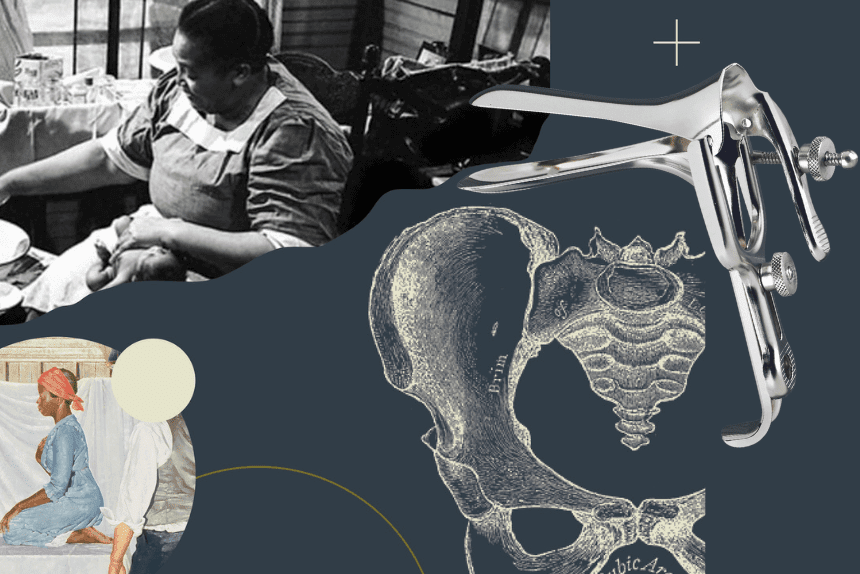
With its unpleasant appearance and icy grip, this device has discouraged nearly 35% of women from undergoing routine gynecological exams. Even if it doesn’t always cause pain, it certainly causes anxiety. Perhaps, in the collective subconscious of women, we are still hearing the echoes of our foremothers’ suffering. Even if we no longer remember the origin of the pain, we know instinctively that we have reason to resent this tool. And history confirms it.
The Man Behind the Speculum
Guess who invented it? Of course—a man. But not just any man. The speculum was developed by J. Marion Sims (1813–1883), once celebrated as the “Father of Gynecology.”
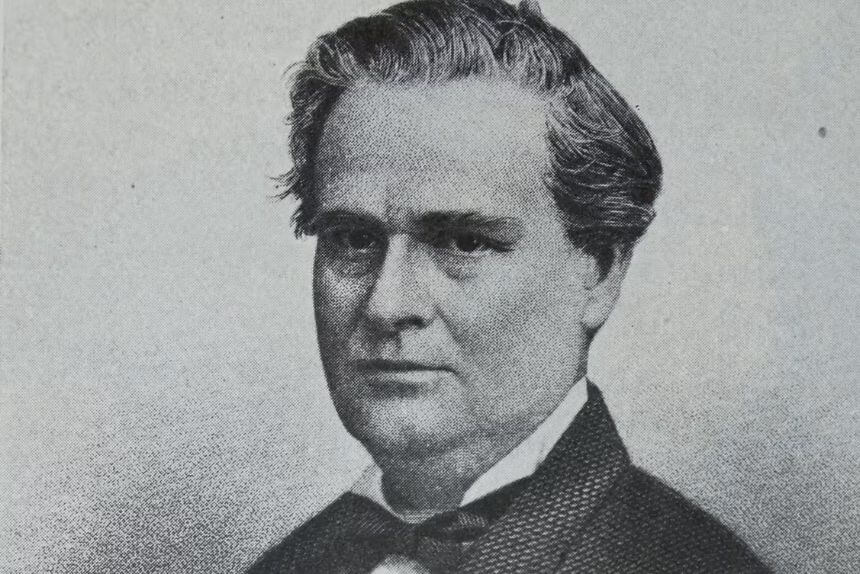
Type his name into Google today, and the National Institutes of Health still describes him as a physician who took a “revolutionary approach to treating the diseases of women.” Revolutionary? Perhaps. Ethical? Not at all.
Beginning in 1845, years after anesthesia was already known, Sims conducted countless experimental surgeries—not on consenting patients, but on enslaved Black women. Women such as Anarcha Westcott, Lucy, and Betsey were subjected to dozens of painful operations without anesthesia and without consent. Sims justified this by claiming that “Black women don’t feel pain.” Yet when he treated wealthy white women, he did use anesthesia.
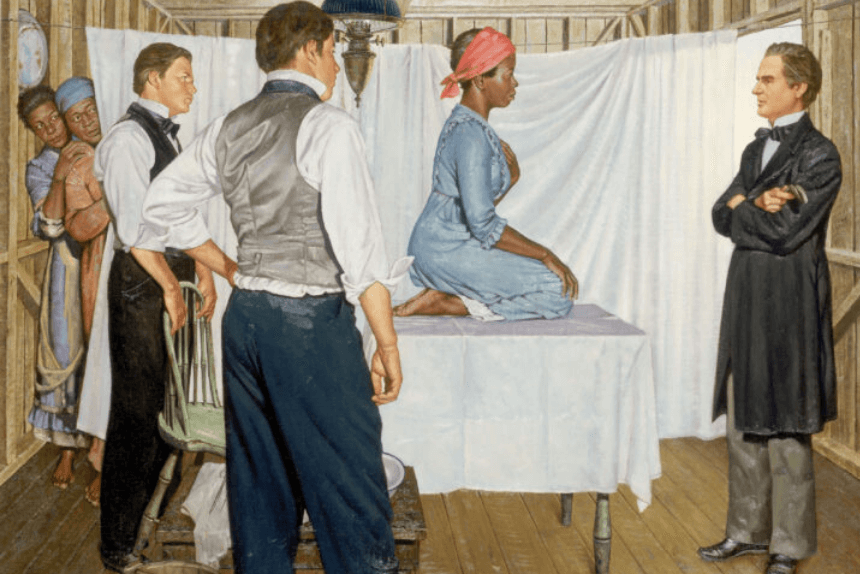
This grotesque double standard reveals the foundation on which modern gynecology was built: the exploitation of Black women whose bodies were treated as instruments for the benefit of others.
The Forgotten Mothers of Gynecology
Gynecology never had a father—it had mothers.
In the 1840s near Montgomery, Alabama, Anarcha Westcott, Lucy, and Betsey—three enslaved women living on separate plantations—became the unwilling subjects of experimental surgeries performed by Dr. J. Marion Sims, without anesthesia or consent. Anarcha endured at least thirty operations. Sims first refined his surgical technique on these women; only after achieving a “successful” method did he apply anesthesia when treating white patients. Their pain laid the foundation for modern gynecology, yet their names were almost erased from history. Overshadowed by Sims, whose statue was raised in New York City in the late 19th century.

Only in 2018 was this injustice partially corrected when the statue was removed from its pedestal in Central Park after years of protest. But the tool Sims left behind—the speculum—has remained virtually unchanged for 180 years.
The Birth of Lilium
Today, two female engineers—Tamara Hoveling and Ariadna Izcara Gual—are challenging that legacy. Dutch designers have created Lilium, a speculum created by women, for women. True to its name, Lilium resembles a lily flower, gently opening like petals rather than prying apart the vaginal walls with force.
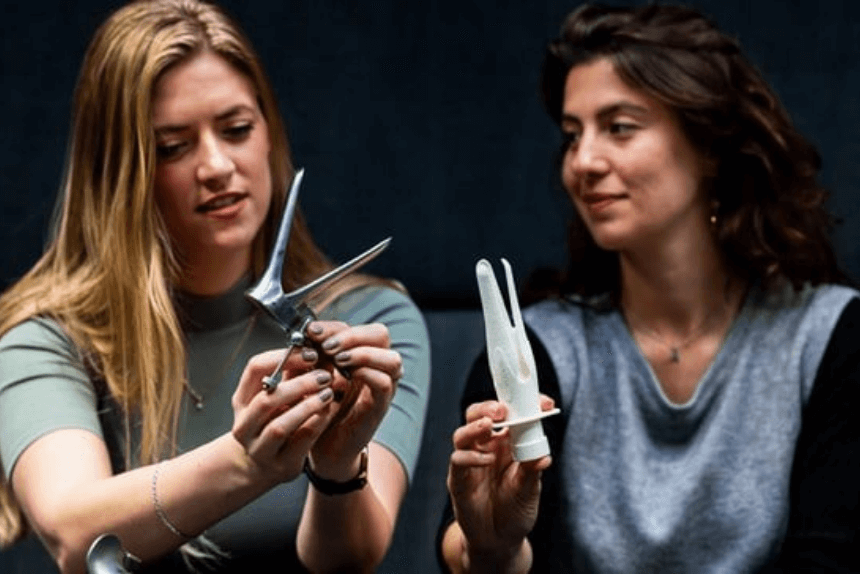
Those who have tested it describe it as far less painful and much more anatomically considerate. Unlike traditional plastic speculums, which are rigid and often uncomfortable, Lilium is made of a flexible medical polymer. It is soft, smooth, and adaptive to vaginal tissue, reducing trauma and eliminating that infamous “click-click” sound that has haunted exam rooms for generations.
The psychological impact is equally important: a tool born out of violence is being reimagined as one born out of care.
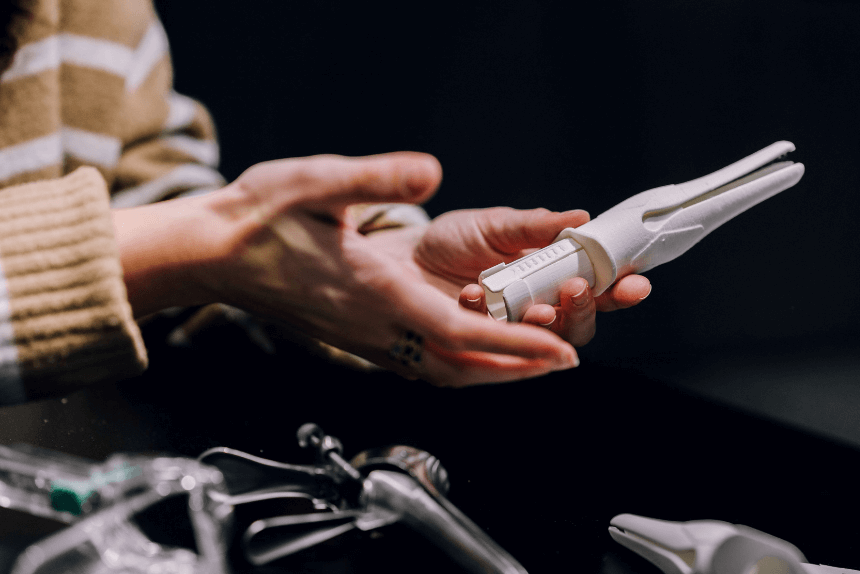
The choice of name is also perfect! In Greek mythology, lily is said to have sprung from the milk of the goddess Hera, embodying purity, renewal, and feminine power. By naming their design after the lily, the creators of Lilium are rewriting the narrative: from a tool of pain to one of healing, from an emblem of oppression to a symbol of dignity.
More Than Just Function
The speculum’s story began in torture. It is a product of a worldview that objectified women’s bodies, dismissed their pain, and sacrificed their dignity for the advancement of science. Its inventor—celebrated for generations—built his reputation on the suffering of women who were never even recognized as fully human.
Perhaps now it is time not only for the form of the tool to change, but for its meaning to transform as well. Lilium offers that possibility: a future where women’s health care is rooted not in exploitation, but in compassion.