
In the shadowy corners of mythology and the quiet stillness of ancient tombs, coffins have whispered tales of the undead and the hereafter for centuries. The chilling association between vampires and their nightly abodes runs deep through the veins of folklore.
But why are these boxes of eternal rest so deeply woven into vampire lore? What does a coffin really symbolize? Let’s crack the lid on some history, and yes—some undead symbolism.
A Nightly Haven for the Undead
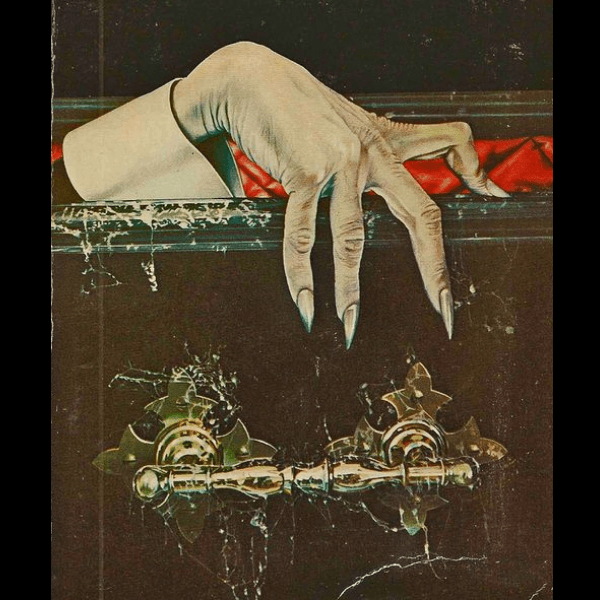
Why are vampires so intricately linked with coffins?
Blame folklore—and fear of the night.
The traditional vampire coffin, especially the iconic black vampire coffin, is more than just a place to nap. It’s a metaphor. A coffin represents protection from sunlight, the harsh truth of mortality, and the sacred liminal space between life and death.
So, can vampires sleep without a coffin? In myth, some can. But the symbolism is the point: the coffin is their sanctuary, their spiritual anchor. It’s not just a bed—it’s a tomb-shaped throne.
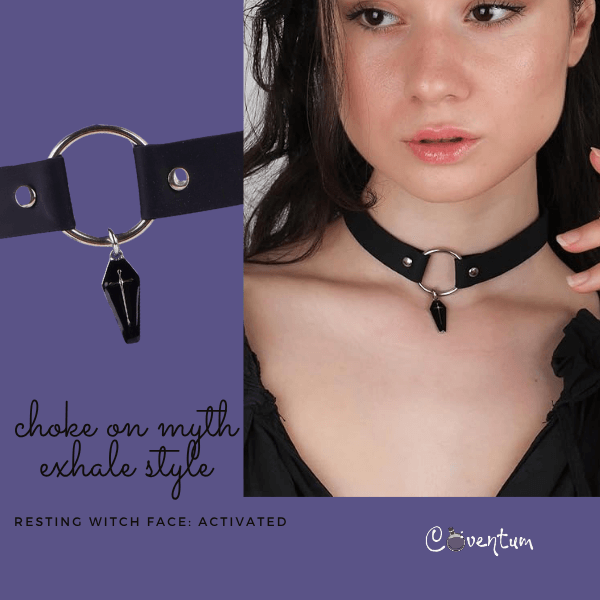
Coventum’s Coffin Choker embodies this duality—delicate yet defiant, it’s a gothic homage to dark rest and rebirth. Handmade with shadow in mind.
The Shape of Eternity
The classic six-sided coffin—wider at the shoulders, narrow at the feet—echoes the human silhouette. This tapered shape has roots in coffin Dracula imagery but also deeper cultural meaning.
Was this shape always the norm? Not quite. From Egyptian sarcophagi to Viking ship burials, ancient civilizations had different ways to honor the dead. But all shared one thing: reverence for the body as the vessel of the soul.
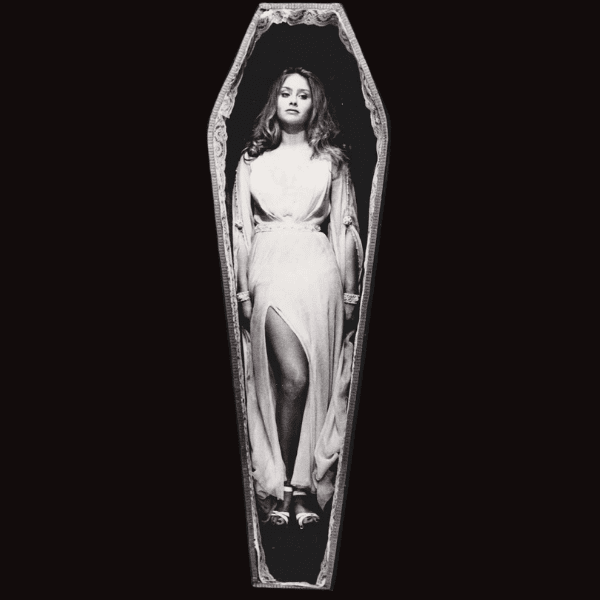
In a way, today’s coffin is a minimalistic nod to the ornate past. A pared-down version of something that once teemed with glyphs, protection spells, and afterlife instructions.
Echoes of Ancient Rituals
The ancient Egyptians mastered the art of death preparation. Their burial practices blended advanced medical knowledge with deeply spiritual beliefs. A coffin, or rather a sarcophagus, wasn’t just a box—it was an alchemical container for the soul’s journey.
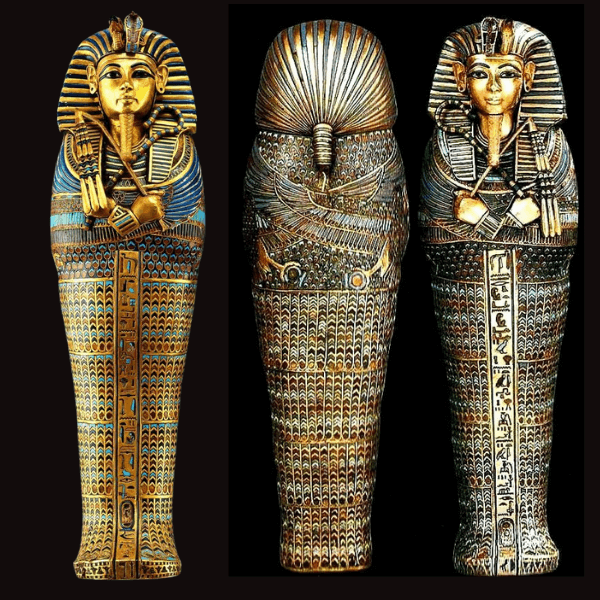
These were not just containers but sacred artifacts designed to protect and honor the spirit on its passage. The distinctiveness of the Egyptian coffin symbolizes their belief in an afterlife so vivid and enduring that it paralleled the world of the living.
Their belief in a vivid afterlife is why coffin symbolism remains so rich even today. It represents not just ending, but passage. The vessel is sacred. The lid, final.
Wood and Spirit: The Sacred Materials
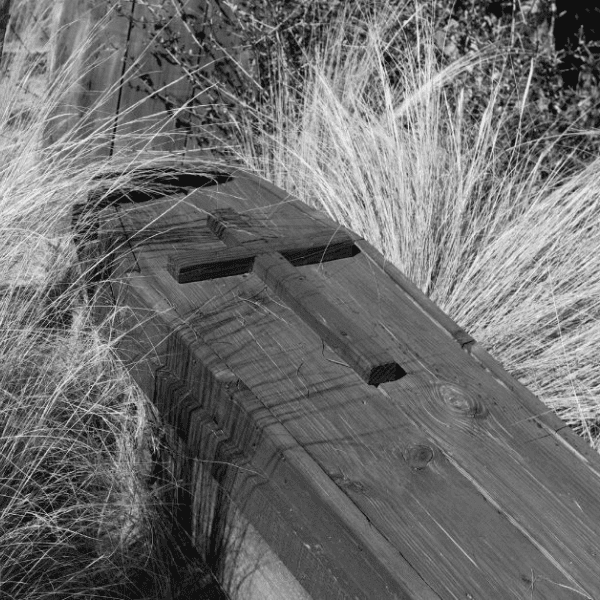
In many cultures, the wood used for a coffin matters. Some believe specific woods carry spiritual resonance—offering peace to the dead, or warding off dark forces. After all, not all vampire coffins are made equal.
This is where gothic vampire lore takes creative liberties: some myths even say the wood of a vampire’s coffin must come from their homeland to retain its power. Symbolism meets superstition.
Burial Practices Across Time and Culture
From ancient Greek funerary rites to Nordic burials, one thing is clear: how a society buries its dead says everything about how it understands life. The Romans, too, evolved from simple earth burials to elaborate sarcophagi and underground catacombs.
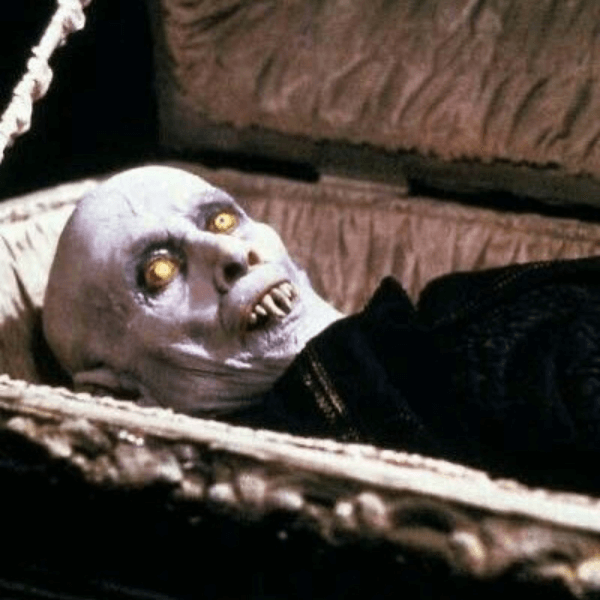
Even today, around Halloween, the coffin morphs again—becoming décor, a symbol of spooky delight. But even as coffin Halloween decor, the shape still hums with deeper themes: transition, mystery, and the space between worlds.
Enter the Bat: Vampires’ Winged Companion
No vampire would be complete without their winged counterpart—the bat. But why are bats associated with vampires? It all stems from the myth of the vampire bat, discovered by Europeans in South America in the 16th century. Real bats that drank blood? Perfect inspiration.
But beyond fang-to-fang mythology, bat symbolism runs deeper. Bats are liminal creatures, operating between worlds. They navigate darkness with ease, dwell in caves (underground, like coffins), and fly silently—making them the perfect metaphor for shadow selves and unseen instincts.
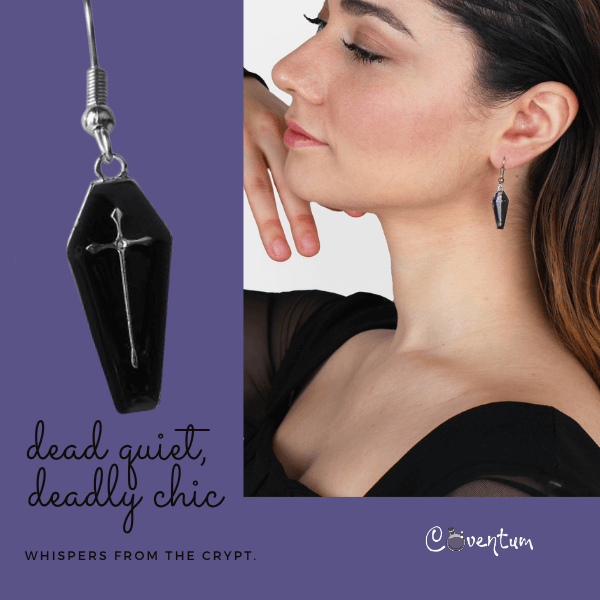
Or explore our Coffin Earrings—silver-toned, witch-approved, and handmade to match your favorite shadows.
Coffins as Memento Mori
The coffin isn’t just for the dead. It’s a mirror for the living.
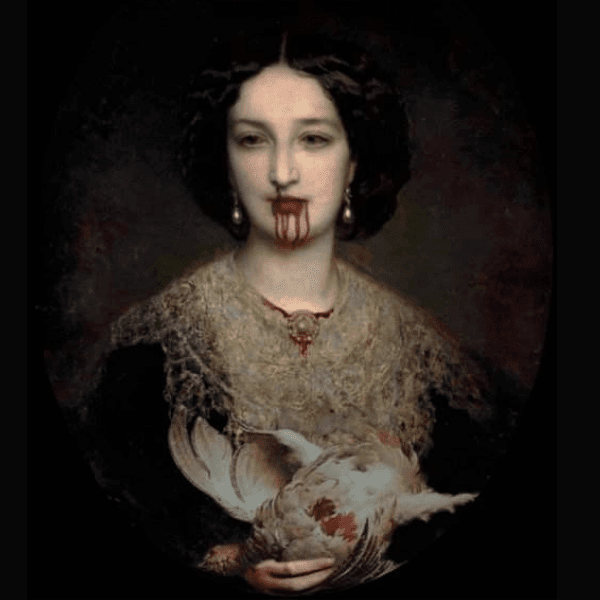
Coffin symbolism has always doubled as a memento mori—a visual reminder that death is inevitable, and thus, life is precious. In accepting our end, we begin to truly live.
A coffin pendant, coffin necklace, or casket necklace doesn’t just accessorize—it acknowledges mortality with elegance. It dares to whisper: You are temporary. Make it count.
Rest in Power
The vampire in a coffin is not a figure of fear—it’s a metaphor. A gothic reminder that even death has style. That darkness can be divine. That sleep can be sacred.
References:
- Encyclopaedia Britannica – “Coffin”
- Smithsonian Magazine – “The Vampire Bat Myth”
- National Geographic – “Memento Mori: Coffin Art & Remembrance”
0 Comments