Happy October! Finally we welcome the spooky season.
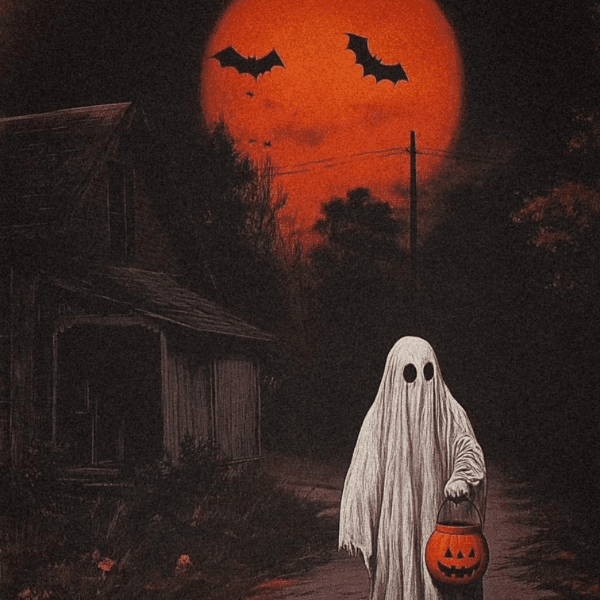
October may be the queen of spookiness today — the month of black cats, flickering candles, and pumpkin spells — but our ancestors had their own ghostly seasons long before Halloween existed.
Back then, the veil between worlds didn’t wait for the 31st to thin. It happened often, according to the stars, the gods, and the dangerous rhythm of time itself.
When Fall is not Spooky
The idea of a full month dedicated to all things eerie is actually quite new. The ancient Romans, for instance, had their own version of a spooky month — and it wasn’t October.
It was February.
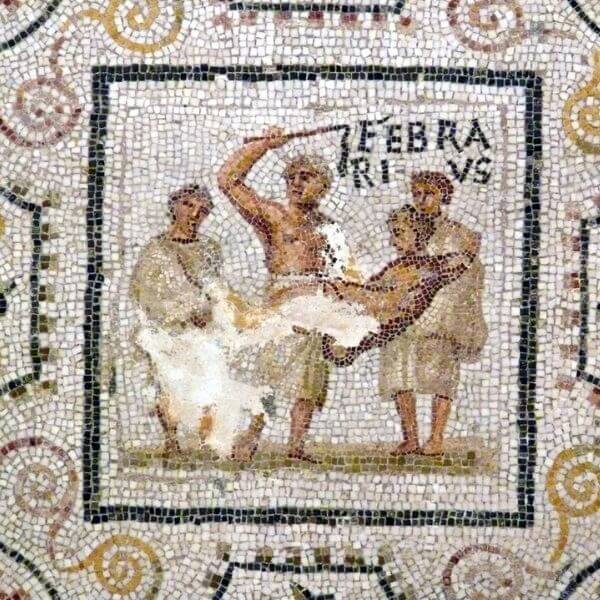
For them, February felt off. It was short, cold, and awkwardly placed at the end of the calendar. Even the Romans thought something wasn’t quite right about it. So naturally, it became the season of purification, appeasement, and exorcising bad vibes.
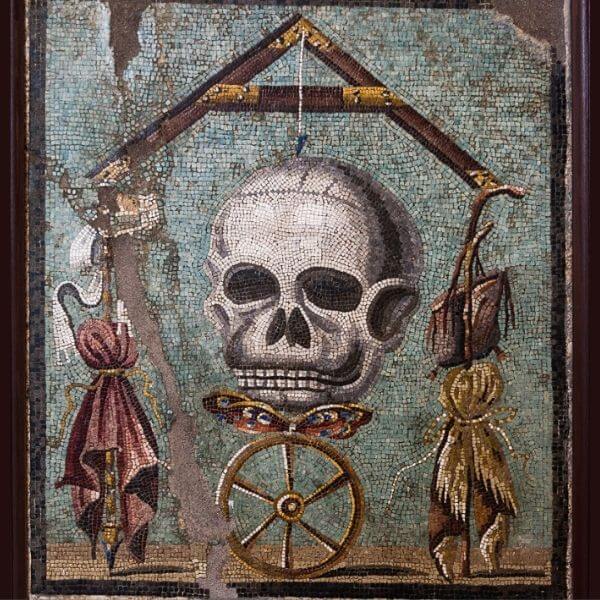
During Februa, an ancient cleansing festival, Romans performed rites meant to wash away the spiritual residue of the year before. They believed purification was essential before stepping into the new cycle of Martius (March), the month of war and renewal. Shrines were cleansed, offerings were burned, and people adorned themselves with strips of goat hide — all to make peace with unseen forces.
The name “February” itself comes from februare, meaning to purify. It was less about ghosts and more about ensuring those ghosts stayed quiet.
So, for the Romans, the spooky month wasn’t a celebration — it was damage control.
The Greeks and the Fifth Day Curse
If the Romans feared months, the Greeks feared days.
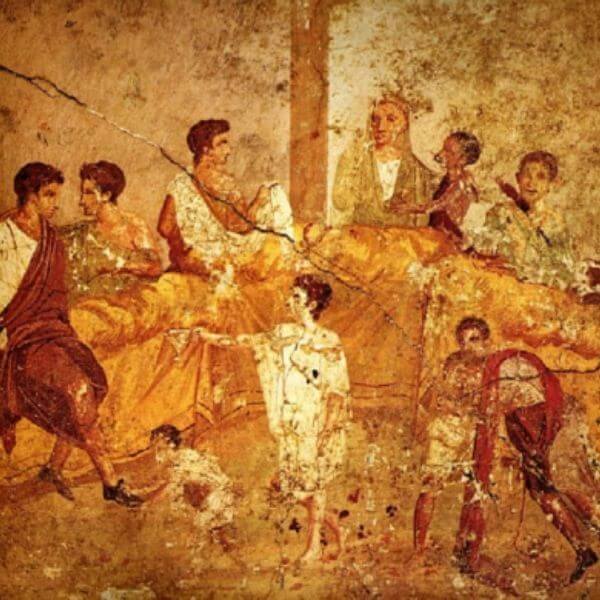
According to the poet Hesiod, every month carried its own web of luck and doom. In his Works and Days — a sort of ancient farmer’s almanac of superstition — he warns against starting anything important on the fifth day. Why? Because it was the birthday of Horkos, the god of oaths and vengeance, son of Eris, goddess of discord.
Not exactly family you’d want to offend.
To start a journey, forge a deal, or even shear sheep on such a day was tempting fate. These “bad days” were sprinkled across the Greek calendar, lurking like little curses hidden in plain sight. Ancient life, it turns out, had its own version of Friday the 13th — just multiplied by twelve.
The Egyptian Book of Unlucky Days
Further south, the Ancient Egyptians elevated unlucky days to an art form. Their calendars marked dozens of days as “unlucky”, carefully annotated in papyri like the Cairo Calendar, which listed favorable and unfavorable dates alongside mythological backstories.

For the Egyptians, the cosmic weather mattered as much as the earthly one.
A day’s fortune could depend on a god’s mood, a celestial alignment, or even a tragic myth. For instance, days associated with the chaos god Seth were particularly dreaded — his birthday was considered catastrophically bad. No contracts, no travel, no new beginnings.
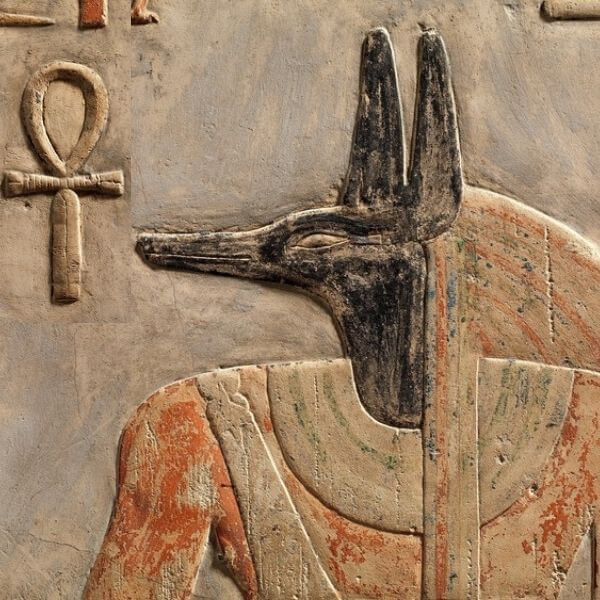
Other dates, however, carried mixed omens: born on the right day, and you’d live long and prosper; born on the wrong one, you might meet a crocodile before your time.
According to one horoscope from the period of the Pharaohs:
“He who is born on the 10th day of the 4th month of Akhet will die of old age, not of accident.”
A good day, in other words — relatively speaking.
Calendars of Chaos
Across civilizations, this obsession with marking time wasn’t about paranoia — it was about control.
Time, to the ancient world, was alive. It breathed, shifted, and sometimes turned against you. By mapping out unlucky days, humans could negotiate with fate, build rituals to soften the blow, and — if lucky — survive another year without angering the gods.
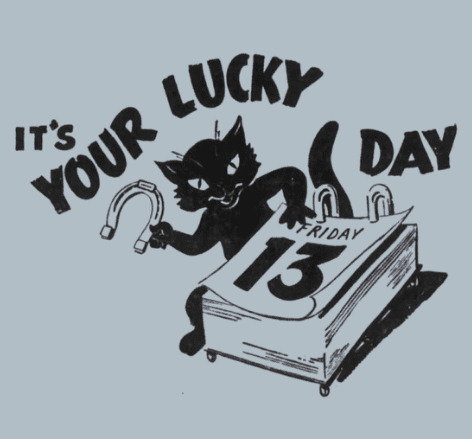
The Babylonians, too, filled their months with “evil days,” often tied to the movements of planets or eclipses. Even in medieval Europe, astrologers inherited this ancient superstition, blending pagan calendars with Christian saints’ days — and from that mix, centuries later, came our modern “spooky season.”
So when October rolls in and black cats cross your path, remember: this isn’t new.
We’re just carrying on the oldest human tradition there is — naming our fears and dancing with them.
From Ancient Omens to Modern Magic
Our ancestors didn’t have horror movies, haunted houses, or pumpkin spice, but they had the same sense that the world could bend toward mystery at any moment.
A flicker of misfortune here, a strange alignment there — and suddenly, the ordinary became uncanny.
Today, we may call it Halloween.
They called it survival.

Coventum invites you to honor the season like the ancients did — with intention, with ritual, and with style.
Explore our Spooky Collection inspired by myth, omen, and shadow.
Because the magic of time is eternal — and it never really stops haunting us. 🕯️