What do you think is the oldest sign of human civilization? Stone tools? Spears? Arrowheads? Clay pots?
Museums have trained us to answer that way. We walk through halls lined with weapons and hunting artifacts and assume that these inventions built the world. But anthropologist Margaret Mead gave a very different answer to that question. And once you hear it, you can’t quite unhear it.
The Story We Were Told
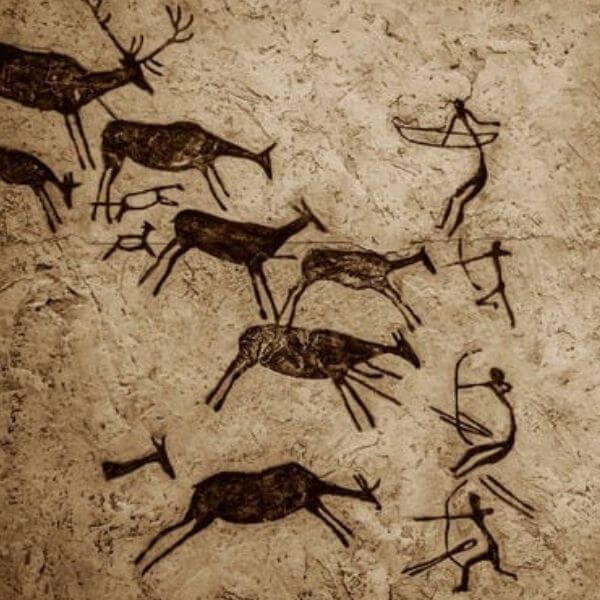
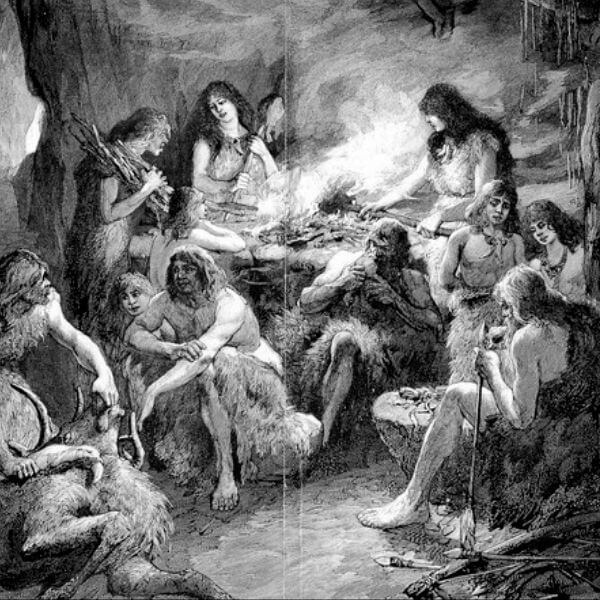
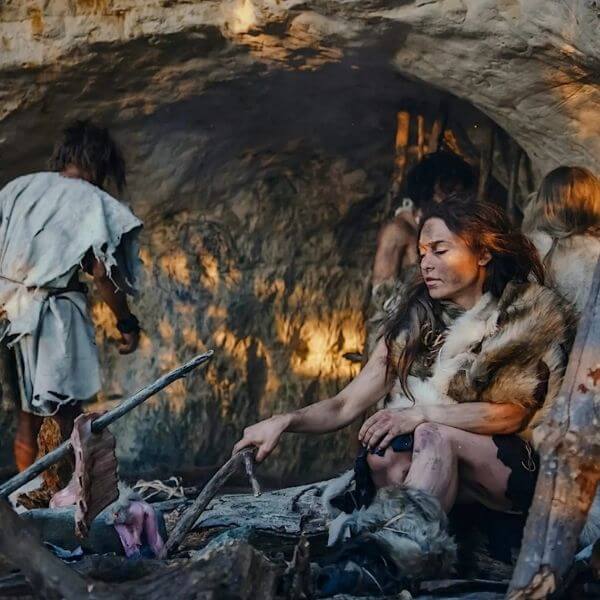
When we imagine the Stone Age, a familiar image appears. Women gathering fruit and herbs inside the cave, caring for children and elders, cooking. Men outside—strong, brave, hunting, fighting, protecting.
For a long time, this male hunter archetype carried civilization on its shoulders. Women, meanwhile, were cast as biological side characters—present mainly to reproduce. Not as strong or brave. Not as central. The applause belonged to the upright man with a spear.
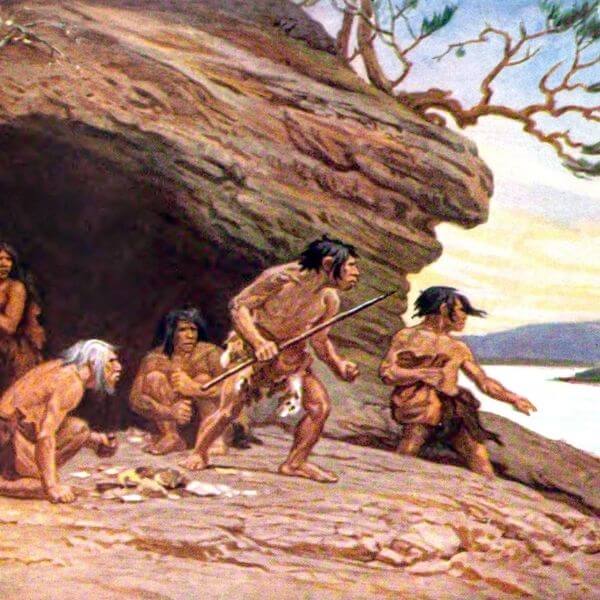
Reading this now, it sounds absurd. But for generations, we accepted this narrative as scientific truth. Why? Because it was written by men.
Who Wrote Prehistory?
The earliest archaeological and anthropological research was conducted almost entirely by men. Not because women lacked curiosity or intelligence, but because universities did not admit them. In the 19th century, women were largely barred from higher education. Society expected them to marry well and produce children. Their “education” often stopped at piano lessons or embroidery.
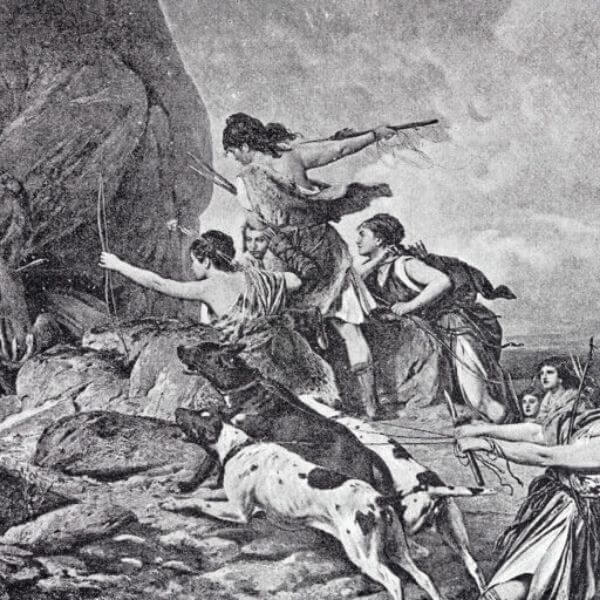
So when male scholars of that era examined ancient remains, they saw reflections of their own world. They projected contemporary gender hierarchies backward into prehistory. The result? A version of human history that normalized inequality and framed it as natural order.
It wasn’t just a story about the past. It quietly justified the present and we absorbed it. Many of us still do.
What the Bones Actually Say
However, modern archaeology tells a more complicated story. Prehistoric gender dynamics were not nearly as simple as the 19th century imagined. In fact, they look nothing like Victorian society.
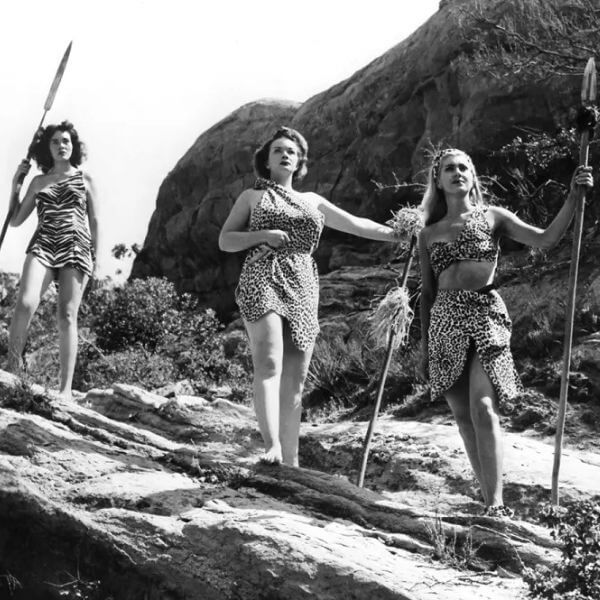
At sites like Çatalhöyük in Anatolia and Abri Pataud in France, skeletal remains show no sharp division in physical labor between men and women. Bone density, muscle attachment markers, and injury patterns suggest that women performed physically demanding tasks—sometimes comparable to men. Evidence increasingly indicates that women participated in hunting rituals and possibly in warfare.
Survival in the Paleolithic era required the effort of the entire group. Communities could not afford rigid gendered specialization the way later agrarian or industrial societies could.
In that sense, the people we confidently label “primitive” might have built more equal systems than the civilizations that followed. So perhaps the real question isn’t who was primitive — but when we became so.
The Grandmother Hypothesis
For a long time, mainstream narratives claimed that civilization advanced through tools and warfare—through inventions created by men who fought and built. But another theory offers a different explanation: the Grandmother Hypothesis.
This hypothesis suggests that human longevity and social complexity expanded not because of weapons, but because of caregiving. Post-reproductive women—grandmothers—played a crucial evolutionary role. By helping raise grandchildren, sharing food, and passing down knowledge, they increased the survival rate of younger generations.
Civilization did not persist because someone invented a sharper spear. It endured because someone handed down.
Elder women transmitted stories, remedies, plant knowledge, food preparation techniques, ancestral wisdom, rituals, and moral codes. They sustained intergenerational continuity, preserved mythologies that bound communities together and cultivated belonging.
What makes humans uniquely human is not brute strength—it is collective memory. And collective memory requires care.
Care as Civilization
When we describe early societies as “primitive,” we often assume hierarchy and domination came first. But the archaeological record suggests something more relational. Human survival depended on cooperation. On shared labor and care.
For perhaps the first and only time in history, women may have occupied a more visibly equal structural position in society. What followed—agricultural property systems, inheritance laws, militarization—gradually reshaped that balance.
The narrative shifted. Women became secondary. Their value narrowed to reproduction. But evolution tells a more radical story: civilization survived because communities protected the vulnerable.
Which brings us back to Margaret Mead’s answer.
The First Sign of Civilization
When asked what marked the beginning of civilization, Mead did not mention a tool. She mentioned a healed femur.
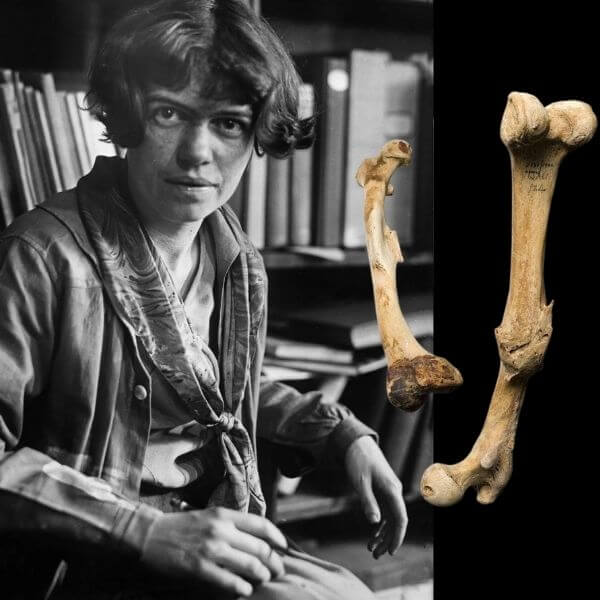
In the animal world, a broken femur means death. An individual with a fractured thigh bone cannot hunt or flee predators. Survival becomes impossible. Yet, a healed femur tells a different story.
It means someone broke their leg—and someone else stayed. Someone protected them, fed them, waited for them to recover. It means care overrode efficiency.
That is civilization. Not the weapon or the conquest. But care.