Through the ages, women’s suffering often rang louder than their voices. And in certain moments, those echoes seemed to take form—shaping healers with a darker touch, real life witches! This figure was not born of folklore alone but of the fears sown by cruel men and unbearable husbands. After all, a witch never appears before the blameless.
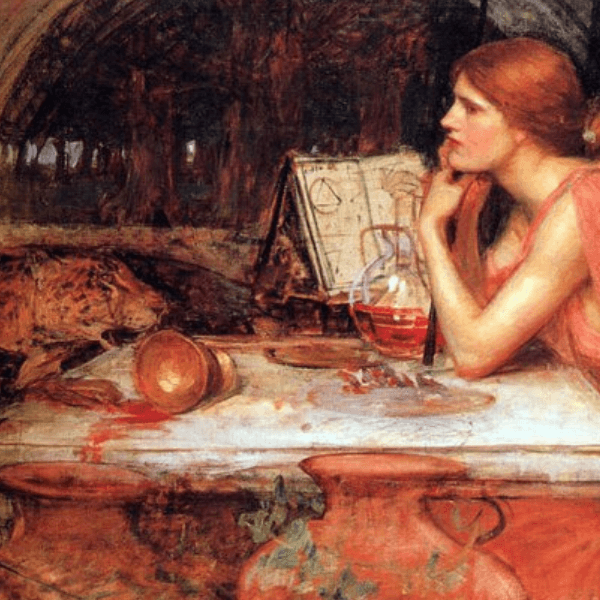
Once upon a time, when divorce did not exist, there were guardian witches who knew when a remedy must turn into a curse. Perhaps the truest spell is a quiet reminder: respect women, and count your blessings that the witches remain only in stories.
But if you’re ready, let’s lift the veil—because history has known them before.
Giulia Tofana: The Sephora of Death
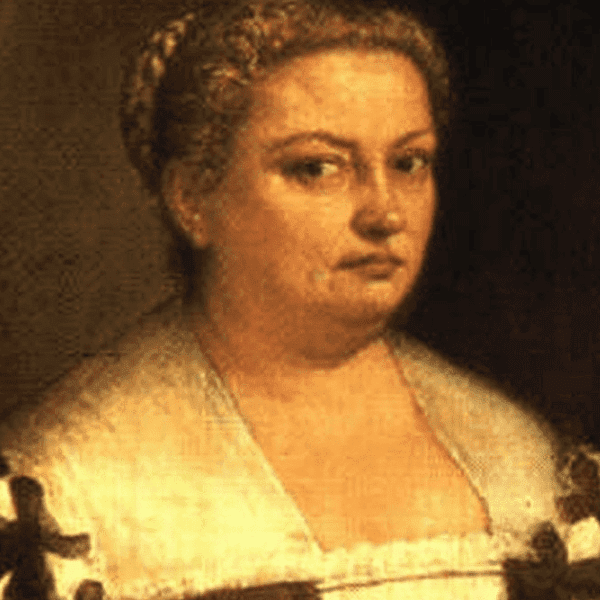
Before divorce lawyers, women in 1600s Italy had Giulia Tofana. She created Aqua Tofana, a tasteless, odorless poison disguised as face cream or holy water. The formula was simple—arsenic, lead, and atropa belladonna. It was basically a lethal skincare routine.
Her clientele? Women trapped in violent, loveless marriages. Over 600 men allegedly died before the Church caught on. Legend says Giulia instructed her “customers” to add the drops gradually so no one suspected foul play. Some even claimed she was protected for years by priests who quietly admired her cause.
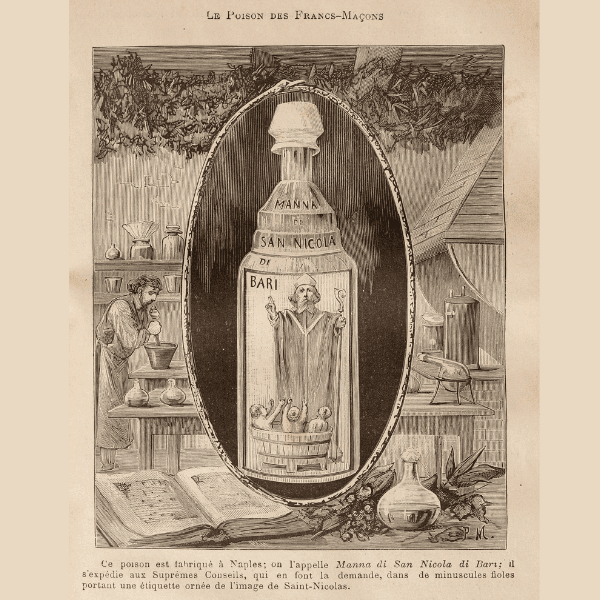
Giulia’s cosmetics brand was just a front; her real business was freedom. In a world where women had no rights, Aqua Tofana was both liberation and damnation bottled together. Truly, a witch whose remedy was both cure and curse.
Baba Anujka: Serbia’s Hundred-Year Witch
Baba Anujka lived between the 1830s and 1930s, reaching the mythical age of 100. That longevity alone can make her a witch. But her real fame came from running a rural poison shop in Serbia. She sold “love potions” to desperate women. Ingredients? Mostly arsenic and herbs, served with a knowing smile.
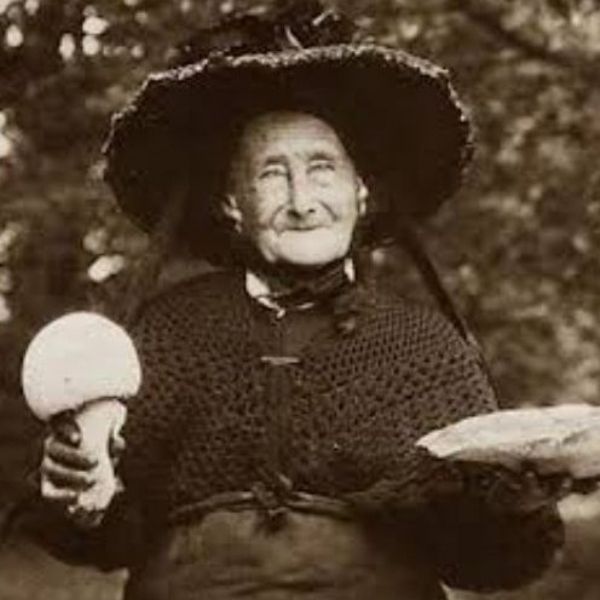
Unlike Giulia, Anujka was less hidden—she became a local legend, known as the “Witch of Vladimirovac.” Villagers claimed she could curse an entire household with a vial, yet people still lined up for her remedies. Estimates say she helped dispose of over 50 men, though whispers doubled that number.
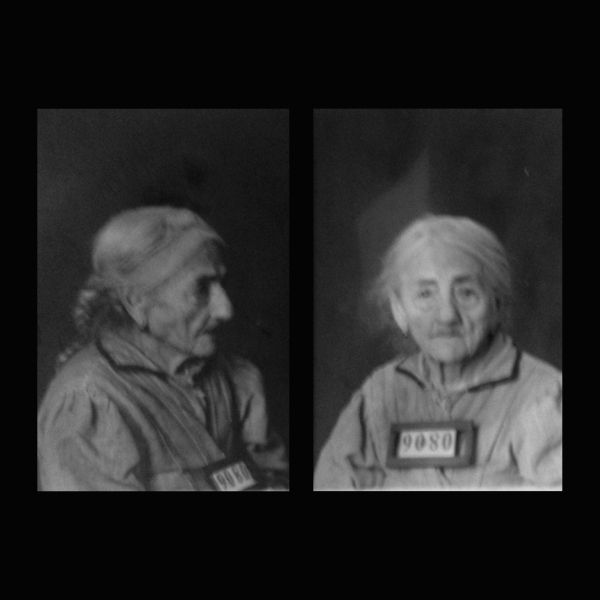
Her poisons were often mixed into brandy, making the final sip of an abusive husband taste just like home. Living a full century while orchestrating such a grim enterprise feels almost supernatural. Truly, Baba Anujka hadn’t just found the secret to long life, but to a happy marriage and was a reminder that some witches don’t burn—they endure.
Locusta of Gaul: Rome’s First Poison Professor
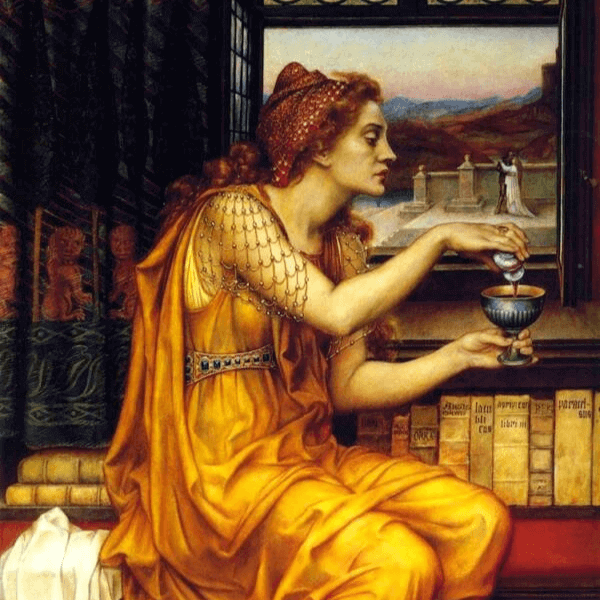
Locusta was less a liberator and more an artisan of death. A professional poisoner in ancient Rome, she became infamous under Emperor Nero, who hired her to dispatch rivals—including his own stepbrother. She perfected her craft to such a degree that Nero gave her estates, students, and protection.
Locusta reportedly tested her mixtures on animals, prisoners, and sometimes unlucky “volunteers.” Soon she was running what could only be described as a poison academy, teaching others the art of discreet murder.
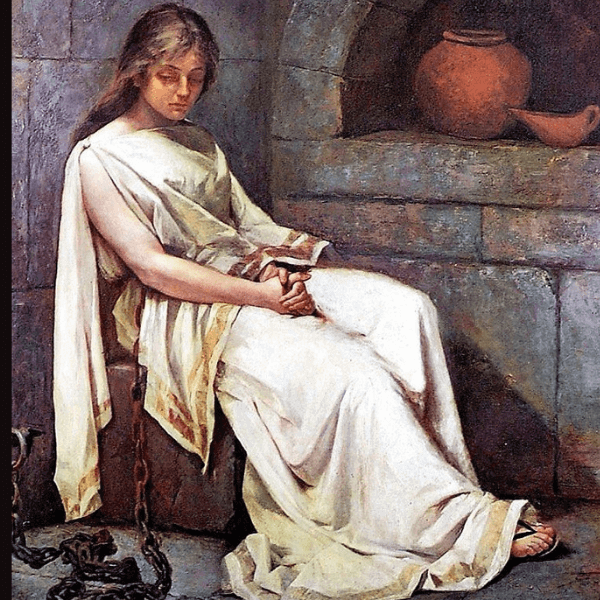
But Rome’s love for spectacle has limits. Ultimately, she was executed—simply because Rome couldn’t handle girl power with a deadly recipe. Even in death, her legend lingered: the female poisoner in ancient Rome, feared and despised not because she killed, but because she dared to master knowledge men thought belonged to them.
The Angel Makers of Nagyrev: Hungary’s Poisonous Sisterhood
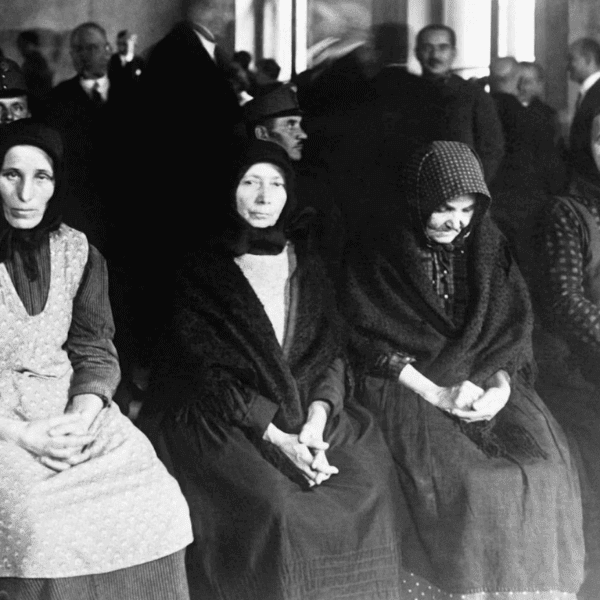
In the 1920s, a group of Hungarian women led by midwife Zsuzsanna Fazekas began quietly unaliving abusive husbands. Their secret weapon? Arsenic extracted from flypaper. Simple. Efficient. Deadly. Soon, women across the village used the mixture to rid themselves of cruel or drunken husbands.
The “Angel Makers,” as they became known, turned Nagyrev into a widow’s town. Reports suggest up to 300 men were poisoned. Strangely enough, historians note that after the killings began, surviving husbands became more considerate—fear is its own form of reform.
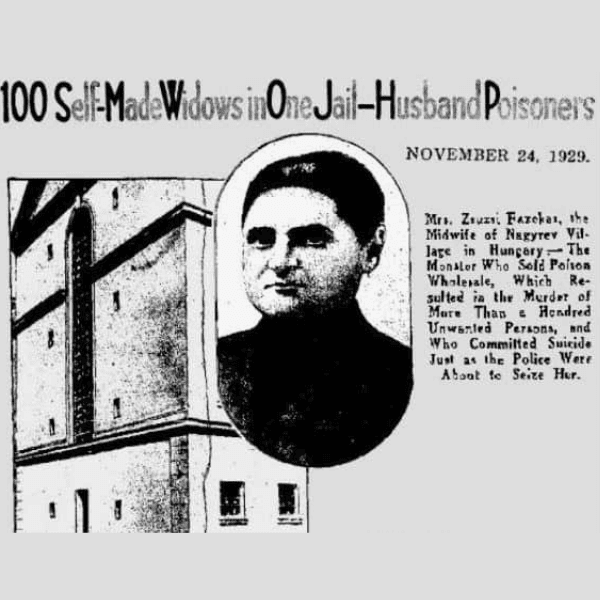
It was, in its own way, a grim sisterhood of survival. What began as whispers among desperate wives turned into one of the largest mass poisonings in history. If witches gather in covens, this was theirs.
Witches, Angels, or Survivors?
From deadly nightshade berries hidden in creams to flypaper arsenic brewed in village kitchens, these women were not fairy-tale witches but flesh-and-blood figures who lived where remedies ended and curses began.
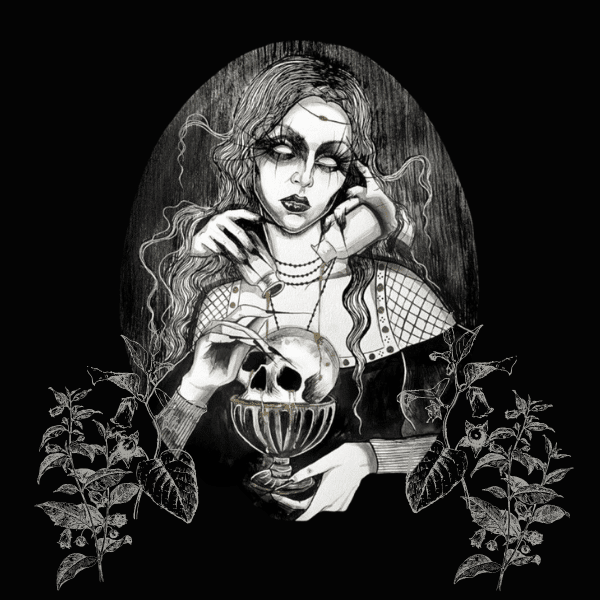
They were real life witches—both feared and sought after. They embodied the paradox of women in history: wounded healers turned executioners, protectors turned poisoners.
And maybe their true spell is this: a reminder that when women are denied freedom, they will always find their own form of justice. Respect women, and count your blessings that these guardian witches remain confined to history books. Because should they ever return, their vengeance would not be folklore—it would be fate.